THE ADVENTURE COLLECTIVE® · Independent discovery and booking for outdoor travel

Ride a modern pilgrimage across Rome’s Seven Churches on a guided Vespa tour. This three- to four-hour loop stitches basilicas, narrow lanes and piazzas into a compact cultural and motorized adventure.
Ride a modern pilgrimage across Rome’s Seven Churches on a guided Vespa tour. This three- to four-hour loop stitches basilicas, narrow lanes and piazzas into a compact cultural and motorized adventure.
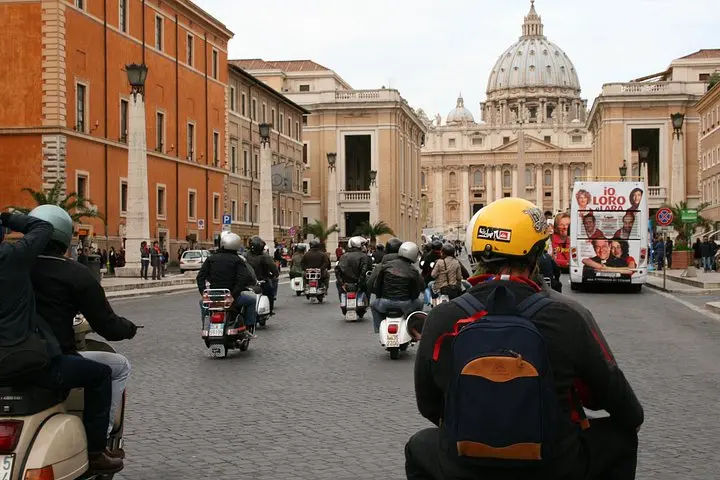
The engine clicks to life and the cobblestones answer, carrying you past orange trees and under low-arched facades as Rome’s basilicas come into view. On a three- to four-hour Vespa circuit of the Seven Churches you ride a modern pilgrimage route: tight streets open to broad piazzas, ancient brick and travertine leaning into one another, and the Tiber nudges you toward quieter neighborhoods between stops.
Verified experiences and guided adventures in the surrounding area.
Operated by Eco Move Rent - Vespa Tours · Rome, Lazio
The engine clicks to life and the cobblestones answer, carrying you past orange trees and under low-arched facades as Rome’s basilicas come into view. On a three- to four-hour Vespa circuit of the Seven Churches you ride a modern pilgrimage route: tight streets open to broad piazzas, ancient brick and travertine leaning into one another, and the Tiber nudges you toward quieter neighborhoods between stops.
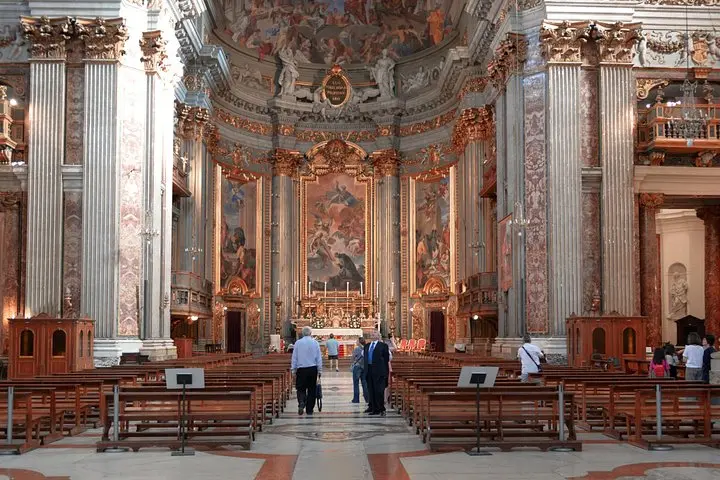
The Seven Churches itinerary owes much to the devotional routes of the Renaissance and figures like St. Philip Neri who popularized visiting multiple basilicas in a single day. Geologically, the route traverses layers of Rome’s history—tufa and travertine from quarrying, brickwork from Imperial repairs, and baroque facades that mask earlier medieval bones. Culturally the tour threads sacred art, liturgical spaces and small parish rituals into an urban rhythm that still feels lived-in.
Expect a mix of surface types: cobbles, narrow asphalt streets and occasional tram tracks. Stops are brief but rich—Basilica San Giovanni, Santa Maria Maggiore and Santa Croce in Gerusalemme among them—so you’ll balance riding time with quick interior visits. Guides typically handle navigation and local context; riders should be ready for city traffic, quick parking maneuvers, and respectful behavior inside churches.
Practical tips: bring a helmet, dress modestly for church interiors, keep water on hand, and schedule the tour in morning or late afternoon to dodge the hottest hours. This is a blend of sightseeing and light motorized adventure—fast enough to cover ground, slow enough to take in Rome’s layered history.
Most operators require a valid driver's license; check the listing—automatic 125cc Vespas usually require only a standard car license in many EU countries.
Short interior visits are included at some stops but full museum admissions or special-access areas may require separate fees.
Operators often proceed in light rain with appropriate gear; cancellation and refund policies vary, so confirm before booking.
Yes—tours are designed for riders of basic skill, but participants must be comfortable handling a scooter in city traffic and on cobbles.
Eco Move Rent - Vespa Tours operates guided outdoor trips and adventures with an emphasis on safety, stewardship, and memorable experiences.
The engine clicks to life and the cobblestones answer, carrying you past orange trees and under low-arched facades as Rome’s basilicas come into view. On a three- to four-hour Vespa circuit of the Seven Churches you ride a modern pilgrimage route: tight streets open to broad piazzas, ancient brick and travertine leaning into one another, and the Tiber nudges you toward quieter neighborhoods between stops.
The engine clicks to life and the cobblestones answer, carrying you past orange trees and under low-arched facades as Rome’s basilicas come into view. On a three- to four-hour Vespa circuit of the Seven Churches you ride a modern pilgrimage route: tight streets open to broad piazzas, ancient brick and travertine leaning into one another, and the Tiber nudges you toward quieter neighborhoods between stops.
The Seven Churches itinerary owes much to the devotional routes of the Renaissance and figures like St. Philip Neri who popularized visiting multiple basilicas in a single day. Geologically, the route traverses layers of Rome’s history—tufa and travertine from quarrying, brickwork from Imperial repairs, and baroque facades that mask earlier medieval bones. Culturally the tour threads sacred art, liturgical spaces and small parish rituals into an urban rhythm that still feels lived-in.
Expect a mix of surface types: cobbles, narrow asphalt streets and occasional tram tracks. Stops are brief but rich—Basilica San Giovanni, Santa Maria Maggiore and Santa Croce in Gerusalemme among them—so you’ll balance riding time with quick interior visits. Guides typically handle navigation and local context; riders should be ready for city traffic, quick parking maneuvers, and respectful behavior inside churches.
Practical tips: bring a helmet, dress modestly for church interiors, keep water on hand, and schedule the tour in morning or late afternoon to dodge the hottest hours. This is a blend of sightseeing and light motorized adventure—fast enough to cover ground, slow enough to take in Rome’s layered history.