THE ADVENTURE COLLECTIVE® · Independent discovery and booking for outdoor travel

A private day trip from Reykjavík to Heimaey that combines puffin-watching, a hike up Eldfell volcano, and visits to Elephant Rock and the island’s beluga sanctuary. Perfect for travelers who want wildlife, geology, and local history in one memorable day.
A private day trip from Reykjavík to Heimaey that combines puffin-watching, a hike up Eldfell volcano, and visits to Elephant Rock and the island’s beluga sanctuary. Perfect for travelers who want wildlife, geology, and local history in one memorable day.
The morning ferry cuts a pale line across the North Atlantic as Reykjavík shrinks into gray water and cloud. On the approach to Heimaey, cliffs erupt from the sea like stacked pages of basalt; colonies of puffins pepper the ledges, bobbing like orange-beaked sentries. You step off the boat and the island breathes — wind pushing sea-scented air across volcanic slopes, gulls arguing over a catch, and a guide who knows which coves hold belugas and which crags give the best view of Elephant Rock.
Verified experiences and guided adventures in the surrounding area.
Operated by Iceland Luxury Photography Tour · Vestmannaeyjar, South Iceland
The morning ferry cuts a pale line across the North Atlantic as Reykjavík shrinks into gray water and cloud. On the approach to Heimaey, cliffs erupt from the sea like stacked pages of basalt; colonies of puffins pepper the ledges, bobbing like orange-beaked sentries. You step off the boat and the island breathes — wind pushing sea-scented air across volcanic slopes, gulls arguing over a catch, and a guide who knows which coves hold belugas and which crags give the best view of Elephant Rock.
Heimaey is a place that reads its history in stone. In 1973 Eldfell — “Fire Mountain” — erupted without warning, forcing the town’s evacuation and then rebuilding. The fresh-turned lava fields are still readable: black ridges, porous crusts, and the red scars of flows that rewrote maps and livelihoods. Geology and culture here are entwined — fishers rebuilt wharves, families returned, and the island developed a cautious partnership with its restless ground.
The coastline is sculpted basalt, columns folded into sea arches and pinnacles that have become icons: Halldórsskora, or Elephant Rock, dips its basalt trunk toward the waves as if testing the tide. In Klettsvík Bay the island’s conservation story takes center stage with the world’s first open-sea beluga sanctuary; here rescued whales are returned to an environment closer to their native range while researchers monitor their progress. Stafkirkjan, a Norwegian-style stave church near the harbor, offers a quieter counterpoint — small timbered lines holding old building techniques against salt and wind.
On a private day tour you move at your pace: a boat cruise to study seabird cliffs, a hike up Eldfell for a 360-degree sweep of the archipelago, and a visit to the sanctuary when weather allows. The rhythm is practical — warm layers, steady footwear, and patience for sea conditions that change by the hour.
Plan for 12-hour logistics: ferries and timing matter, so arrive with waterproof outerwear and a camera battery charged. Respect wildlife — puffins are bold but nesting birds are vulnerable, and the beluga sanctuary operates with strict viewing protocols. Bring binoculars for cliffs and a sense of curiosity for local stories: how a town fought lava with seawater, how a harbor rebuilt itself, and how an island keeps one foot in the Atlantic and the other on still-warm lava.
This is a day that balances spectacle with context: seabirds daring the wind, a volcano’s quiet menace, and an island community that turned catastrophe into a living classroom. For travelers who want wildlife, geology, and human resilience in one long, salt-swept day, Heimaey delivers.
Yes — the tour includes ferry tickets as part of the transportation amenities, but confirm departure time and meeting point in Reykjavík.
Late spring through summer (May–August) is prime puffin season when birds are nesting on sea cliffs.
Visits to the beluga sanctuary include viewing from designated areas; close encounters are controlled to protect the animals and depend on weather and sanctuary schedules.
The hike to Eldfell is moderate: roughly a 30–60 minute ascent with loose volcanic scree; steady shoes and a reasonable fitness level are recommended.
The tour provider may cancel for bad weather—full refunds are available if you cancel at least 24 hours before departure; check supplier policies for last-minute cancellations.
Yes—it's listed as suitable for all physical fitness levels, but those with cardiovascular issues or severe motion sickness should take precautions.
Iceland Luxury Photography Tour operates guided outdoor trips and adventures with an emphasis on safety, stewardship, and memorable experiences.
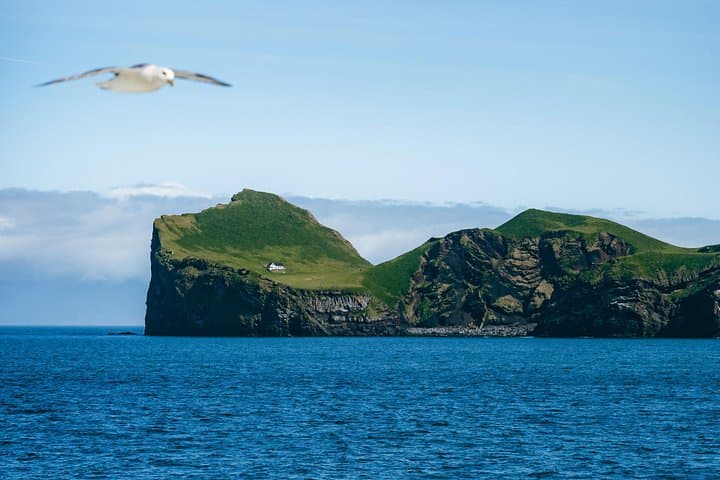


The morning ferry cuts a pale line across the North Atlantic as Reykjavík shrinks into gray water and cloud. On the approach to Heimaey, cliffs erupt from the sea like stacked pages of basalt; colonies of puffins pepper the ledges, bobbing like orange-beaked sentries. You step off the boat and the island breathes — wind pushing sea-scented air across volcanic slopes, gulls arguing over a catch, and a guide who knows which coves hold belugas and which crags give the best view of Elephant Rock.
The morning ferry cuts a pale line across the North Atlantic as Reykjavík shrinks into gray water and cloud. On the approach to Heimaey, cliffs erupt from the sea like stacked pages of basalt; colonies of puffins pepper the ledges, bobbing like orange-beaked sentries. You step off the boat and the island breathes — wind pushing sea-scented air across volcanic slopes, gulls arguing over a catch, and a guide who knows which coves hold belugas and which crags give the best view of Elephant Rock.
Heimaey is a place that reads its history in stone. In 1973 Eldfell — “Fire Mountain” — erupted without warning, forcing the town’s evacuation and then rebuilding. The fresh-turned lava fields are still readable: black ridges, porous crusts, and the red scars of flows that rewrote maps and livelihoods. Geology and culture here are entwined — fishers rebuilt wharves, families returned, and the island developed a cautious partnership with its restless ground.
The coastline is sculpted basalt, columns folded into sea arches and pinnacles that have become icons: Halldórsskora, or Elephant Rock, dips its basalt trunk toward the waves as if testing the tide. In Klettsvík Bay the island’s conservation story takes center stage with the world’s first open-sea beluga sanctuary; here rescued whales are returned to an environment closer to their native range while researchers monitor their progress. Stafkirkjan, a Norwegian-style stave church near the harbor, offers a quieter counterpoint — small timbered lines holding old building techniques against salt and wind.
On a private day tour you move at your pace: a boat cruise to study seabird cliffs, a hike up Eldfell for a 360-degree sweep of the archipelago, and a visit to the sanctuary when weather allows. The rhythm is practical — warm layers, steady footwear, and patience for sea conditions that change by the hour.
Plan for 12-hour logistics: ferries and timing matter, so arrive with waterproof outerwear and a camera battery charged. Respect wildlife — puffins are bold but nesting birds are vulnerable, and the beluga sanctuary operates with strict viewing protocols. Bring binoculars for cliffs and a sense of curiosity for local stories: how a town fought lava with seawater, how a harbor rebuilt itself, and how an island keeps one foot in the Atlantic and the other on still-warm lava.
This is a day that balances spectacle with context: seabirds daring the wind, a volcano’s quiet menace, and an island community that turned catastrophe into a living classroom. For travelers who want wildlife, geology, and human resilience in one long, salt-swept day, Heimaey delivers.