THE ADVENTURE COLLECTIVE® · Independent discovery and booking for outdoor travel

Leave Naples for a 4–5 hour outing to Mount Vesuvius: a guided ascent, group lunch, and a walk around the active crater with panoramic views of the Bay of Naples. Expect steep, rocky trails, fumarolic steam, and vivid geological history.
Leave Naples for a 4–5 hour outing to Mount Vesuvius: a guided ascent, group lunch, and a walk around the active crater with panoramic views of the Bay of Naples. Expect steep, rocky trails, fumarolic steam, and vivid geological history.
You step off the bus and the air changes—dry, mineral-thin, threaded with faint sulfur. The path rises beneath your boots, a mix of ash and compacted lava fragments, and within 30–60 minutes of steady uphill walking you can see the crater’s rim cut against the sky. Clouds of fumarolic steam curl like a living gesture from the volcano’s throat, and the Bay of Naples unfolds below, islands and waterfronts washed in afternoon light.
Verified experiences and guided adventures in the surrounding area.
Operated by Campania Visits and Tours · Naples, Campania
You step off the bus and the air changes—dry, mineral-thin, threaded with faint sulfur. The path rises beneath your boots, a mix of ash and compacted lava fragments, and within 30–60 minutes of steady uphill walking you can see the crater’s rim cut against the sky. Clouds of fumarolic steam curl like a living gesture from the volcano’s throat, and the Bay of Naples unfolds below, islands and waterfronts washed in afternoon light.
This is Vesuvius: a stratovolcano whose 79 AD eruption buried Pompeii and Herculaneum and shaped local culture and viticulture. Geologically young and active, the cone is a patchwork of lava flows and pumice; nearby vineyards produce Lacryma Christi wine from soils fertilized by past eruptions. The national park protects fragile vegetation adapted to ash and encourages staying on hardened trails to limit erosion.
Practical guidance: the tour includes round-trip transfer from central Naples and a group lunch before the climb, so expect a 4–5 hour outing. The ascent to the crater is steep in places—roughly 400–600 m of elevation change depending on the parking point—and demands steady pacing. Bring at least 1–2 liters of water, sturdy footwear with good traction, sun protection, and a wind layer: the summit is exposed. Check weather and air-quality advisories; fumarolic activity can make the rim uncomfortable for those with respiratory sensitivity. Aim for morning or late afternoon light for cooler temperatures and better photos. Follow the guide’s instructions, remain on the path, and allow time to walk the crater rim and look back over the bay—the view is the day’s true summit reward.
After the group lunch and transfer, the uphill walk to the crater rim typically takes 30–60 minutes of steady climbing depending on pace and the starting parking area.
Guides monitor conditions; fumaroles can produce sulfurous steam but the trail around the rim is managed—any strong emissions are avoided and the guide will restrict access if unsafe.
Pickup points are central Naples locations; if your cruise timing aligns with the meeting times and you can disembark and reach the meeting location on time, participation is possible—confirm transfer details when booking.
Facilities are limited to park-area restrooms near the visitor parking and base facilities before the final ascent; expect no services on the upper trail or crater rim.
Campania Visits and Tours operates guided outdoor trips and adventures with an emphasis on safety, stewardship, and memorable experiences.
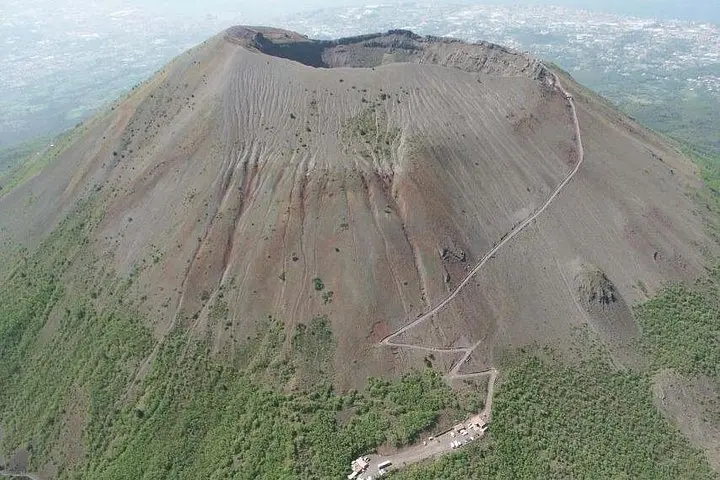
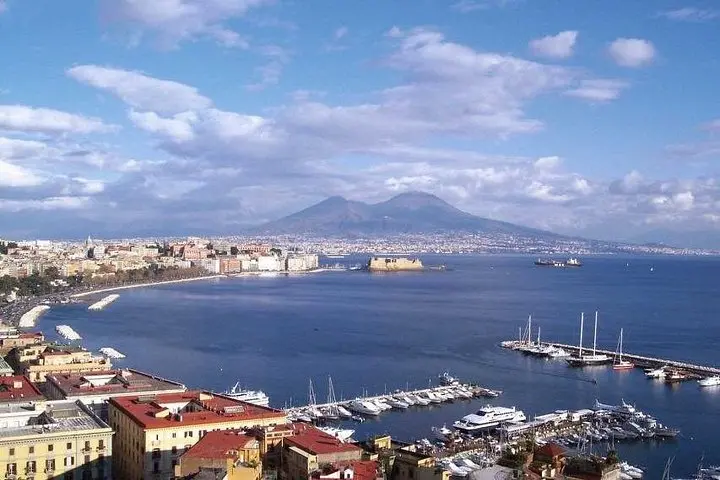
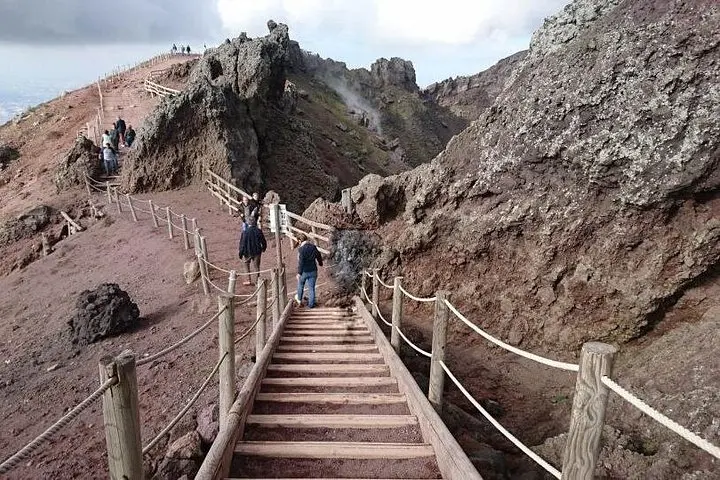
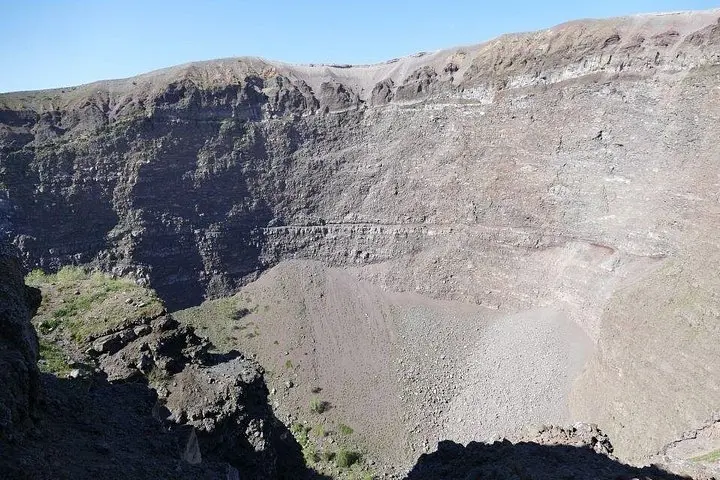
You step off the bus and the air changes—dry, mineral-thin, threaded with faint sulfur. The path rises beneath your boots, a mix of ash and compacted lava fragments, and within 30–60 minutes of steady uphill walking you can see the crater’s rim cut against the sky. Clouds of fumarolic steam curl like a living gesture from the volcano’s throat, and the Bay of Naples unfolds below, islands and waterfronts washed in afternoon light.
You step off the bus and the air changes—dry, mineral-thin, threaded with faint sulfur. The path rises beneath your boots, a mix of ash and compacted lava fragments, and within 30–60 minutes of steady uphill walking you can see the crater’s rim cut against the sky. Clouds of fumarolic steam curl like a living gesture from the volcano’s throat, and the Bay of Naples unfolds below, islands and waterfronts washed in afternoon light.
This is Vesuvius: a stratovolcano whose 79 AD eruption buried Pompeii and Herculaneum and shaped local culture and viticulture. Geologically young and active, the cone is a patchwork of lava flows and pumice; nearby vineyards produce Lacryma Christi wine from soils fertilized by past eruptions. The national park protects fragile vegetation adapted to ash and encourages staying on hardened trails to limit erosion.
Practical guidance: the tour includes round-trip transfer from central Naples and a group lunch before the climb, so expect a 4–5 hour outing. The ascent to the crater is steep in places—roughly 400–600 m of elevation change depending on the parking point—and demands steady pacing. Bring at least 1–2 liters of water, sturdy footwear with good traction, sun protection, and a wind layer: the summit is exposed. Check weather and air-quality advisories; fumarolic activity can make the rim uncomfortable for those with respiratory sensitivity. Aim for morning or late afternoon light for cooler temperatures and better photos. Follow the guide’s instructions, remain on the path, and allow time to walk the crater rim and look back over the bay—the view is the day’s true summit reward.