THE ADVENTURE COLLECTIVE® · Independent discovery and booking for outdoor travel

A compact via ferrata above a Valencian ravine, Fuente de Godalla mixes iron staples, lateral traverses and a 70 m zip line for a tight, high‑adrenaline outing. Guides provide all technical gear and the route fits into a 3–4 hour afternoon.
A compact via ferrata above a Valencian ravine, Fuente de Godalla mixes iron staples, lateral traverses and a 70 m zip line for a tight, high‑adrenaline outing. Guides provide all technical gear and the route fits into a 3–4 hour afternoon.
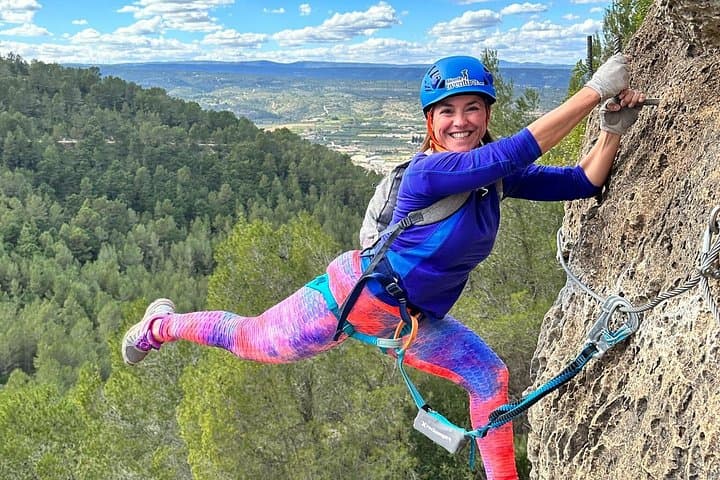
You step off a narrow switchback and the wall rises like a gray page to read: iron staples, ledges and the glint of a 70‑metre zip line spanning a sunlit ravine.
Verified experiences and guided adventures in the surrounding area.
Operated by Alicante Aventura · Enguera, Valencia
You step off a narrow switchback and the wall rises like a gray page to read: iron staples, ledges and the glint of a 70‑metre zip line spanning a sunlit ravine.
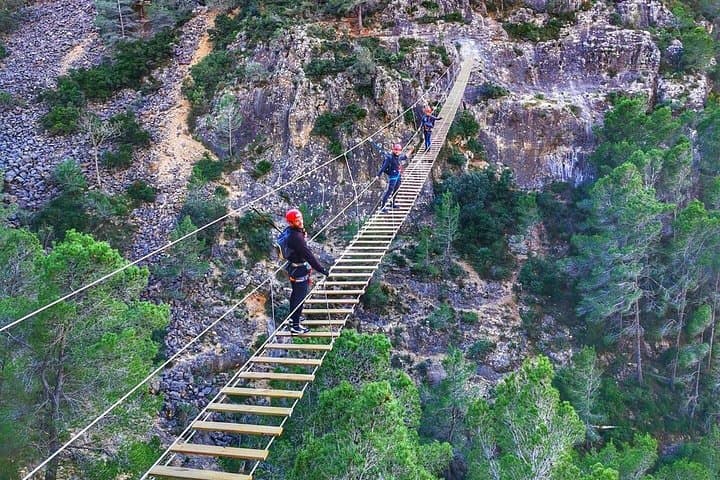
Fuente de Godalla’s via ferrata sends you up a short stone wall then around a flanking traverse that pulls at your forearms before a final vertical pitch. The route’s signature moment is the 70 m zipline that soars across the gorge; the alternative is a 25 m rappel for those who prefer ropes to flight. After the wire, expect lateral traverses, a simple plank bridge and a couple of short rappels to finish—compact but concentrated.
The cliffs around Enguera are typical of Valencia’s inland sierras: hard limestone shaped by seasonal streams and farm terraces below. The local towns carry a farming rhythm—olive groves and almond trees—and traces of medieval routes that once linked scattered hamlets.
Guides from Alicante Aventura supply helmets, harnesses and via‑ferrata dissipators and run a 3–4 hour program that moves efficiently through safety briefings, practice sections and the full route. Physical demand is moderate: you’ll need grip and comfort with exposure more than technical climbing skill. Bring sturdy, closed‑toe shoes, 1–2 liters of water, sun protection and gloves if you prefer to protect your hands on the iron.
Practical notes: the via ferrata is short but exposed—not recommended for those with serious back, heart or pregnancy concerns. Public transport options exist nearby, but a car makes timing easier. Time your visit for morning or late afternoon to avoid peak sun on the exposed rock.
No technical climbing experience is required; guides brief you on techniques and provide the necessary gear, though comfort with exposure helps.
Yes—the route offers a 25 m rappel alternative for participants who prefer not to use the zip line.
Closed‑toe hiking or approach shoes, comfortable active clothing, and layers depending on season; gloves are optional but useful.
Suitability depends on age, size and maturity; operators typically require children to meet safety and weight limits—check with the provider when booking.
Alicante Aventura operates guided outdoor trips and adventures with an emphasis on safety, stewardship, and memorable experiences.


You step off a narrow switchback and the wall rises like a gray page to read: iron staples, ledges and the glint of a 70‑metre zip line spanning a sunlit ravine.
You step off a narrow switchback and the wall rises like a gray page to read: iron staples, ledges and the glint of a 70‑metre zip line spanning a sunlit ravine.
Fuente de Godalla’s via ferrata sends you up a short stone wall then around a flanking traverse that pulls at your forearms before a final vertical pitch. The route’s signature moment is the 70 m zipline that soars across the gorge; the alternative is a 25 m rappel for those who prefer ropes to flight. After the wire, expect lateral traverses, a simple plank bridge and a couple of short rappels to finish—compact but concentrated.
The cliffs around Enguera are typical of Valencia’s inland sierras: hard limestone shaped by seasonal streams and farm terraces below. The local towns carry a farming rhythm—olive groves and almond trees—and traces of medieval routes that once linked scattered hamlets.
Guides from Alicante Aventura supply helmets, harnesses and via‑ferrata dissipators and run a 3–4 hour program that moves efficiently through safety briefings, practice sections and the full route. Physical demand is moderate: you’ll need grip and comfort with exposure more than technical climbing skill. Bring sturdy, closed‑toe shoes, 1–2 liters of water, sun protection and gloves if you prefer to protect your hands on the iron.
Practical notes: the via ferrata is short but exposed—not recommended for those with serious back, heart or pregnancy concerns. Public transport options exist nearby, but a car makes timing easier. Time your visit for morning or late afternoon to avoid peak sun on the exposed rock.