THE ADVENTURE COLLECTIVE® · Independent discovery and booking for outdoor travel

Clip into the iron rungs above El Tajo gorge and walk horizontally and vertically along limestone walls with views of Ronda’s iconic Puente Nuevo. This approachable via ferrata is a 90-minute introduction to exposed climbing without technical moves.
Clip into the iron rungs above El Tajo gorge and walk horizontally and vertically along limestone walls with views of Ronda’s iconic Puente Nuevo. This approachable via ferrata is a 90-minute introduction to exposed climbing without technical moves.
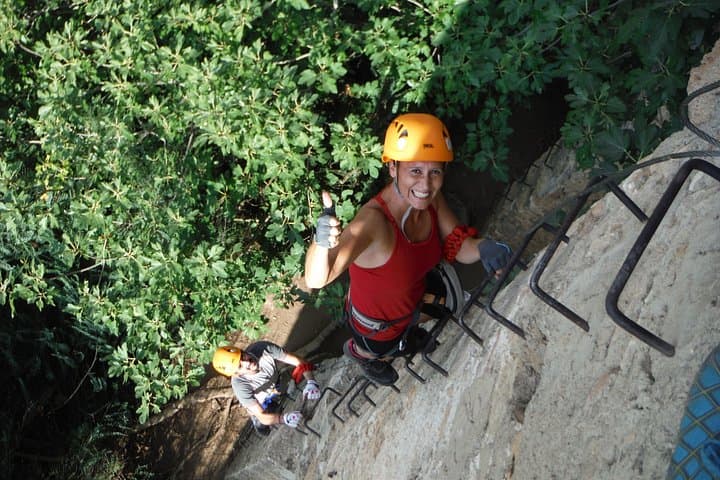
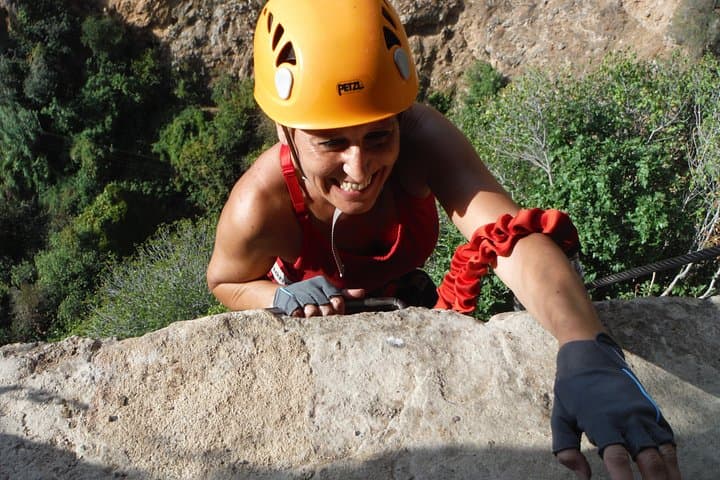
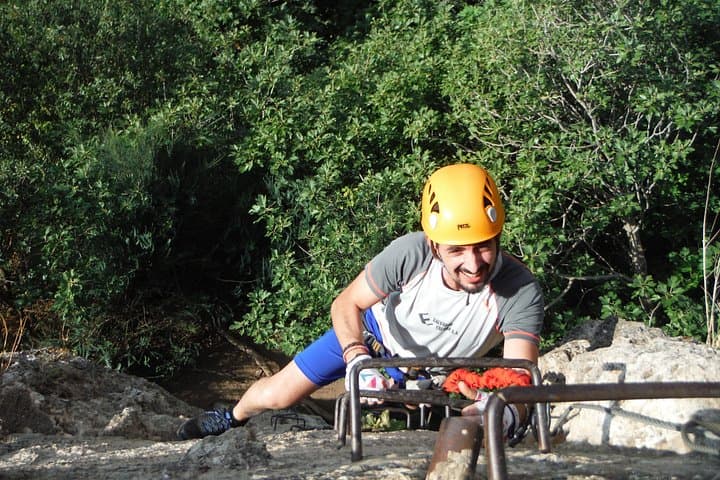
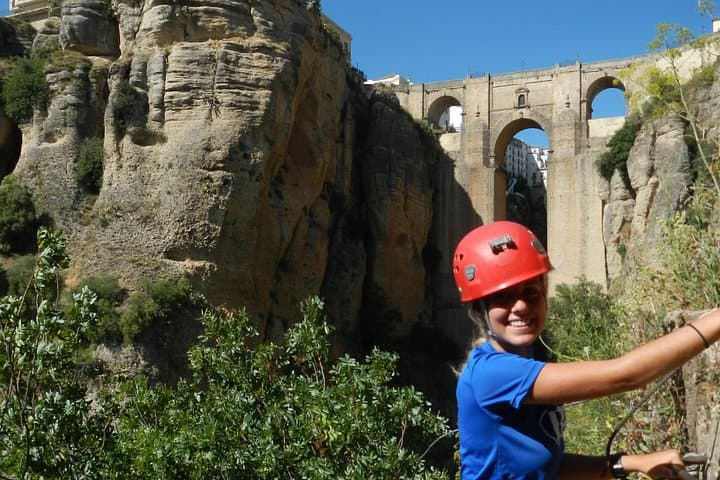
You clip in, step onto an iron rung and the gorge answers—wind threading up from the Guadalevín below, the New Bridge (Puente Nuevo) framed like an old photograph across the chasm. The Tajo de Ronda via ferrata moves along the vertical limestone face with short, exposed sections and plenty of ledges to steady yourself, so your pulse rises but your feet stay sure.
Verified experiences and guided adventures in the surrounding area.
Operated by Pangea Active Nature · Ronda, Andalusia
You clip in, step onto an iron rung and the gorge answers—wind threading up from the Guadalevín below, the New Bridge (Puente Nuevo) framed like an old photograph across the chasm. The Tajo de Ronda via ferrata moves along the vertical limestone face with short, exposed sections and plenty of ledges to steady yourself, so your pulse rises but your feet stay sure.
Ronda’s dramatic canyon was carved by the river over millennia; the Puente Nuevo that dominates the view was finished in the late 18th century and reshaped the town’s skyline. The cliffs are Jurassic limestone—solid and pocketed—giving the route reliable holds where iron steps and cables are anchored. Culturally, Ronda is a compact Andalusian town of white facades and plazas, with a long history of shepherding and early bullfighting traditions centered near the old bullring.
Practically, the route is designed as an introduction to via ferrata: no prior climbing skills required, but exposure and vertical movement are constant. The activity runs about 90 minutes; guides provide harness, helmet and lanyard. Expect midday sun in summer and cooler breezes in spring and fall; the rock can feel slick after rain, and operators cancel in bad weather.
Plan light: closed-toe approach shoes, sun protection, and a small daypack with water will keep you comfortable. Operators collect height, weight and passport details at booking—bring ID. For photographers, the bridge vistas reward a steady hand more than long lenses: keep one hand free to clip and unclasp while you shoot.
No—this via ferrata is designed as an introductory route with iron rungs and fixed safety cables; guides instruct on clipping and movement.
Operators collect height and weight at booking and advise against participation for people with serious back problems or who are pregnant; check specific limits when you book.
Most departures meet in central Ronda within easy walking distance of the Puente Nuevo; public transport and parking are available in town—confirm exact meeting details after booking.
Operators typically cancel for rain or high winds—this activity offers a full refund if canceled at least 24 hours before, and they will cancel in poor weather for safety.
Pangea Active Nature operates guided outdoor trips and adventures with an emphasis on safety, stewardship, and memorable experiences.
You clip in, step onto an iron rung and the gorge answers—wind threading up from the Guadalevín below, the New Bridge (Puente Nuevo) framed like an old photograph across the chasm. The Tajo de Ronda via ferrata moves along the vertical limestone face with short, exposed sections and plenty of ledges to steady yourself, so your pulse rises but your feet stay sure.
You clip in, step onto an iron rung and the gorge answers—wind threading up from the Guadalevín below, the New Bridge (Puente Nuevo) framed like an old photograph across the chasm. The Tajo de Ronda via ferrata moves along the vertical limestone face with short, exposed sections and plenty of ledges to steady yourself, so your pulse rises but your feet stay sure.
Ronda’s dramatic canyon was carved by the river over millennia; the Puente Nuevo that dominates the view was finished in the late 18th century and reshaped the town’s skyline. The cliffs are Jurassic limestone—solid and pocketed—giving the route reliable holds where iron steps and cables are anchored. Culturally, Ronda is a compact Andalusian town of white facades and plazas, with a long history of shepherding and early bullfighting traditions centered near the old bullring.
Practically, the route is designed as an introduction to via ferrata: no prior climbing skills required, but exposure and vertical movement are constant. The activity runs about 90 minutes; guides provide harness, helmet and lanyard. Expect midday sun in summer and cooler breezes in spring and fall; the rock can feel slick after rain, and operators cancel in bad weather.
Plan light: closed-toe approach shoes, sun protection, and a small daypack with water will keep you comfortable. Operators collect height, weight and passport details at booking—bring ID. For photographers, the bridge vistas reward a steady hand more than long lenses: keep one hand free to clip and unclasp while you shoot.