THE ADVENTURE COLLECTIVE® · Independent discovery and booking for outdoor travel

Experience exposed steel cables and footholds on full‑day guided via ferratas through the Julian Alps. This practical guide explains what to expect, how to prepare, and where the most dramatic routes sit within Triglav National Park.
Experience exposed steel cables and footholds on full‑day guided via ferratas through the Julian Alps. This practical guide explains what to expect, how to prepare, and where the most dramatic routes sit within Triglav National Park.
You clip into a steel cable and the air between ridges feels immediate: limestone walls rise, scree slopes slope away, and the valley below seems to pull at your boots.
Verified experiences and guided adventures in the surrounding area.
Operated by Kofler sport-sport agency · Mojstrana, Upper Carniola
You clip into a steel cable and the air between ridges feels immediate: limestone walls rise, scree slopes slope away, and the valley below seems to pull at your boots.
Via ferrata routes around Triglav National Park thread through sheer faces at Mojstrovka, Prisank, Škrlatica and along Mangart’s exposed ridges. These equipped climbs — fixed cables, rungs and anchors — let non-climbers move across vertical terrain with a harness and via‑ferrata set, guided step by step. Geologically, the Julian Alps are uplifted Mesozoic carbonates: craggy karst, sharp arêtes and fossil-rich slabs that tell of ancient seabeds pushed skyward by the Adriatic plate.
Culturally, the area blends Slovene mountain farming traditions with alpine rescue heritage; nearby villages like Mojstrana and Kranjska Gora grew around shepherding and timber routes. Many ferratas here date to the early 20th century or were upgraded post‑war for safety and recreation.
Expect a full‑day outing with transfers from Bled, Mojstrana or Kranjska Gora, professional guides, and group sizes kept small. Minimum age is 7; participants should have strong cardiovascular fitness and no severe fear of exposure. Guides supply route briefing and often technical kit recommendations; bring sturdy mountain boots, layered clothing and water. Plan for variable weather—mountain storms can come quickly—and allow extra time for glacier‑fed streams and scree approaches.
Practical tip: choose morning starts for calmer winds and clearer views, confirm pickup locations in advance, and be honest about experience — guides will reroute if conditions or skill levels demand it. The reward is direct: the mountains feel tangible, every clip and step revealing a new face of the Julian Alps.
No prior rock‑climbing experience is necessary, but you must be comfortable with exposure, have good balance and basic fitness; guides teach technical use of the kit.
The tour accepts children from about 7 years old, but routes vary—guides will assess suitability and may recommend gentler ferratas for young participants.
Guides typically supply helmets and may provide harnesses and via‑ferrata sets; confirm with your operator and bring properly fitting boots and gloves.
Mountain weather can close routes due to thunderstorms or slick rock; operators monitor conditions and will alter plans or offer refunds per cancellation policy.
Kofler sport-sport agency operates guided outdoor trips and adventures with an emphasis on safety, stewardship, and memorable experiences.
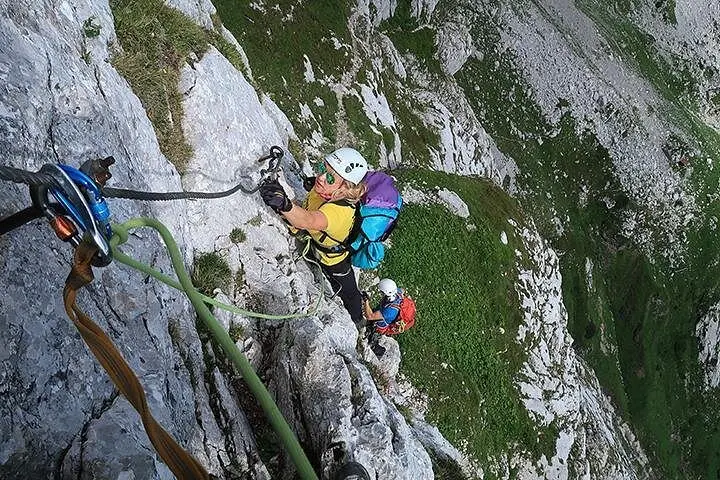
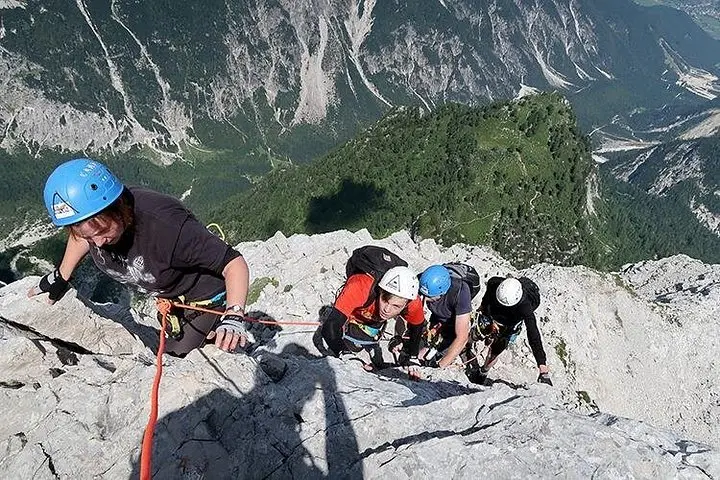
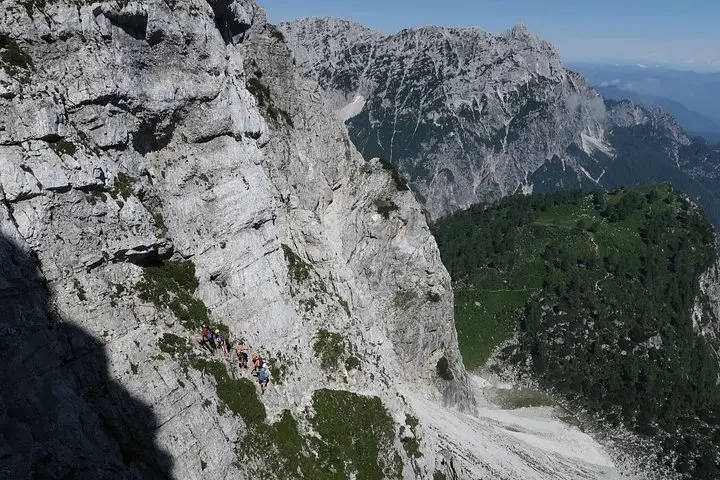
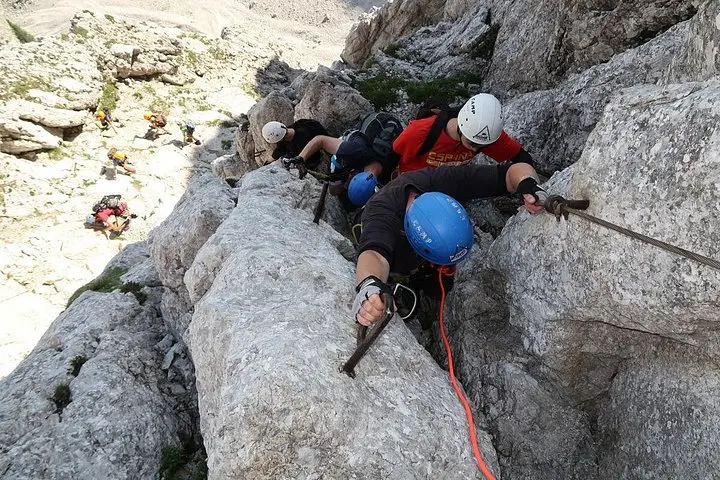
You clip into a steel cable and the air between ridges feels immediate: limestone walls rise, scree slopes slope away, and the valley below seems to pull at your boots.
You clip into a steel cable and the air between ridges feels immediate: limestone walls rise, scree slopes slope away, and the valley below seems to pull at your boots.
Via ferrata routes around Triglav National Park thread through sheer faces at Mojstrovka, Prisank, Škrlatica and along Mangart’s exposed ridges. These equipped climbs — fixed cables, rungs and anchors — let non-climbers move across vertical terrain with a harness and via‑ferrata set, guided step by step. Geologically, the Julian Alps are uplifted Mesozoic carbonates: craggy karst, sharp arêtes and fossil-rich slabs that tell of ancient seabeds pushed skyward by the Adriatic plate.
Culturally, the area blends Slovene mountain farming traditions with alpine rescue heritage; nearby villages like Mojstrana and Kranjska Gora grew around shepherding and timber routes. Many ferratas here date to the early 20th century or were upgraded post‑war for safety and recreation.
Expect a full‑day outing with transfers from Bled, Mojstrana or Kranjska Gora, professional guides, and group sizes kept small. Minimum age is 7; participants should have strong cardiovascular fitness and no severe fear of exposure. Guides supply route briefing and often technical kit recommendations; bring sturdy mountain boots, layered clothing and water. Plan for variable weather—mountain storms can come quickly—and allow extra time for glacier‑fed streams and scree approaches.
Practical tip: choose morning starts for calmer winds and clearer views, confirm pickup locations in advance, and be honest about experience — guides will reroute if conditions or skill levels demand it. The reward is direct: the mountains feel tangible, every clip and step revealing a new face of the Julian Alps.