THE ADVENTURE COLLECTIVE® · Independent discovery and booking for outdoor travel

Launch off a basalt lip, hurtle 425 meters across the Batoka Gorge and skim 120 meters above the Zambezi at speeds over 100 km/h. This one-hour zipline packs geological spectacle, history, and pure adrenaline into a neat, well-run experience at Victoria Falls.
Launch off a basalt lip, hurtle 425 meters across the Batoka Gorge and skim 120 meters above the Zambezi at speeds over 100 km/h. This one-hour zipline packs geological spectacle, history, and pure adrenaline into a neat, well-run experience at Victoria Falls.
The launch platform sits on exposed rock, wind off the Zambezi tugging at your helmet straps as you peer into the Batoka Gorge. The river below—an impatient silver ribbon—hurtles toward the Indian Ocean, and for a heartbeat the gorge seems to dare you to cross it. Then the guide counts down, the pulley bites, and you are flying: 425 meters of wire, 120 meters above the water, accelerating toward speeds of roughly 106 km/h.
Verified experiences and guided adventures in the surrounding area.
Operated by Amulonga Travel and Tours · Victoria Falls, Matabeleland North
The launch platform sits on exposed rock, wind off the Zambezi tugging at your helmet straps as you peer into the Batoka Gorge. The river below—an impatient silver ribbon—hurtles toward the Indian Ocean, and for a heartbeat the gorge seems to dare you to cross it. Then the guide counts down, the pulley bites, and you are flying: 425 meters of wire, 120 meters above the water, accelerating toward speeds of roughly 106 km/h.
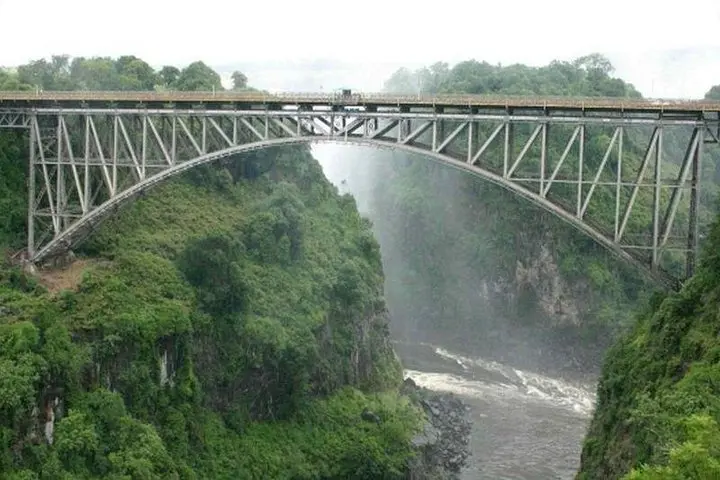
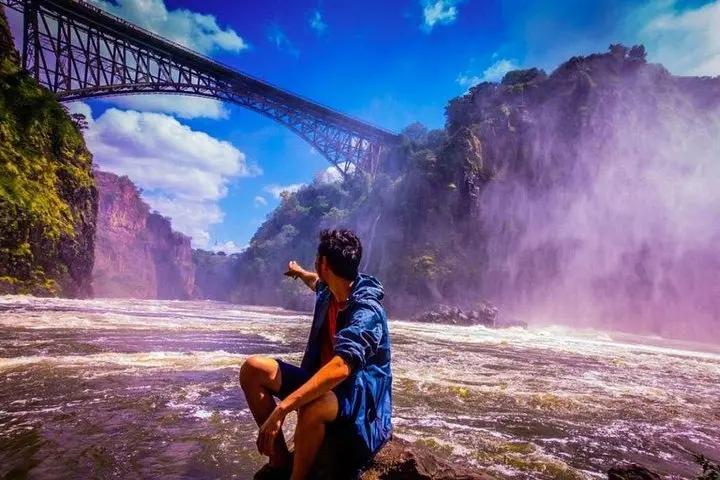
This ride isn't theatre; it's geography in motion. The Batoka Gorge is a corridor cut through hard basalt as the Zambezi scavenged its way downstream over millennia, leaving sheer volcanic walls and braided rapids. The Victoria Falls Bridge—built in 1905 as part of the colonial rail link and visible upriver—frames the history of European exploration and engineering here, while local Tonga and Ndebele communities have long fished and harvested along the floodplain.
On the line you feel both forces: geological patience below and modern adrenaline above. Guides emphasize technique and safety—harness checks, secondary lines, and a pulley system that has operated here for years with a strong safety record. The operation markets itself as the world’s longest zipline over the Zambezi; the numbers are clear and simple: 425 m span, 120 m drop, speeds just over 100 km/h, total experience about 60 minutes from briefing to final landing.
Practicalities matter. The operator asks for passport details at booking and enforces health restrictions: no pregnancy, no serious heart or spinal conditions, and weight limits apply—so check before you book. Expect a short walk on uneven, rocky paths to the launch platform; wear sturdy, closed-toe shoes. Guides provide bottled water, harnesses, and helmets. The activity runs in most weather but will cancel in extreme river or wind conditions; their standard policy allows full refunds if you cancel at least 24 hours out.
Timing is tactical: early morning slots offer softer light and fewer people, while late afternoon gives warm tones on the gorge walls. Bring a secure strap for phones or use an action camera—most operators do not allow loose items. Hydrate before you arrive and keep layers handy; wind can be brisk on the platform even when the valley below is hot.
This is quick, concentrated adventure: a one-hour window that delivers both the immediate thrill of speed and a clear sense of place—the basalt gorge, the choked river, and the bridge that ties human ambition to geography. For anyone who wants a high-adrenaline aperture into Victoria Falls country without committing to a full-day expedition, this zipline is a precisely measured, undeniably visceral way to cross the Zambezi.
Plan for about 60 minutes from briefing to final landing; extra time may be needed for bookings, photos, and transfers.
Yes—operators enforce weight limits for safety and usually set a minimum age; provide your details when booking to confirm eligibility.
Guides perform harness and equipment checks and use redundant safety lines; however, it's not suitable for those with heart or spinal conditions or pregnant travelers.
Closed-toe shoes, comfortable clothing you can move in, and a light jacket for wind; tie back long hair and secure loose items.
Loose items are typically not allowed; bring a tethered action camera or secure devices with a strap if permitted by the operator.
The tour operator offers a full refund if you cancel at least 24 hours before departure; they may also cancel for severe weather or insufficient participants.
Amulonga Travel and Tours operates guided outdoor trips and adventures with an emphasis on safety, stewardship, and memorable experiences.
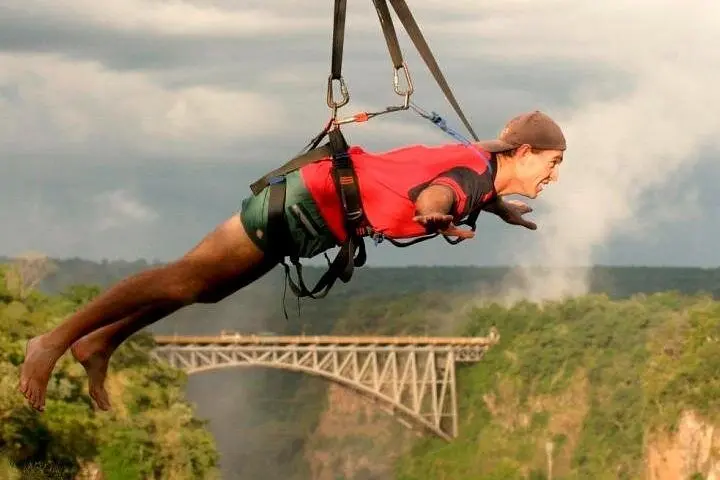
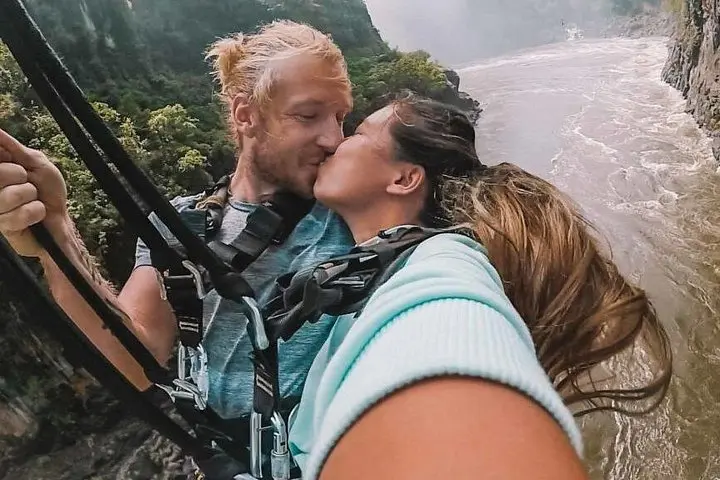
The launch platform sits on exposed rock, wind off the Zambezi tugging at your helmet straps as you peer into the Batoka Gorge. The river below—an impatient silver ribbon—hurtles toward the Indian Ocean, and for a heartbeat the gorge seems to dare you to cross it. Then the guide counts down, the pulley bites, and you are flying: 425 meters of wire, 120 meters above the water, accelerating toward speeds of roughly 106 km/h.
The launch platform sits on exposed rock, wind off the Zambezi tugging at your helmet straps as you peer into the Batoka Gorge. The river below—an impatient silver ribbon—hurtles toward the Indian Ocean, and for a heartbeat the gorge seems to dare you to cross it. Then the guide counts down, the pulley bites, and you are flying: 425 meters of wire, 120 meters above the water, accelerating toward speeds of roughly 106 km/h.
This ride isn't theatre; it's geography in motion. The Batoka Gorge is a corridor cut through hard basalt as the Zambezi scavenged its way downstream over millennia, leaving sheer volcanic walls and braided rapids. The Victoria Falls Bridge—built in 1905 as part of the colonial rail link and visible upriver—frames the history of European exploration and engineering here, while local Tonga and Ndebele communities have long fished and harvested along the floodplain.
On the line you feel both forces: geological patience below and modern adrenaline above. Guides emphasize technique and safety—harness checks, secondary lines, and a pulley system that has operated here for years with a strong safety record. The operation markets itself as the world’s longest zipline over the Zambezi; the numbers are clear and simple: 425 m span, 120 m drop, speeds just over 100 km/h, total experience about 60 minutes from briefing to final landing.
Practicalities matter. The operator asks for passport details at booking and enforces health restrictions: no pregnancy, no serious heart or spinal conditions, and weight limits apply—so check before you book. Expect a short walk on uneven, rocky paths to the launch platform; wear sturdy, closed-toe shoes. Guides provide bottled water, harnesses, and helmets. The activity runs in most weather but will cancel in extreme river or wind conditions; their standard policy allows full refunds if you cancel at least 24 hours out.
Timing is tactical: early morning slots offer softer light and fewer people, while late afternoon gives warm tones on the gorge walls. Bring a secure strap for phones or use an action camera—most operators do not allow loose items. Hydrate before you arrive and keep layers handy; wind can be brisk on the platform even when the valley below is hot.
This is quick, concentrated adventure: a one-hour window that delivers both the immediate thrill of speed and a clear sense of place—the basalt gorge, the choked river, and the bridge that ties human ambition to geography. For anyone who wants a high-adrenaline aperture into Victoria Falls country without committing to a full-day expedition, this zipline is a precisely measured, undeniably visceral way to cross the Zambezi.