THE ADVENTURE COLLECTIVE® · Independent discovery and booking for outdoor travel

See Victoria Falls from both Zimbabwe and Zambia in a single day: panoramic lookouts on the Zimbabwe side, and mist-drenched proximity on the Zambian side. This guided 6–7 hour tour combines geology, history, and up-close power—ideal for first-time visitors and curious adventurers.
See Victoria Falls from both Zimbabwe and Zambia in a single day: panoramic lookouts on the Zimbabwe side, and mist-drenched proximity on the Zambian side. This guided 6–7 hour tour combines geology, history, and up-close power—ideal for first-time visitors and curious adventurers.
You arrive to a roar before you see anything: mist threads the air and the ground trembles as the Zambezi throws itself over rock. Walkways on the Zimbabwe side open to broad, theatrical vantage points—Main Falls and Horseshoe reveal themselves in wide, unapologetic sweeps—then the route folds inward on the Zambian side where narrow trails and the Knife-Edge Bridge drag you into the spray. The falls don’t just sit there; they demand your attention.
Verified experiences and guided adventures in the surrounding area.
Operated by MaGold · Victoria Falls, Matabeleland North
You arrive to a roar before you see anything: mist threads the air and the ground trembles as the Zambezi throws itself over rock. Walkways on the Zimbabwe side open to broad, theatrical vantage points—Main Falls and Horseshoe reveal themselves in wide, unapologetic sweeps—then the route folds inward on the Zambian side where narrow trails and the Knife-Edge Bridge drag you into the spray. The falls don’t just sit there; they demand your attention.
The place is Mosi-oa-Tunya, “The Smoke That Thunders,” known to the Tonga people long before David Livingstone reported it to Europe in 1855. Geologically, the falls trace the edge of basalt plateaus and the Zambezi’s cutting of the Batoka Gorge; the power you feel is erosion at scale. Culturally the site is shared by two countries, and that border crossing changes the rhythm of the visit—Zimbabwe for panoramic context, Zambia for intimate force.
Practical guidance: expect 2–3 hours of walking on paved but often wet trails and bridges, with periods spent standing to take photos or listen to your guide’s history and geology notes. Wear grippy shoes and a breathable rain shell; protect electronics from spray. Carry your passport and local currency—border formalities are straightforward but enforced. Plan for a full 6–7 hour excursion including transport and short stops.
Timing matters: high flow months amplify the spectacle and the mist; low flow exposes rock and different viewpoints. Whether you want thunder or texture, this dual-side tour gives both perspectives in a single, compact day.
Visa requirements depend on your nationality; check both countries’ entry rules in advance—many nationalities can obtain visas on arrival but some must arrange them beforehand.
This specific listing does not state that park fees are included—confirm at booking; if not included, have local currency ready for entrance on both sides where applicable.
The tour notes wheelchair-accessible transportation and some accessible viewpoints on the Zimbabwe side, but the Zambian side has narrow, misty walkways that may limit access—notify the operator when booking.
Peak flow is typically after the rainy season (April–May) when the falls are thunderous and mist-heavy; the driest months (Sept–Nov) offer clearer views and better photography with reduced spray.
MaGold operates guided outdoor trips and adventures with an emphasis on safety, stewardship, and memorable experiences.
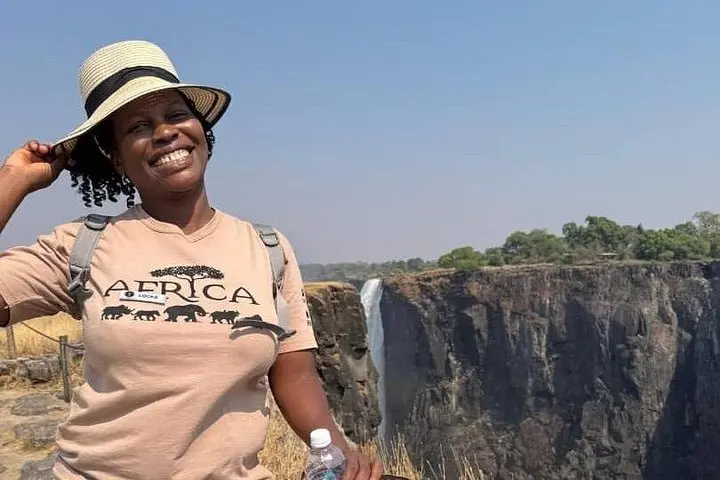
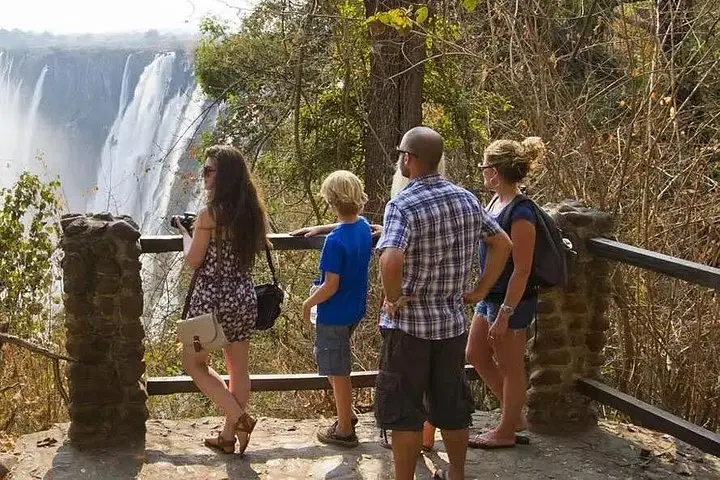
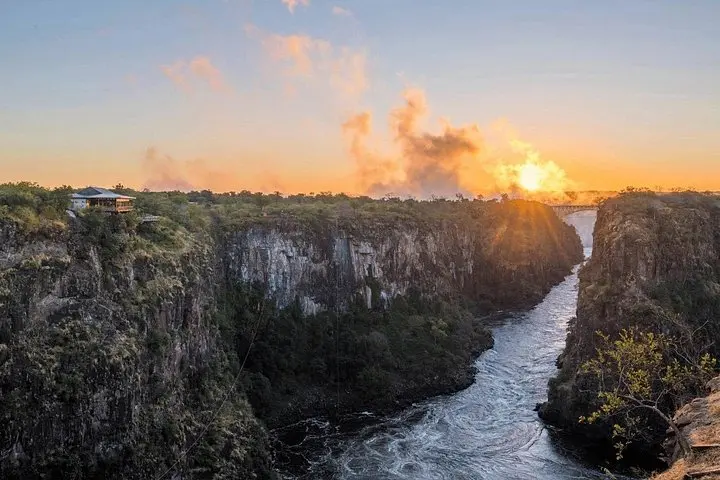
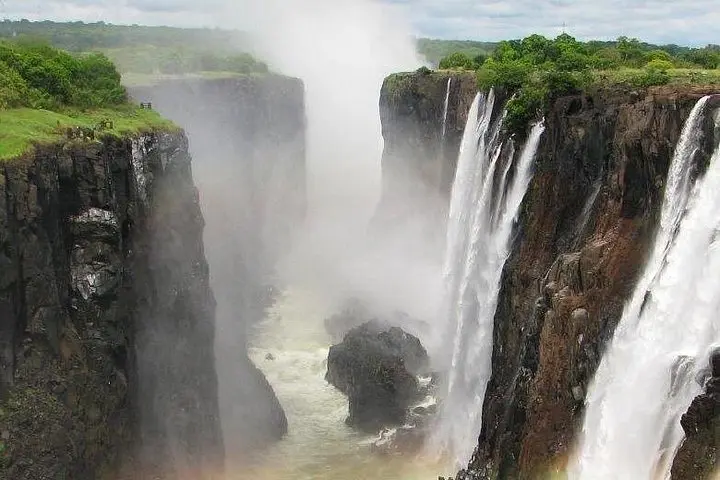
You arrive to a roar before you see anything: mist threads the air and the ground trembles as the Zambezi throws itself over rock. Walkways on the Zimbabwe side open to broad, theatrical vantage points—Main Falls and Horseshoe reveal themselves in wide, unapologetic sweeps—then the route folds inward on the Zambian side where narrow trails and the Knife-Edge Bridge drag you into the spray. The falls don’t just sit there; they demand your attention.
You arrive to a roar before you see anything: mist threads the air and the ground trembles as the Zambezi throws itself over rock. Walkways on the Zimbabwe side open to broad, theatrical vantage points—Main Falls and Horseshoe reveal themselves in wide, unapologetic sweeps—then the route folds inward on the Zambian side where narrow trails and the Knife-Edge Bridge drag you into the spray. The falls don’t just sit there; they demand your attention.
The place is Mosi-oa-Tunya, “The Smoke That Thunders,” known to the Tonga people long before David Livingstone reported it to Europe in 1855. Geologically, the falls trace the edge of basalt plateaus and the Zambezi’s cutting of the Batoka Gorge; the power you feel is erosion at scale. Culturally the site is shared by two countries, and that border crossing changes the rhythm of the visit—Zimbabwe for panoramic context, Zambia for intimate force.
Practical guidance: expect 2–3 hours of walking on paved but often wet trails and bridges, with periods spent standing to take photos or listen to your guide’s history and geology notes. Wear grippy shoes and a breathable rain shell; protect electronics from spray. Carry your passport and local currency—border formalities are straightforward but enforced. Plan for a full 6–7 hour excursion including transport and short stops.
Timing matters: high flow months amplify the spectacle and the mist; low flow exposes rock and different viewpoints. Whether you want thunder or texture, this dual-side tour gives both perspectives in a single, compact day.