THE ADVENTURE COLLECTIVE® · Independent discovery and booking for outdoor travel

Stand on the Zambian rim and let the Zambezi announce itself. This three-hour guided walk through Zambezi National Park combines dramatic viewpoints, local history, and practical tips for photographing and navigating spray-soaked trails.
Stand on the Zambian rim and let the Zambezi announce itself. This three-hour guided walk through Zambezi National Park combines dramatic viewpoints, local history, and practical tips for photographing and navigating spray-soaked trails.
You step onto the Zambian rim and the river announces itself: a white wall of spray, the Zambezi daring you to come closer. Mist threads the air, sunlight fractures into rainbows, and the constant thunder of water organizes every other sound.
Verified experiences and guided adventures in the surrounding area.
Operated by Fuhara Safaris · Livingstone, Southern Province
You step onto the Zambian rim and the river announces itself: a white wall of spray, the Zambezi daring you to come closer. Mist threads the air, sunlight fractures into rainbows, and the constant thunder of water organizes every other sound.
This three-hour guided walk focuses on the Zambian viewpoints inside Zambezi National Park. Guides explain the Falls’ geological origins — basalt cap rock eroded along faults — and the dramatic gorge system cut downstream over millennia. Culturally, the site is tied to Tonga and Lozi peoples and to David Livingstone, whose 1855 European account brought global attention to the cascade now protected as a UNESCO World Heritage Site.
Expect well-graded paths, stone viewing platforms, and brief stair sections; the trail is short but can be slippery from spray. Wildlife is present along the banks — monitor lizards sunning on boulders and hippos moving in quieter pools — and your guide will point out seasonal changes in flow and visibility.
Practical notes: arrive early for soft morning light and fewer crowds; bring a waterproof layer and a secure camera setup since spray can soak electronics. If you have mobility needs, notify operators in advance — some viewpoints are accessible while others require steps. Hydrate, wear sturdy shoes with traction, and plan for sun exposure on return walks.
The Zambian side gives expansive, frontal perspectives of the curtain and downstream gorges. It’s a compact, interpretation-rich visit that pairs natural spectacle with local storytelling — an efficient, sensory-packed introduction to one of the planet’s most powerful rivers.
The guided tour lasts about three hours and involves short walks on paved and natural paths with some stairs; it’s rated moderate.
Some viewpoints and paths near parking are accessible, but several observation points require steps — notify the operator when booking so they can advise.
The dry season (May–October) offers clearer viewpoints and safer paths, while the high-water season (February–May) produces the most dramatic flow and mist.
Yes; guides usually assist with composition and group photos and will suggest the best viewpoints for light and framing.
Fuhara Safaris operates guided outdoor trips and adventures with an emphasis on safety, stewardship, and memorable experiences.
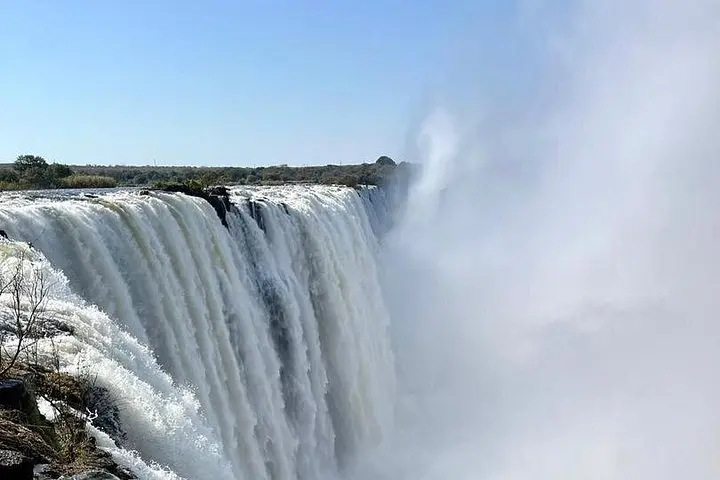
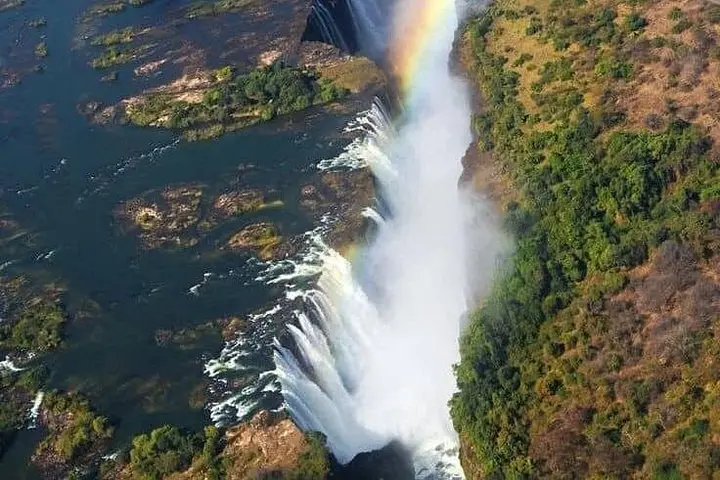
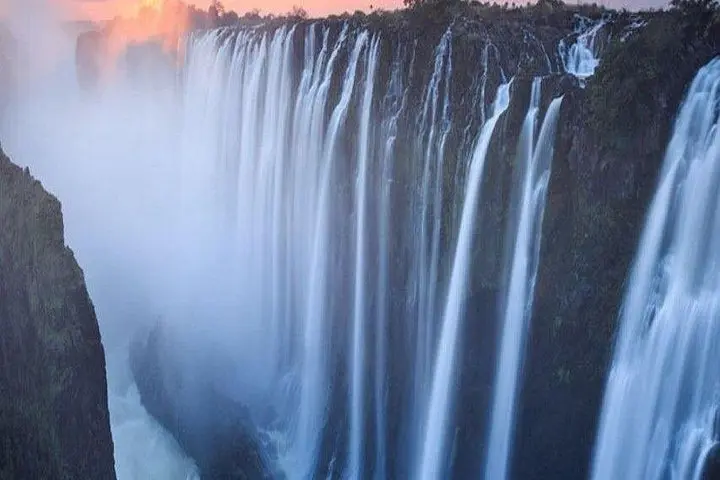
You step onto the Zambian rim and the river announces itself: a white wall of spray, the Zambezi daring you to come closer. Mist threads the air, sunlight fractures into rainbows, and the constant thunder of water organizes every other sound.
You step onto the Zambian rim and the river announces itself: a white wall of spray, the Zambezi daring you to come closer. Mist threads the air, sunlight fractures into rainbows, and the constant thunder of water organizes every other sound.
This three-hour guided walk focuses on the Zambian viewpoints inside Zambezi National Park. Guides explain the Falls’ geological origins — basalt cap rock eroded along faults — and the dramatic gorge system cut downstream over millennia. Culturally, the site is tied to Tonga and Lozi peoples and to David Livingstone, whose 1855 European account brought global attention to the cascade now protected as a UNESCO World Heritage Site.
Expect well-graded paths, stone viewing platforms, and brief stair sections; the trail is short but can be slippery from spray. Wildlife is present along the banks — monitor lizards sunning on boulders and hippos moving in quieter pools — and your guide will point out seasonal changes in flow and visibility.
Practical notes: arrive early for soft morning light and fewer crowds; bring a waterproof layer and a secure camera setup since spray can soak electronics. If you have mobility needs, notify operators in advance — some viewpoints are accessible while others require steps. Hydrate, wear sturdy shoes with traction, and plan for sun exposure on return walks.
The Zambian side gives expansive, frontal perspectives of the curtain and downstream gorges. It’s a compact, interpretation-rich visit that pairs natural spectacle with local storytelling — an efficient, sensory-packed introduction to one of the planet’s most powerful rivers.