THE ADVENTURE COLLECTIVE® · Independent discovery and booking for outdoor travel

Walk both sides of Victoria Falls on a guided half-day tour that pairs up-close Zambian viewpoints with panoramic views from Zimbabwe. Learn geology, history, and local lore while navigating rainforest paths, spray, and iconic viewpoints like the Boiling Pot and Knife-Edge Bridge.
Walk both sides of Victoria Falls on a guided half-day tour that pairs up-close Zambian viewpoints with panoramic views from Zimbabwe. Learn geology, history, and local lore while navigating rainforest paths, spray, and iconic viewpoints like the Boiling Pot and Knife-Edge Bridge.
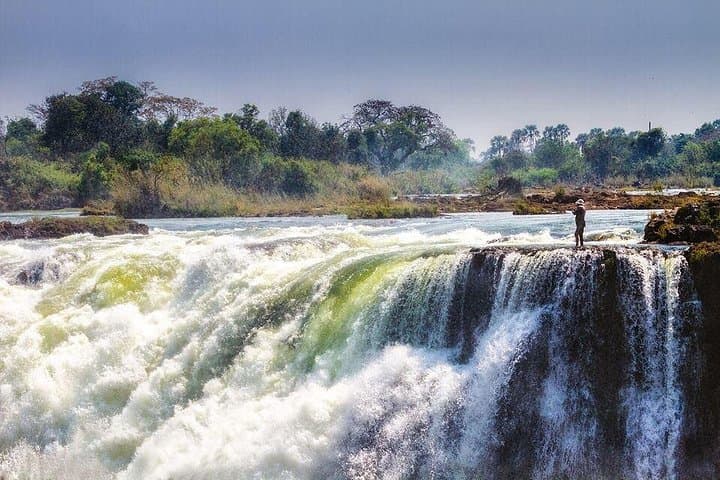
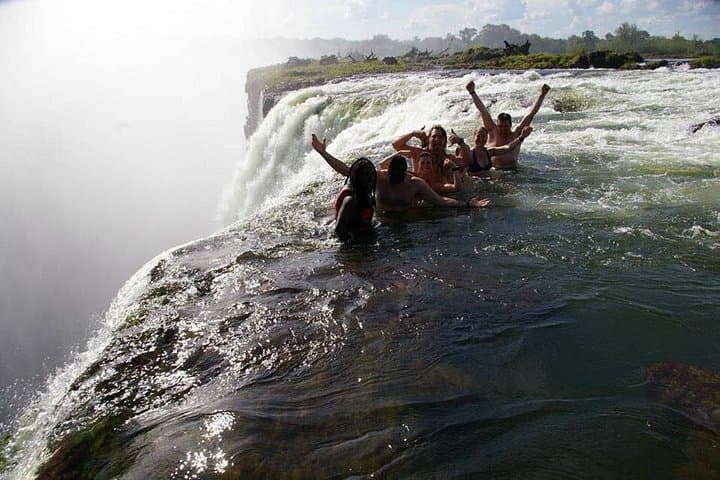
You step onto a mist-slick path and the world rearranges itself around sound: the Zambezi hurls itself off the cliff and the spray dares you closer. On this guided circuit, you’ll move from the intimate knife-edge views on the Zambian side to the sweeping panoramas of Zimbabwe’s Victoria Falls National Park.
Verified experiences and guided adventures in the surrounding area.
Operated by Safaris Travel Victoria Falls · Victoria Falls, Matabeleland North
You step onto a mist-slick path and the world rearranges itself around sound: the Zambezi hurls itself off the cliff and the spray dares you closer. On this guided circuit, you’ll move from the intimate knife-edge views on the Zambian side to the sweeping panoramas of Zimbabwe’s Victoria Falls National Park.
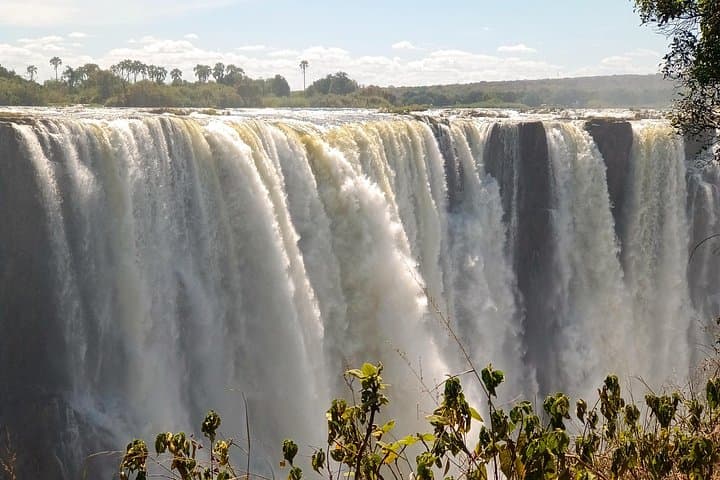
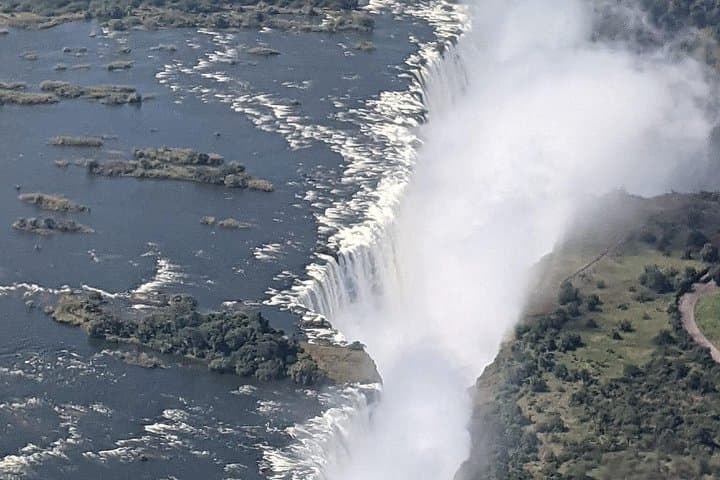
Geology and history are part of the route—the Zambezi drops roughly 100 meters into a gorge carved from basalt, the curtain of water shaped by successive lava flows and fault lines. Locally called Mosi-oa-Tunya, “The Smoke That Thunders,” the falls hold deep cultural meaning for local Tonga communities and were a landmark for colonial explorers that led to the construction of the Victoria Falls Bridge.
Expect rainforest humidity close to the cataract, stone paths that can be slippery with spray, and viewpoints like the Boiling Pot and Main Falls that rearrange with the light. Guides point out geological features and local wildlife—baboons along the paths, raptors riding the updrafts—and explain how seasonal flow alters what you see.
Practical notes: allow a half day for a dual-side visit, bring layered waterproofs, protect electronics with dry bags, and carry local currency or a card for park fees and bridgeside vendors. Border formalities can add time if you cross between Zambia and Zimbabwe—carry passports and check visa requirements in advance. Aim for morning or late afternoon light for photos and cooler temperatures. This is an accessible, high-impact nature experience—intense in scale but gentle on fitness, and one of Africa’s most elemental outdoor spectacles.
Visa requirements depend on your nationality—check embassy guidance and allow extra time at the border if you plan to visit both sides.
Expect about six hours total including guided walks on both sides, transit time, and brief stops at key viewpoints.
Some main viewpoints have accessible paths and the operator notes wheelchair access; access can vary by viewpoint so confirm specifics before booking.
Early morning and late afternoon offer softer light and fewer crowds; mid-day has more spray which can obscure views but creates dramatic rainbows.
Safaris Travel Victoria Falls operates guided outdoor trips and adventures with an emphasis on safety, stewardship, and memorable experiences.
You step onto a mist-slick path and the world rearranges itself around sound: the Zambezi hurls itself off the cliff and the spray dares you closer. On this guided circuit, you’ll move from the intimate knife-edge views on the Zambian side to the sweeping panoramas of Zimbabwe’s Victoria Falls National Park.
You step onto a mist-slick path and the world rearranges itself around sound: the Zambezi hurls itself off the cliff and the spray dares you closer. On this guided circuit, you’ll move from the intimate knife-edge views on the Zambian side to the sweeping panoramas of Zimbabwe’s Victoria Falls National Park.
Geology and history are part of the route—the Zambezi drops roughly 100 meters into a gorge carved from basalt, the curtain of water shaped by successive lava flows and fault lines. Locally called Mosi-oa-Tunya, “The Smoke That Thunders,” the falls hold deep cultural meaning for local Tonga communities and were a landmark for colonial explorers that led to the construction of the Victoria Falls Bridge.
Expect rainforest humidity close to the cataract, stone paths that can be slippery with spray, and viewpoints like the Boiling Pot and Main Falls that rearrange with the light. Guides point out geological features and local wildlife—baboons along the paths, raptors riding the updrafts—and explain how seasonal flow alters what you see.
Practical notes: allow a half day for a dual-side visit, bring layered waterproofs, protect electronics with dry bags, and carry local currency or a card for park fees and bridgeside vendors. Border formalities can add time if you cross between Zambia and Zimbabwe—carry passports and check visa requirements in advance. Aim for morning or late afternoon light for photos and cooler temperatures. This is an accessible, high-impact nature experience—intense in scale but gentle on fitness, and one of Africa’s most elemental outdoor spectacles.