THE ADVENTURE COLLECTIVE® · Independent discovery and booking for outdoor travel

Stand inside the spray curtain of one of the world’s great waterfalls on a guided two‑hour tour of Victoria Falls from the Zambian side. Learn the geology, history, and seasonal rhythms while visiting viewpoints that put you close enough to feel the roar.
Stand inside the spray curtain of one of the world’s great waterfalls on a guided two‑hour tour of Victoria Falls from the Zambian side. Learn the geology, history, and seasonal rhythms while visiting viewpoints that put you close enough to feel the roar.
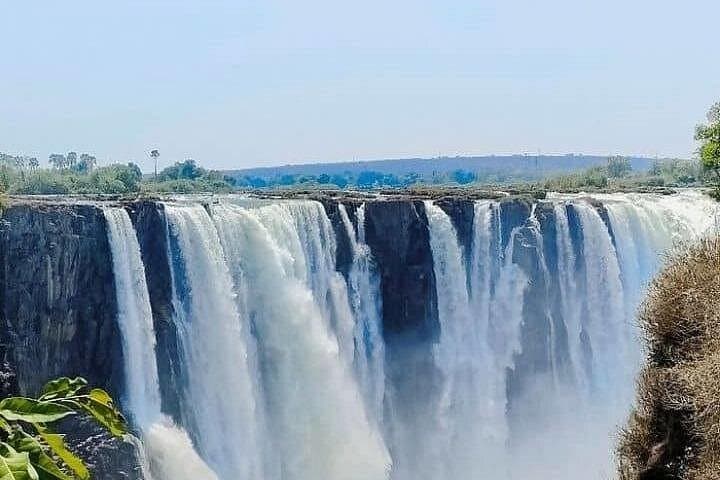
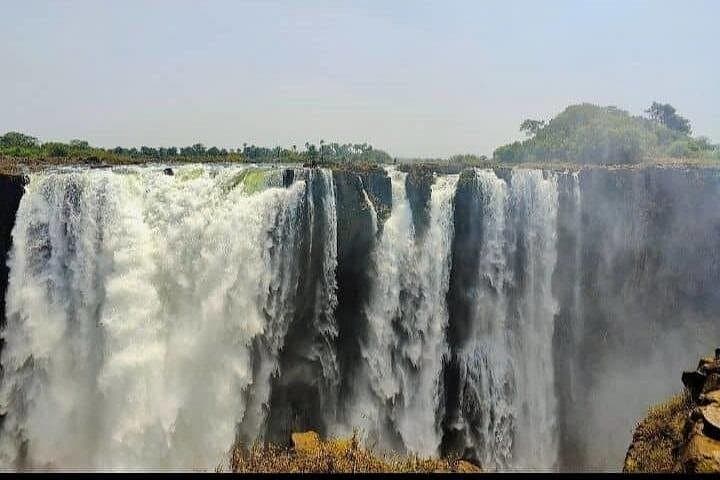
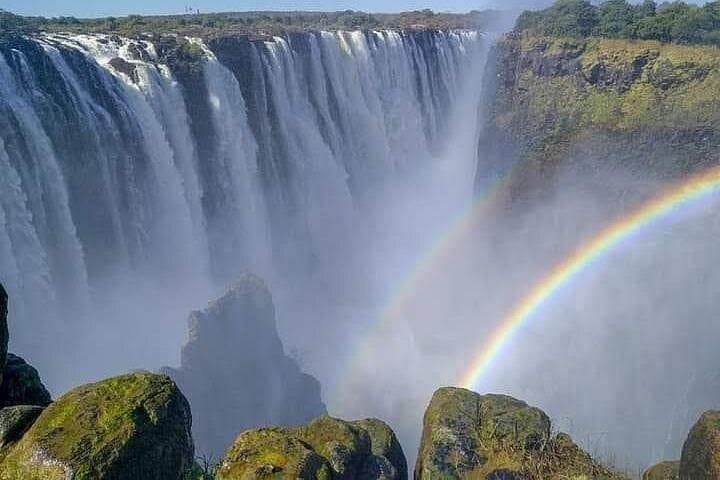
You step off the minivan into a spray-hung morning and the air tastes of river and stone. The Zambezi announces itself before you see it: a low thunder that grows into a roar as the trail drops through a green, dripping rainforest. On the Zambia side, the falls fling themselves over a 100‑meter basalt lip into the Zambezi Gorge, and the mist dares you to stand closer.
Verified experiences and guided adventures in the surrounding area.
Operated by Henric Tours and Safaris · Livingstone, Southern Province
You step off the minivan into a spray-hung morning and the air tastes of river and stone. The Zambezi announces itself before you see it: a low thunder that grows into a roar as the trail drops through a green, dripping rainforest. On the Zambia side, the falls fling themselves over a 100‑meter basalt lip into the Zambezi Gorge, and the mist dares you to stand closer.
Geology here is blunt and visible—ancient basalt terraces cut by the river, a sheer gorge carved by relentless flow. Culturally the place carries two names: locals call it Mosi-oa-Tunya, “The Smoke That Thunders,” and Victorian explorers gave it the name that drew the world. Guides weave both stories, pointing out Livingstone Island and the colonial-era routes while explaining seasonal shifts in volume and spray.
This is a short, interpretive walk rather than a hike: expect paved and natural paths, viewpoints with railings, and a steady chorus of water. Timing matters—early morning light and late afternoon shadows offer the best photos and slightly less spray. Rain jackets and non-slip shoes keep you comfortable when the mist turns to a steady rain.
Practicalities: tours typically run about two hours, include hotel pickup and entry fees, and are suitable for most fitness levels; many viewpoints are wheelchair accessible. Carry a refillable water bottle, protect electronics against spray, and allow time to move between viewpoints for the best perspectives. Respect marked paths and wildlife along the river—this place is powerful and fragile, and visiting thoughtfully keeps the falls intact for the next traveler.
The guided tour runs about two hours and covers the main viewpoints on the Zambian side, including rainforest paths and gorge overlooks.
Many organized tours include the Victoria Falls entry fee and hotel pickup—confirm at booking; this particular tour lists entry fees and transport in the inclusions.
Yes—paths and viewpoints on the Zambia side are largely wheelchair and stroller accessible, though some uneven surfaces may exist near natural viewpoints.
High water (around March–May) gives maximum flow and dramatic spray; low water (September–November) exposes more rock and allows access to some islands and edge-level viewpoints.
Henric Tours and Safaris operates guided outdoor trips and adventures with an emphasis on safety, stewardship, and memorable experiences.

You step off the minivan into a spray-hung morning and the air tastes of river and stone. The Zambezi announces itself before you see it: a low thunder that grows into a roar as the trail drops through a green, dripping rainforest. On the Zambia side, the falls fling themselves over a 100‑meter basalt lip into the Zambezi Gorge, and the mist dares you to stand closer.
You step off the minivan into a spray-hung morning and the air tastes of river and stone. The Zambezi announces itself before you see it: a low thunder that grows into a roar as the trail drops through a green, dripping rainforest. On the Zambia side, the falls fling themselves over a 100‑meter basalt lip into the Zambezi Gorge, and the mist dares you to stand closer.
Geology here is blunt and visible—ancient basalt terraces cut by the river, a sheer gorge carved by relentless flow. Culturally the place carries two names: locals call it Mosi-oa-Tunya, “The Smoke That Thunders,” and Victorian explorers gave it the name that drew the world. Guides weave both stories, pointing out Livingstone Island and the colonial-era routes while explaining seasonal shifts in volume and spray.
This is a short, interpretive walk rather than a hike: expect paved and natural paths, viewpoints with railings, and a steady chorus of water. Timing matters—early morning light and late afternoon shadows offer the best photos and slightly less spray. Rain jackets and non-slip shoes keep you comfortable when the mist turns to a steady rain.
Practicalities: tours typically run about two hours, include hotel pickup and entry fees, and are suitable for most fitness levels; many viewpoints are wheelchair accessible. Carry a refillable water bottle, protect electronics against spray, and allow time to move between viewpoints for the best perspectives. Respect marked paths and wildlife along the river—this place is powerful and fragile, and visiting thoughtfully keeps the falls intact for the next traveler.