THE ADVENTURE COLLECTIVE® · Independent discovery and booking for outdoor travel

Walk the Zimbabwean side of Victoria Falls with a nature guide and raincoats provided. This two-hour rainforest tour blends dramatic viewpoints, geology and local history with practical tips for photographing the Falls.
Walk the Zimbabwean side of Victoria Falls with a nature guide and raincoats provided. This two-hour rainforest tour blends dramatic viewpoints, geology and local history with practical tips for photographing the Falls.
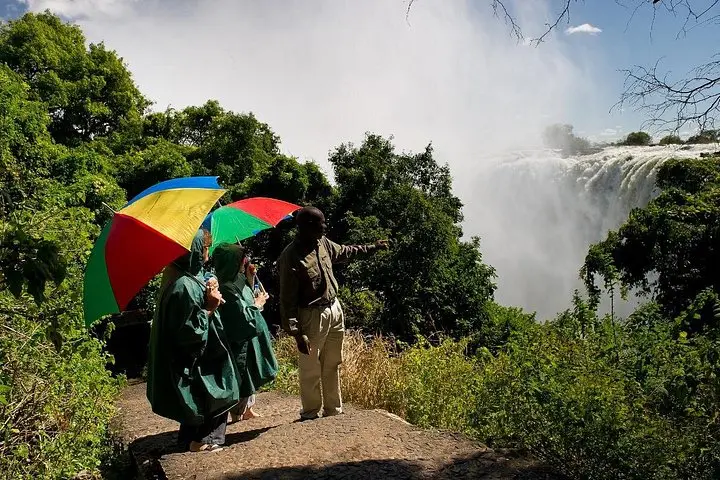
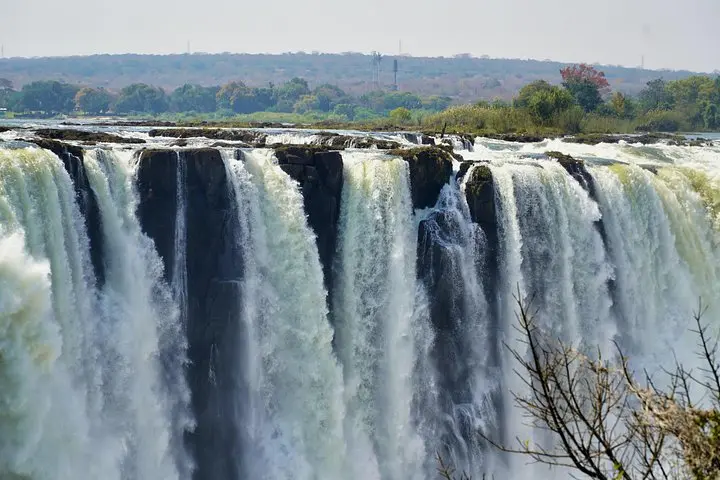
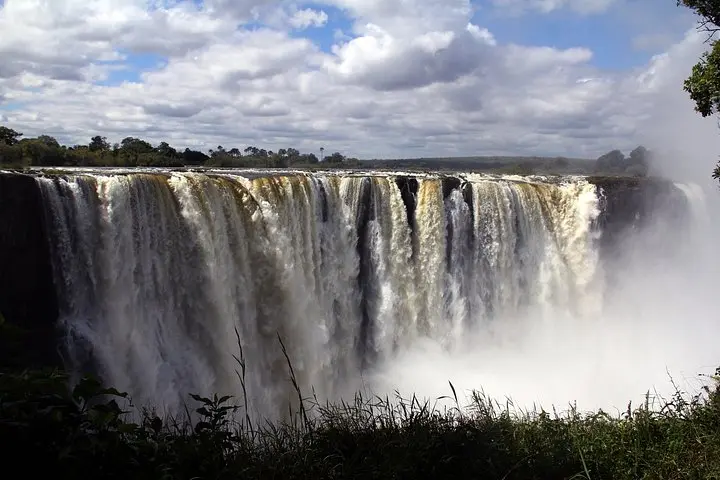
You arrive at the Victoria Falls rainforest to the sound of water drilling the gorge below—mist rising like a slow breath that blurs the path and cools the air. Sunlight slices through spray when the wind shifts, and the guide points to viewpoints where the Zambezi hurls itself over basalt lip into a foaming throat. The walk stays close to the cliff edge but follows maintained paths and wooden platforms that let the Falls’ scale register without demanding scrambling.
Verified experiences and guided adventures in the surrounding area.
Operated by Cullinan Guided Journeys · Victoria Falls, Matabeleland North
You arrive at the Victoria Falls rainforest to the sound of water drilling the gorge below—mist rising like a slow breath that blurs the path and cools the air. Sunlight slices through spray when the wind shifts, and the guide points to viewpoints where the Zambezi hurls itself over basalt lip into a foaming throat. The walk stays close to the cliff edge but follows maintained paths and wooden platforms that let the Falls’ scale register without demanding scrambling.
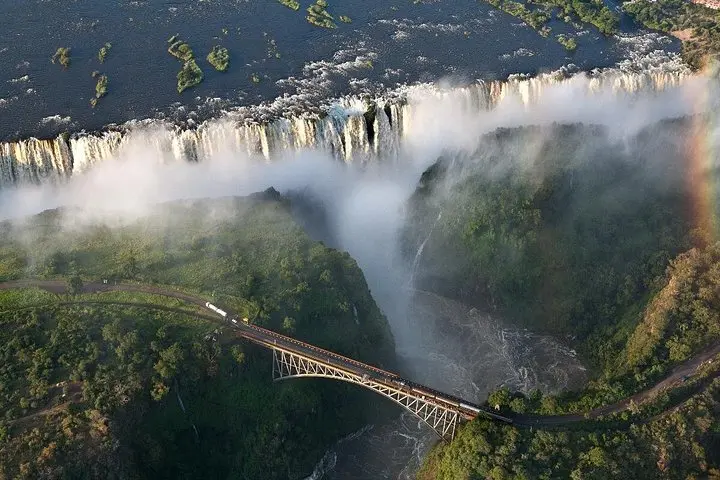
Geologically, the cascade sits where the Zambezi crosses hard basalt, creating a series of cataracts and a dramatic plunge pool that has been carving the gorge for millennia. Culturally, the Kololo and Tonga peoples have long spoken of the Falls as both sacred and central to local livelihoods; British explorations in the 19th century put the site on global maps but also altered its colonial narrative.
Expect thick, humid air, saturated soils and frequent spray; raincoats are supplied when needed. The guide will cover flora adapted to permanent mist—ferns, figs and figs’ aerial roots—and keep an eye out for dwarf mongoose or a sudden appearance of hornbills. Photography windows appear between sheets of spray; plan for wet gear and quick shutter settings.
Practical notes: the two-hour walk is held on defined trails with viewing platforms and involves moderate walking over uneven, often slick surfaces and short inclines. Wear grippy shoes, a quick-dry layer and bring a small waterproof for electronics. Morning tours give softer light and fewer crowds; midday can be wetter and more spectacular, but wind-driven spray reduces visibility.
Yes—entrance fees to Victoria Falls National Park are listed as included in the tour price.
Yes—raincoats are provided when needed to protect guests from the Falls’ spray.
The walk uses established trails and viewing platforms on the Zimbabwean side that bring you close to the edge and provide panoramic views without technical climbing.
Complimentary collection and drop-off are available from selected Victoria Falls Town hotels and guest houses; confirm pickup 48–24 hours before departure.
Cullinan Guided Journeys operates guided outdoor trips and adventures with an emphasis on safety, stewardship, and memorable experiences.
You arrive at the Victoria Falls rainforest to the sound of water drilling the gorge below—mist rising like a slow breath that blurs the path and cools the air. Sunlight slices through spray when the wind shifts, and the guide points to viewpoints where the Zambezi hurls itself over basalt lip into a foaming throat. The walk stays close to the cliff edge but follows maintained paths and wooden platforms that let the Falls’ scale register without demanding scrambling.
You arrive at the Victoria Falls rainforest to the sound of water drilling the gorge below—mist rising like a slow breath that blurs the path and cools the air. Sunlight slices through spray when the wind shifts, and the guide points to viewpoints where the Zambezi hurls itself over basalt lip into a foaming throat. The walk stays close to the cliff edge but follows maintained paths and wooden platforms that let the Falls’ scale register without demanding scrambling.
Geologically, the cascade sits where the Zambezi crosses hard basalt, creating a series of cataracts and a dramatic plunge pool that has been carving the gorge for millennia. Culturally, the Kololo and Tonga peoples have long spoken of the Falls as both sacred and central to local livelihoods; British explorations in the 19th century put the site on global maps but also altered its colonial narrative.
Expect thick, humid air, saturated soils and frequent spray; raincoats are supplied when needed. The guide will cover flora adapted to permanent mist—ferns, figs and figs’ aerial roots—and keep an eye out for dwarf mongoose or a sudden appearance of hornbills. Photography windows appear between sheets of spray; plan for wet gear and quick shutter settings.
Practical notes: the two-hour walk is held on defined trails with viewing platforms and involves moderate walking over uneven, often slick surfaces and short inclines. Wear grippy shoes, a quick-dry layer and bring a small waterproof for electronics. Morning tours give softer light and fewer crowds; midday can be wetter and more spectacular, but wind-driven spray reduces visibility.