THE ADVENTURE COLLECTIVE® · Independent discovery and booking for outdoor travel

Follow the spray of Victoria Falls through Chobe, Savuti and Moremi to the papyrus channels of the Okavango Delta on a 12‑day safari. Expect morning and evening game drives, tented camps, mokoro rides and close encounters with elephants and big cats.
Follow the spray of Victoria Falls through Chobe, Savuti and Moremi to the papyrus channels of the Okavango Delta on a 12‑day safari. Expect morning and evening game drives, tented camps, mokoro rides and close encounters with elephants and big cats.
The first light hits the spray above Victoria Falls and the Zambezi dares you across a horizon of mist and thunder. From that roar the journey peels away—riverbanks give way to broad floodplains, and the landscape opens into Chobe’s riparian edges before drying into Savuti’s hunting grounds and finally the papyrus channels of the Okavango Delta.
Verified experiences and guided adventures in the surrounding area.
Operated by Afrinature Safaris · Victoria Falls, Matabeleland North
The first light hits the spray above Victoria Falls and the Zambezi dares you across a horizon of mist and thunder. From that roar the journey peels away—riverbanks give way to broad floodplains, and the landscape opens into Chobe’s riparian edges before drying into Savuti’s hunting grounds and finally the papyrus channels of the Okavango Delta.
This route stitches together colonial-era history and geological drama: Mosi-oa-Tunya ("The Smoke That Thunders") carved into basalt over millennia, the seasonal pulse of the Okavango that floods an inland delta, and human cultures who have lived here for generations—Tswana and local Delta communities whose polers still navigate mokoros. The parks (Chobe, Moremi, Savuti) protect a shifting mosaic of habitats where elephants congregate by the hundreds and predators exploit the drought and reflow cycles.
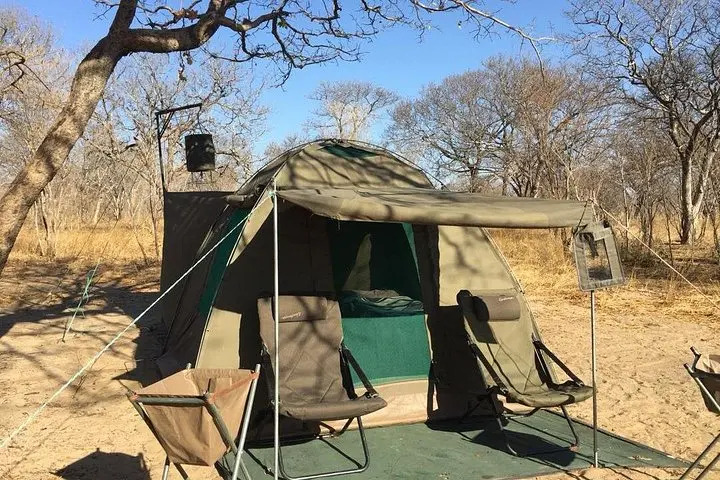
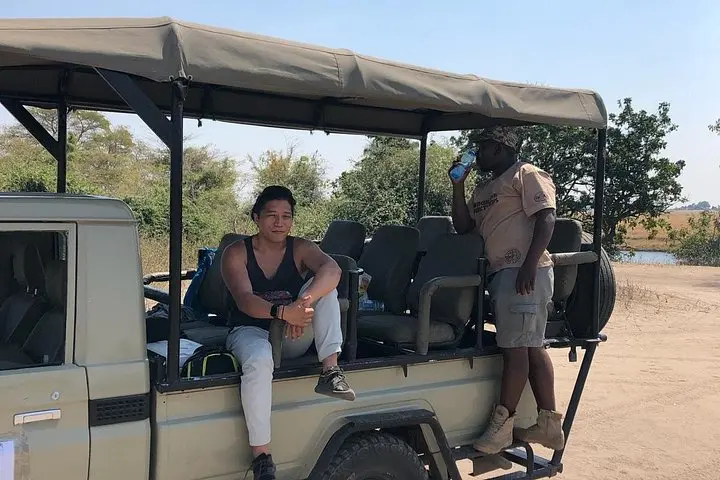
Expect long game drives at dawn and dusk, open-vehicle tracking across grasslands, nights in tented camps under high, clear skies, and mokoro excursions that push silently through papyrus channels. Terrain varies from dusty tracks and mopane woodland to waterlogged islands; vehicle access can be bumpy and slow.
Practical guidance: pack layered clothing for hot days and cool nights, bring quality binoculars, and carry at least 3 liters of water per person on drives. Vaccinations and travel documents are required; travel insurance that covers remote evacuations is recommended. Time visits to dry-season months for concentrated wildlife viewing, but factor seasonal flooding for mokoro access. Embrace slow travel—this safari is about patient searching, sudden encounters, and the rhythm of an ancient river that keeps changing the map beneath your feet.
Visa requirements depend on your nationality; check embassy guidance. Yellow fever vaccination may be required if arriving from endemic countries and other routine vaccinations/antimalarial advice should be confirmed with your doctor.
Some wilderness camps are remote with limited onsite medical services; guides carry first aid kits but travellers should have evacuation-capable travel insurance and inform operators of health issues.
Yes—local polers guide mokoros; excursions are typically calm and slow, but expect to sit low and wear slip-resistant shoes.
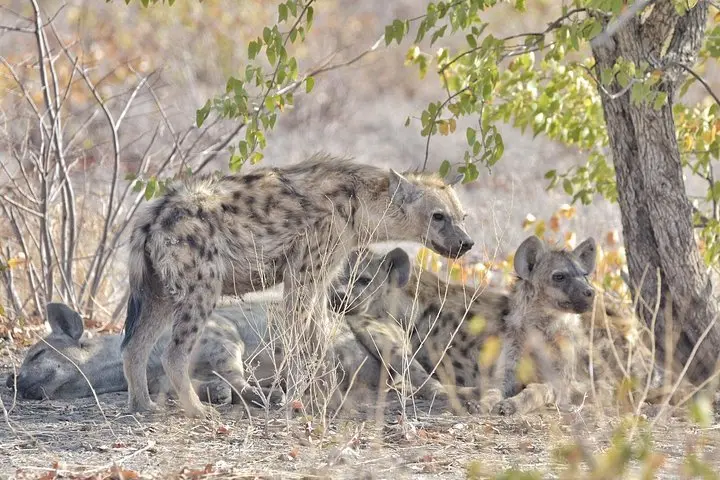
Elephants, buffalo, hippo, and an array of waterbirds are common; predators such as lion, leopard and hyena are frequently encountered—sightings vary by season and area.
Afrinature Safaris operates guided outdoor trips and adventures with an emphasis on safety, stewardship, and memorable experiences.
The first light hits the spray above Victoria Falls and the Zambezi dares you across a horizon of mist and thunder. From that roar the journey peels away—riverbanks give way to broad floodplains, and the landscape opens into Chobe’s riparian edges before drying into Savuti’s hunting grounds and finally the papyrus channels of the Okavango Delta.
The first light hits the spray above Victoria Falls and the Zambezi dares you across a horizon of mist and thunder. From that roar the journey peels away—riverbanks give way to broad floodplains, and the landscape opens into Chobe’s riparian edges before drying into Savuti’s hunting grounds and finally the papyrus channels of the Okavango Delta.
This route stitches together colonial-era history and geological drama: Mosi-oa-Tunya ("The Smoke That Thunders") carved into basalt over millennia, the seasonal pulse of the Okavango that floods an inland delta, and human cultures who have lived here for generations—Tswana and local Delta communities whose polers still navigate mokoros. The parks (Chobe, Moremi, Savuti) protect a shifting mosaic of habitats where elephants congregate by the hundreds and predators exploit the drought and reflow cycles.
Expect long game drives at dawn and dusk, open-vehicle tracking across grasslands, nights in tented camps under high, clear skies, and mokoro excursions that push silently through papyrus channels. Terrain varies from dusty tracks and mopane woodland to waterlogged islands; vehicle access can be bumpy and slow.
Practical guidance: pack layered clothing for hot days and cool nights, bring quality binoculars, and carry at least 3 liters of water per person on drives. Vaccinations and travel documents are required; travel insurance that covers remote evacuations is recommended. Time visits to dry-season months for concentrated wildlife viewing, but factor seasonal flooding for mokoro access. Embrace slow travel—this safari is about patient searching, sudden encounters, and the rhythm of an ancient river that keeps changing the map beneath your feet.