THE ADVENTURE COLLECTIVE® · Independent discovery and booking for outdoor travel

Stand at the edge of Mosi‑oa‑Tunya and feel the river announce itself: thunder, spray and impossible scale. This guided 3‑hour tour from Livingstone hits the Knife‑edge Bridge, Boiling Pot and Victoria Falls Bridge with park fees and hotel transfer included.
Stand at the edge of Mosi‑oa‑Tunya and feel the river announce itself: thunder, spray and impossible scale. This guided 3‑hour tour from Livingstone hits the Knife‑edge Bridge, Boiling Pot and Victoria Falls Bridge with park fees and hotel transfer included.
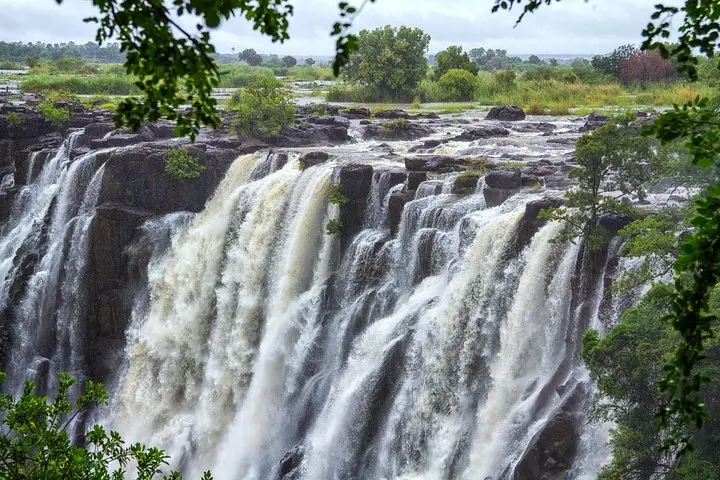
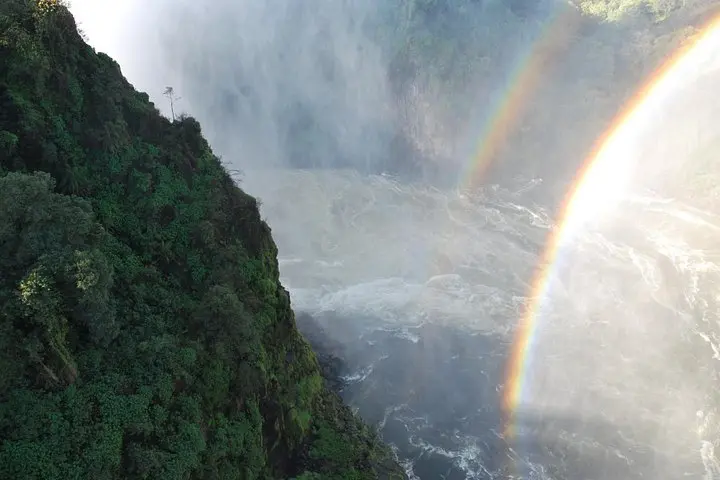
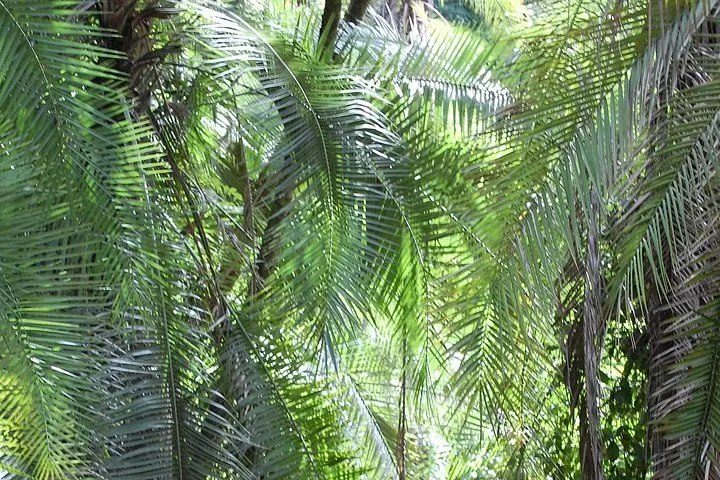
You step off the air‑conditioned vehicle and the Zambezi announces itself: spray hanging like thin fog, a distant roar that grows teeth as you approach. The path threads through mahogany and fig, and every viewpoint rearranges the falls — one moment a white sheet, the next a misted curtain with rainbows cutting across it.
Verified experiences and guided adventures in the surrounding area.
Operated by Savannah Southern Safaris · Livingstone, Southern Province
You step off the air‑conditioned vehicle and the Zambezi announces itself: spray hanging like thin fog, a distant roar that grows teeth as you approach. The path threads through mahogany and fig, and every viewpoint rearranges the falls — one moment a white sheet, the next a misted curtain with rainbows cutting across it.
Known to the Kololo as Mosi‑oa‑Tunya, "The Smoke that Thunders," Victoria Falls sits where the Zambezi narrows and then sheds an enormous slab of water into Batoka Gorge. The gorge’s basalt cliffs and the falls’ segmented geometry are a record of repeated lava flows and faulting; visible cataracts—Main Falls, Eastern Cataract, and the Knife‑edge—tell a geological story written in stone and water.
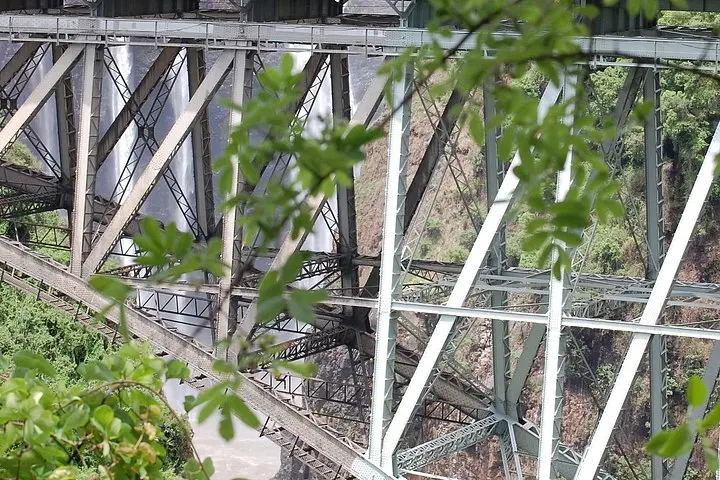
Culturally, the site blends indigenous reverence with colonial history: David Livingstone’s 1855 visit put the falls on European maps, while local craft markets and riverside villages keep living connections to the river’s rhythms. On a guided tour from Livingstone you’ll stop at established lookouts—the Knife‑edge bridge, the Boiling Pot and the Victoria Falls Bridge—each offering different scales of the spectacle and opportunities to watch riverine birds, baboons, or elephants along the banks.
Practical notes: tours run about three hours with national park fees commonly included and hotel pickup provided. Wear sturdy, non‑slip shoes and a lightweight waterproof layer—the spray can drench cameras and clothing when flow is high. Morning departures usually mean fewer people and softer light; late wet season visits deliver the most dramatic spray but reduced visibility. Respect barriers, carry water and sun protection, and leave no trace of your visit—this is a fragile, living cliff face.
Most organized tours include national park fees and will state this at booking; confirm on your voucher or with the operator.
If your tour stays on the Zambian side and you depart from Livingstone, a passport is not required for the park visit itself, but bring ID and your passport if you plan to cross the Victoria Falls Bridge or visit Zimbabwe.
Expect short to moderate walking on paved and dirt paths with stairs between viewpoints—comfortable shoes are recommended.
Early morning offers softer light and fewer people; peak flow in April produces dramatic mist and rainbows but lowers visibility close to some viewpoints.
Savannah Southern Safaris operates guided outdoor trips and adventures with an emphasis on safety, stewardship, and memorable experiences.
You step off the air‑conditioned vehicle and the Zambezi announces itself: spray hanging like thin fog, a distant roar that grows teeth as you approach. The path threads through mahogany and fig, and every viewpoint rearranges the falls — one moment a white sheet, the next a misted curtain with rainbows cutting across it.
You step off the air‑conditioned vehicle and the Zambezi announces itself: spray hanging like thin fog, a distant roar that grows teeth as you approach. The path threads through mahogany and fig, and every viewpoint rearranges the falls — one moment a white sheet, the next a misted curtain with rainbows cutting across it.
Known to the Kololo as Mosi‑oa‑Tunya, "The Smoke that Thunders," Victoria Falls sits where the Zambezi narrows and then sheds an enormous slab of water into Batoka Gorge. The gorge’s basalt cliffs and the falls’ segmented geometry are a record of repeated lava flows and faulting; visible cataracts—Main Falls, Eastern Cataract, and the Knife‑edge—tell a geological story written in stone and water.
Culturally, the site blends indigenous reverence with colonial history: David Livingstone’s 1855 visit put the falls on European maps, while local craft markets and riverside villages keep living connections to the river’s rhythms. On a guided tour from Livingstone you’ll stop at established lookouts—the Knife‑edge bridge, the Boiling Pot and the Victoria Falls Bridge—each offering different scales of the spectacle and opportunities to watch riverine birds, baboons, or elephants along the banks.
Practical notes: tours run about three hours with national park fees commonly included and hotel pickup provided. Wear sturdy, non‑slip shoes and a lightweight waterproof layer—the spray can drench cameras and clothing when flow is high. Morning departures usually mean fewer people and softer light; late wet season visits deliver the most dramatic spray but reduced visibility. Respect barriers, carry water and sun protection, and leave no trace of your visit—this is a fragile, living cliff face.