THE ADVENTURE COLLECTIVE® · Independent discovery and booking for outdoor travel

Walk the viewpoints that frame Victoria Falls on a 2–3 hour guided tour from Livingstone. Learn about the geology, local history and seasonal changes while standing within the spray of the Zambezi.
Walk the viewpoints that frame Victoria Falls on a 2–3 hour guided tour from Livingstone. Learn about the geology, local history and seasonal changes while standing within the spray of the Zambezi.
You arrive at the edge of the gorge and the falls announce themselves before you see them: spray rising like a moving cloud, the river pushing itself toward the drop. On a guided Victoria Falls tour from Livingstone you walk the network of paved viewpoints that frame the Main Falls and the Boiling Pot — paths that run along rainforest slick with spray and carved basalt cliffs that hold the river in place.
Verified experiences and guided adventures in the surrounding area.
Operated by Nekacheya Travel And Tours · Livingstone, Southern Province
You arrive at the edge of the gorge and the falls announce themselves before you see them: spray rising like a moving cloud, the river pushing itself toward the drop. On a guided Victoria Falls tour from Livingstone you walk the network of paved viewpoints that frame the Main Falls and the Boiling Pot — paths that run along rainforest slick with spray and carved basalt cliffs that hold the river in place.
Geologically the falls mark a break in the Zambezi’s basalt plateau; the river has scoured a narrow chasm where the water tumbles and then churns in the pool below. Historically this place is Mosi-oa-Tunya — “The Smoke That Thunders” — first written about in the 19th century by David Livingstone and today protected as a UNESCO site. The tour mixes natural history and local stories: guides point out rock layers, seasonal changes in flow, and how the falls shaped the culture and economy of the region.
Expect easy walking, frequent viewpoints, and mist that dares you to keep your camera dry. Peak spray occurs in the wet season, when visibility can be dramatic but intimate; dry-season visits offer clearer lines of sight and more visible riverbeds.
Practical guidance: bring a waterproof layer, sturdy grippy shoes, and a lens cloth. Morning and late-afternoon visits avoid busier tour windows and catch the best light for rainbows. If you plan to cross to the Zimbabwe side or visit Livingstone Island, check visa rules and book extra excursions separately. The route is accessible to most visitors and delivers one of Africa’s most immediate nature encounters.
Typical guided visits run about 2–3 hours and cover multiple viewpoints along the Zambezi Gorge.
Most guided tours include park admission; confirm on booking but the itinerary here lists admission as included.
Yes — the falls are at their most powerful in the wet season (Nov–Apr), but expect heavy spray and some restricted viewpoints.
Carry your passport — visas depend on your nationality and whether you plan cross-border visits to Zimbabwe or to Livingstone Island, which may require separate arrangements.
Nekacheya Travel And Tours operates guided outdoor trips and adventures with an emphasis on safety, stewardship, and memorable experiences.
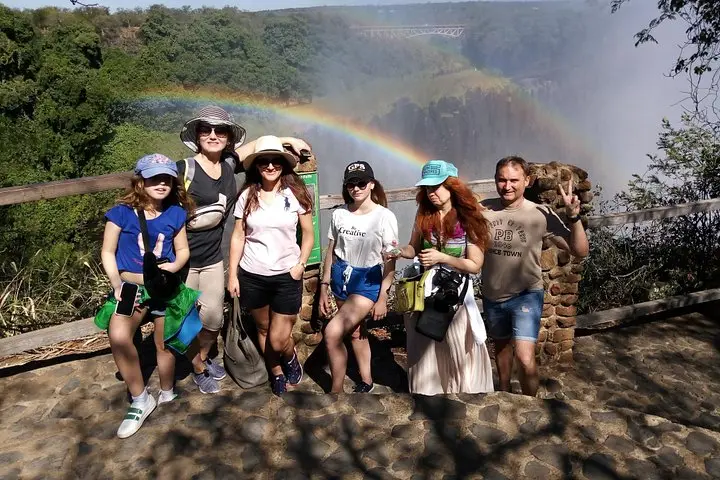
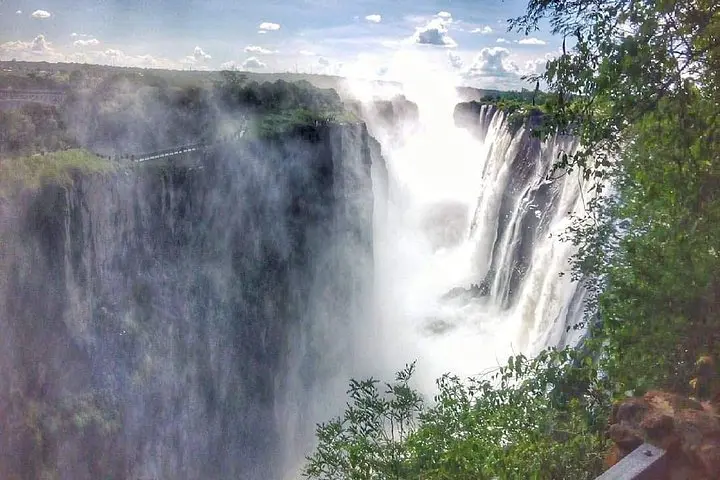
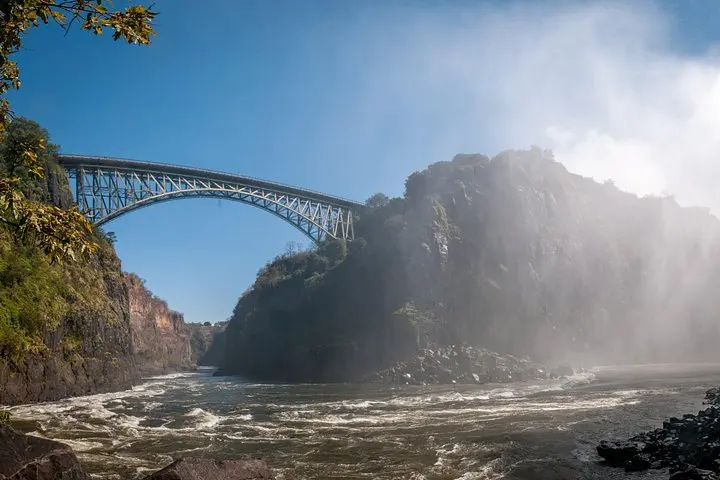
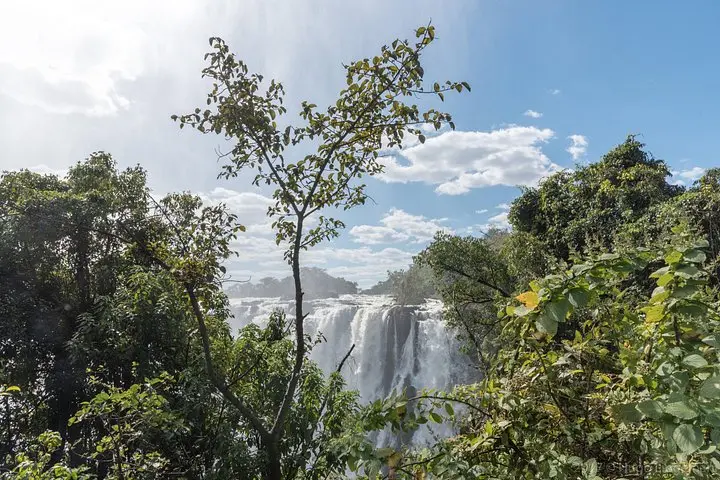
You arrive at the edge of the gorge and the falls announce themselves before you see them: spray rising like a moving cloud, the river pushing itself toward the drop. On a guided Victoria Falls tour from Livingstone you walk the network of paved viewpoints that frame the Main Falls and the Boiling Pot — paths that run along rainforest slick with spray and carved basalt cliffs that hold the river in place.
You arrive at the edge of the gorge and the falls announce themselves before you see them: spray rising like a moving cloud, the river pushing itself toward the drop. On a guided Victoria Falls tour from Livingstone you walk the network of paved viewpoints that frame the Main Falls and the Boiling Pot — paths that run along rainforest slick with spray and carved basalt cliffs that hold the river in place.
Geologically the falls mark a break in the Zambezi’s basalt plateau; the river has scoured a narrow chasm where the water tumbles and then churns in the pool below. Historically this place is Mosi-oa-Tunya — “The Smoke That Thunders” — first written about in the 19th century by David Livingstone and today protected as a UNESCO site. The tour mixes natural history and local stories: guides point out rock layers, seasonal changes in flow, and how the falls shaped the culture and economy of the region.
Expect easy walking, frequent viewpoints, and mist that dares you to keep your camera dry. Peak spray occurs in the wet season, when visibility can be dramatic but intimate; dry-season visits offer clearer lines of sight and more visible riverbeds.
Practical guidance: bring a waterproof layer, sturdy grippy shoes, and a lens cloth. Morning and late-afternoon visits avoid busier tour windows and catch the best light for rainbows. If you plan to cross to the Zimbabwe side or visit Livingstone Island, check visa rules and book extra excursions separately. The route is accessible to most visitors and delivers one of Africa’s most immediate nature encounters.