THE ADVENTURE COLLECTIVE® · Independent discovery and booking for outdoor travel

Stand on the Knife‑Edge and feel the spray of 550 million litres of water per minute as Victoria Falls roars into the Batoka Gorge. This concise visitor guide covers what you’ll see, why the geology matters, and how to prepare for a wet, spectacular 2–3 hour tour.
Stand on the Knife‑Edge and feel the spray of 550 million litres of water per minute as Victoria Falls roars into the Batoka Gorge. This concise visitor guide covers what you’ll see, why the geology matters, and how to prepare for a wet, spectacular 2–3 hour tour.
You step from the air‑conditioned transfer and the spray finds you first: a fine, cool mist hanging in the rainforest that clings to the lip of the Zambezi. Ahead, a 1.5‑kilometre curtain of water pitches 111 metres into the Batoka Gorge, a raw, thunderous presence that rearranges the air and your sense of scale.
Verified experiences and guided adventures in the surrounding area.
Operated by Revival Safaris and Tours · Livingstone, Southern Province
You step from the air‑conditioned transfer and the spray finds you first: a fine, cool mist hanging in the rainforest that clings to the lip of the Zambezi. Ahead, a 1.5‑kilometre curtain of water pitches 111 metres into the Batoka Gorge, a raw, thunderous presence that rearranges the air and your sense of scale.
Victoria Falls occupies a jagged seam between geology and myth. Carved by the Zambezi over millions of years, the falls spill across a basalt plateau split by deep gorges; the Knife‑Edge Bridge and stone viewpoints give immediate sense of the raw forces at work. Locally the falls are Mosi‑oa‑Tunya — "the smoke that thunders" — and the surrounding rainforest supports plant species rare elsewhere in Zambia because of the year‑round spray.
The Livingstone side concentrates viewpoints and cultural touchpoints: colonial history mixed with Tonga and Lozi cultural presence, local guides who combine geology with folktales. Peak flow follows the rainy season (typically late February–May) and creates the most dramatic plumes; low flow months reveal the lip and seasonal islands.
Practical guidance: tours run about 2–3 hours and are suitable for all fitness levels; expect paved paths, some stairs, and wet surfaces near viewpoints. Bring a waterproof layer and quick‑dry clothing, secure camera protection, and plan time for passport checks if crossing to the Zimbabwe side. Mornings offer cooler light and fewer crowds; afternoons bring fuller flow but heavier spray. Respect fenced viewpoints, stick to marked trails in the rainforest, and use local operators for transfers and interpretation to get the most from a short visit.
Typical tours last about 2–3 hours, enough time for main viewpoints on the Zambian side and short rainforest walks.
No—paths are mostly paved with some stairs; the tour is described as suitable for all fitness levels.
Yes—spray from the falls can be heavy near certain viewpoints, especially during high flow; waterproof gear is recommended.
You need a passport if you plan to cross into Zimbabwe; for views on the Zambian side only, carry ID and confirm any visa requirements ahead of time.
Revival Safaris and Tours operates guided outdoor trips and adventures with an emphasis on safety, stewardship, and memorable experiences.

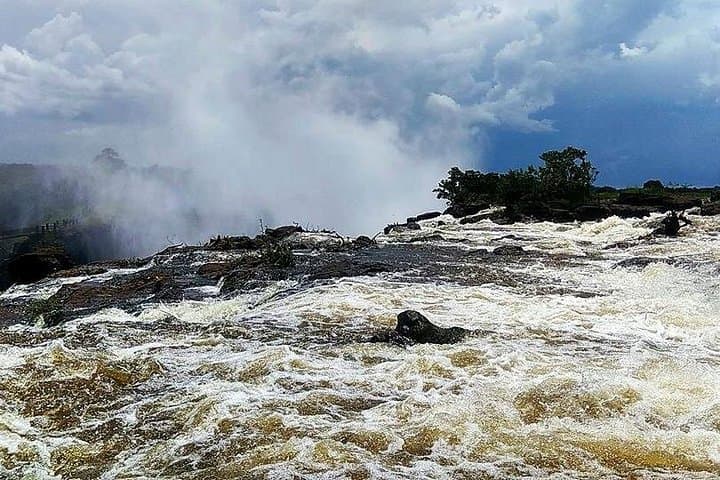

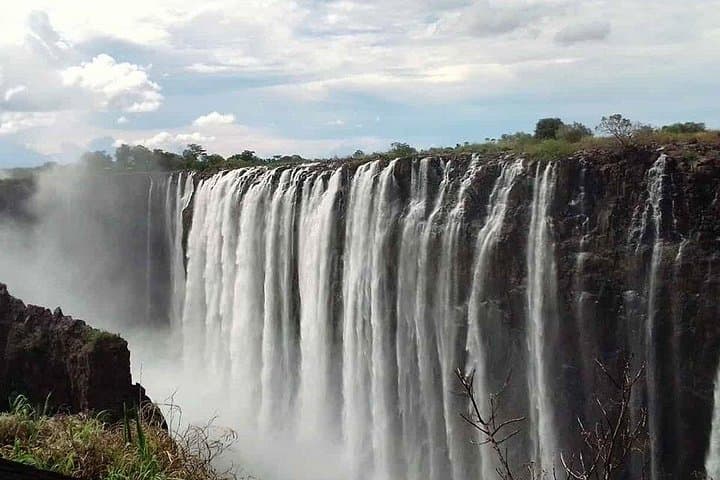
You step from the air‑conditioned transfer and the spray finds you first: a fine, cool mist hanging in the rainforest that clings to the lip of the Zambezi. Ahead, a 1.5‑kilometre curtain of water pitches 111 metres into the Batoka Gorge, a raw, thunderous presence that rearranges the air and your sense of scale.
You step from the air‑conditioned transfer and the spray finds you first: a fine, cool mist hanging in the rainforest that clings to the lip of the Zambezi. Ahead, a 1.5‑kilometre curtain of water pitches 111 metres into the Batoka Gorge, a raw, thunderous presence that rearranges the air and your sense of scale.
Victoria Falls occupies a jagged seam between geology and myth. Carved by the Zambezi over millions of years, the falls spill across a basalt plateau split by deep gorges; the Knife‑Edge Bridge and stone viewpoints give immediate sense of the raw forces at work. Locally the falls are Mosi‑oa‑Tunya — "the smoke that thunders" — and the surrounding rainforest supports plant species rare elsewhere in Zambia because of the year‑round spray.
The Livingstone side concentrates viewpoints and cultural touchpoints: colonial history mixed with Tonga and Lozi cultural presence, local guides who combine geology with folktales. Peak flow follows the rainy season (typically late February–May) and creates the most dramatic plumes; low flow months reveal the lip and seasonal islands.
Practical guidance: tours run about 2–3 hours and are suitable for all fitness levels; expect paved paths, some stairs, and wet surfaces near viewpoints. Bring a waterproof layer and quick‑dry clothing, secure camera protection, and plan time for passport checks if crossing to the Zimbabwe side. Mornings offer cooler light and fewer crowds; afternoons bring fuller flow but heavier spray. Respect fenced viewpoints, stick to marked trails in the rainforest, and use local operators for transfers and interpretation to get the most from a short visit.