THE ADVENTURE COLLECTIVE® · Independent discovery and booking for outdoor travel

Stand within the mist of Mosi‑oa‑Tunya and hear the Zambezi roar. This 2–3 hour Zimbabwe‑side tour combines rainforest boardwalks, multiple viewpoints and a visit to the local crafts center — ideal for first‑time visitors who want context and great photos.
Stand within the mist of Mosi‑oa‑Tunya and hear the Zambezi roar. This 2–3 hour Zimbabwe‑side tour combines rainforest boardwalks, multiple viewpoints and a visit to the local crafts center — ideal for first‑time visitors who want context and great photos.
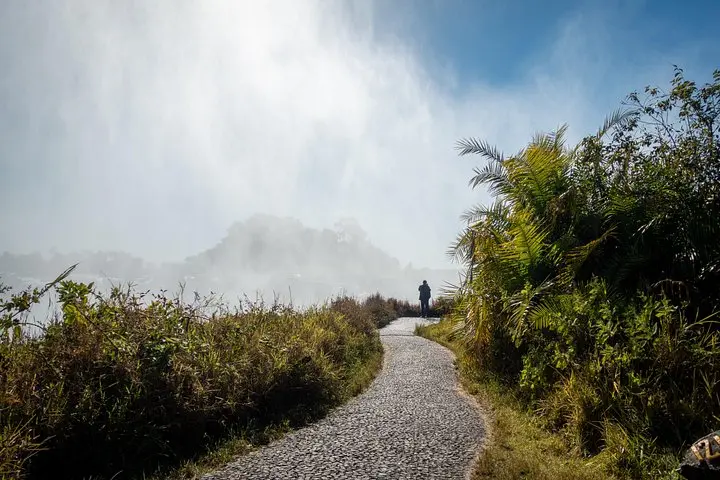
You step from the air‑conditioned vehicle into a curtain of mist and sound: the falls announce themselves before you see them. Footsteps on wet boardwalks, cool spray on your face and thunder that seems to come from the rock itself create a sensory opening to Mosi‑oa‑Tunya — the Smoke That Thunders.
Verified experiences and guided adventures in the surrounding area.
Operated by Treck Africa Safaris · Victoria Falls, Matabeleland North
You step from the air‑conditioned vehicle into a curtain of mist and sound: the falls announce themselves before you see them. Footsteps on wet boardwalks, cool spray on your face and thunder that seems to come from the rock itself create a sensory opening to Mosi‑oa‑Tunya — the Smoke That Thunders.
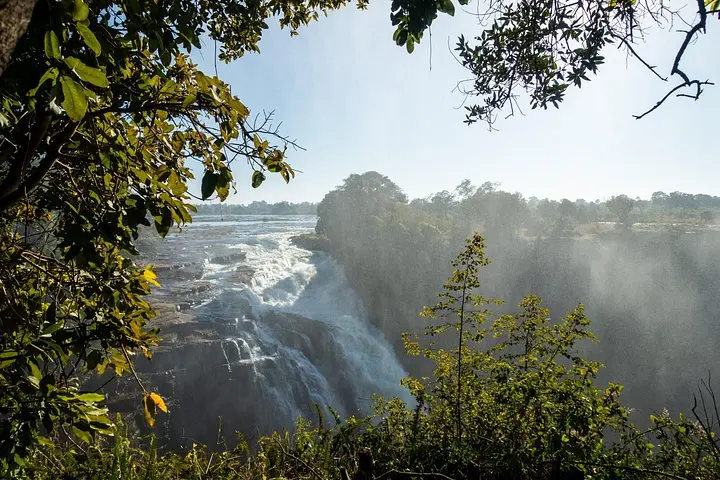
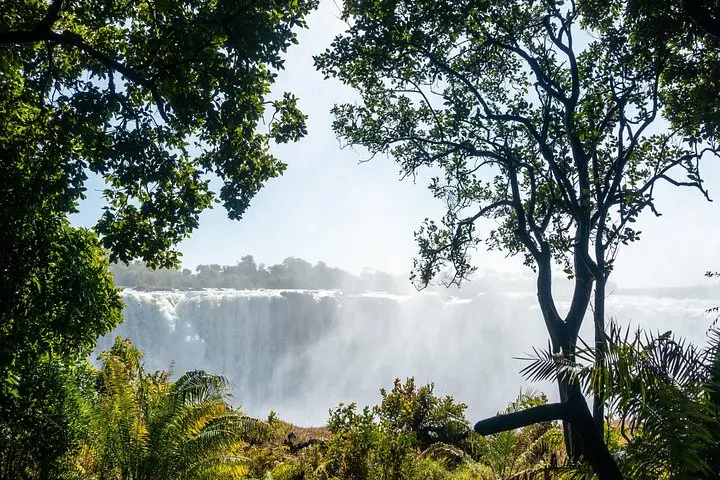
The Zimbabwean side of Victoria Falls offers a compact, interpretive experience. Geologically the falls mark the Zambezi’s descent over a basalt plateau, carving a 180‑metre gorge and producing the longest single curtain of falling water on Earth. Historically the site is both a sacred place for the Tonga people and the location where David Livingstone first reported the phenomenon to Europe in 1855. Nearby markets and craft centers continue a living cultural thread: artisans sell wood carvings, woven goods and batik that reflect local traditions.
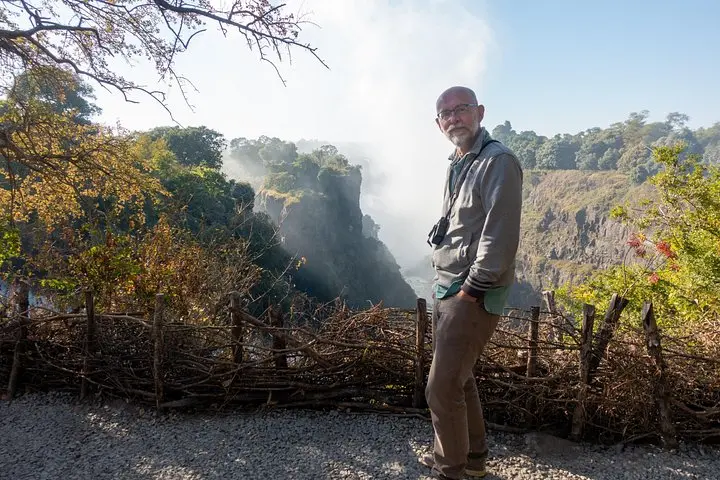
Practical guidance: tours typically run 2–3 hours and follow paved paths with several easy viewpoints including the Knife‑Edge Bridge and the Boiling Pot overlook. Expect heavy spray during high flow months — waterproof layers and protected cameras are wise. Early morning brings softer light and fewer visitors; late afternoon offers dramatic side lighting but more crowds. Guides cover history, safety and local etiquette, and many tours end with a stop at the adjacent craft market.
Accessibility is generally good; paths are maintained but can be slippery. Wear sturdy shoes with grip, carry water, and budget time for entry queues and photos. Respect ropes and barriers — the gorge is powerful and unforgiving.
Not always—many shared tours do not include park entry; confirm with the operator and have local currency or accepted payment ready for the gate fee.
Yes, heavy spray from the falls is common, especially during the high flow season (Dec–Apr); waterproof clothing and protected gear are recommended.
Portions of the main walkway and some viewpoints are wheelchair accessible, but some vantage points have steps or uneven surfaces—check with the operator for specific accessibility details.
For maximum water volume and thunderous spray visit Dec–Mar; for clearer vistas and exposed gorge features, late dry season (Aug–Nov) offers crisper views and less mist.
Treck Africa Safaris operates guided outdoor trips and adventures with an emphasis on safety, stewardship, and memorable experiences.
You step from the air‑conditioned vehicle into a curtain of mist and sound: the falls announce themselves before you see them. Footsteps on wet boardwalks, cool spray on your face and thunder that seems to come from the rock itself create a sensory opening to Mosi‑oa‑Tunya — the Smoke That Thunders.
You step from the air‑conditioned vehicle into a curtain of mist and sound: the falls announce themselves before you see them. Footsteps on wet boardwalks, cool spray on your face and thunder that seems to come from the rock itself create a sensory opening to Mosi‑oa‑Tunya — the Smoke That Thunders.
The Zimbabwean side of Victoria Falls offers a compact, interpretive experience. Geologically the falls mark the Zambezi’s descent over a basalt plateau, carving a 180‑metre gorge and producing the longest single curtain of falling water on Earth. Historically the site is both a sacred place for the Tonga people and the location where David Livingstone first reported the phenomenon to Europe in 1855. Nearby markets and craft centers continue a living cultural thread: artisans sell wood carvings, woven goods and batik that reflect local traditions.
Practical guidance: tours typically run 2–3 hours and follow paved paths with several easy viewpoints including the Knife‑Edge Bridge and the Boiling Pot overlook. Expect heavy spray during high flow months — waterproof layers and protected cameras are wise. Early morning brings softer light and fewer visitors; late afternoon offers dramatic side lighting but more crowds. Guides cover history, safety and local etiquette, and many tours end with a stop at the adjacent craft market.
Accessibility is generally good; paths are maintained but can be slippery. Wear sturdy shoes with grip, carry water, and budget time for entry queues and photos. Respect ropes and barriers — the gorge is powerful and unforgiving.