THE ADVENTURE COLLECTIVE® · Independent discovery and booking for outdoor travel

Ride the historic Peak Tram to Sky Terrace 428 and see Hong Kong from 428 meters above sea level. This quick guide covers what to expect—history, best times to visit, accessibility, and practical tips to make the most of the view.
Ride the historic Peak Tram to Sky Terrace 428 and see Hong Kong from 428 meters above sea level. This quick guide covers what to expect—history, best times to visit, accessibility, and practical tips to make the most of the view.
The tram lurches forward, wood and steel creaking as Hong Kong folds beneath you—glass towers, harbors of light and a ribbon of green rising toward the summit. The ascent is both mechanical and ceremonial: windows frame the skyline, the city compresses and then spills open upon arrival at The Peak Tower and Sky Terrace 428.
Verified experiences and guided adventures in the surrounding area.
Operated by Trevopedia Wonders · Hong Kong, Hong Kong SAR
The tram lurches forward, wood and steel creaking as Hong Kong folds beneath you—glass towers, harbors of light and a ribbon of green rising toward the summit. The ascent is both mechanical and ceremonial: windows frame the skyline, the city compresses and then spills open upon arrival at The Peak Tower and Sky Terrace 428.
The Peak Tram began carrying passengers in 1888, originally serving colonial residents who sought cooler air and views. The line climbs roughly 1.27 km from near sea level to the Peak area, rising from about 33 m to 396 m above sea level; Sky Terrace 428 sits at 428 m and provides a true 360-degree vantage. Geologically, Hong Kong Island’s steep slopes are the product of ancient granitic uplift and erosion, giving the Peak its dramatic cliffs and forested gullies. Culturally, the Peak has long mixed local leisure with colonial-era architecture and modern retail—expect a tourist-ready blend of restaurants, markets, and viewing platforms.
For planning: aim for early morning or after sunset for the best light and thinner crowds; the tram can have queues but mobile tickets streamline entry. The site is largely wheelchair accessible and suitable for most fitness levels, but surfaces can be slick after rain. Combine your visit with the short Peak Circle Walk for quieter views and better birdwatching. Bring a light layer against hilltop breezes, a charged camera, and patience—views change by the minute as ferries, clouds, and light rearrange the city below.
Plan 2–4 hours to allow for tram queues, rooftop viewing time, and a short walk around The Peak Tower or Peak Circle Walk.
Yes; the tram and Sky Terrace have wheelchair-accessible options and accessible surfaces throughout most areas.
Yes, but lines can be long; purchasing a mobile ticket in advance reduces wait time and secures the time slot.
Early morning on weekdays or later in the evening after sunset typically have fewer visitors and improved lighting for photos.
Trevopedia Wonders operates guided outdoor trips and adventures with an emphasis on safety, stewardship, and memorable experiences.
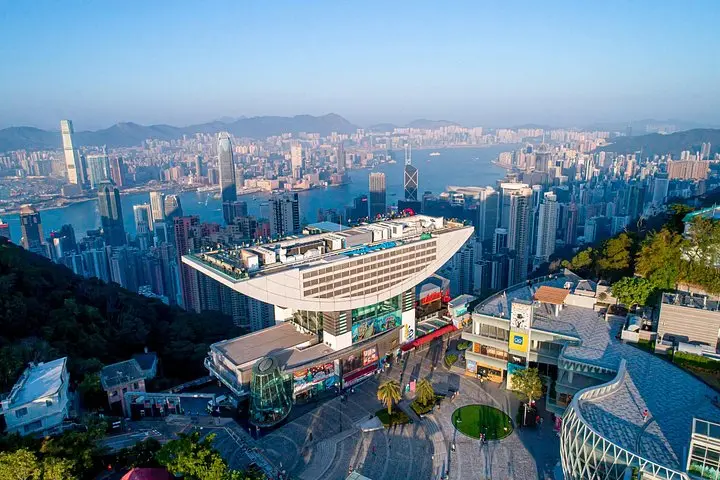
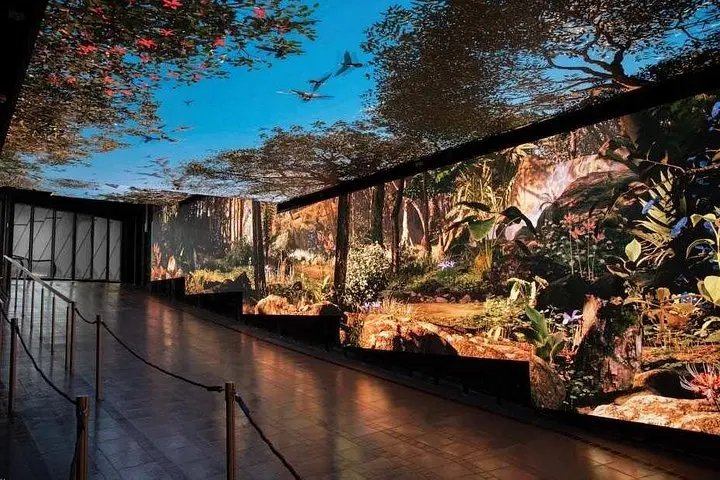
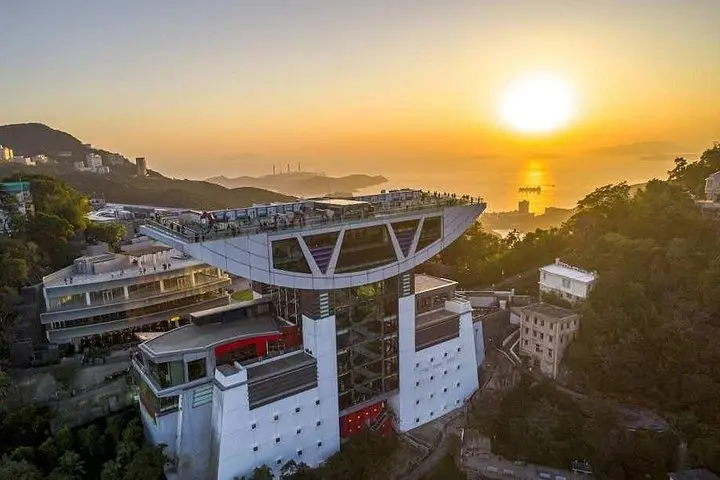
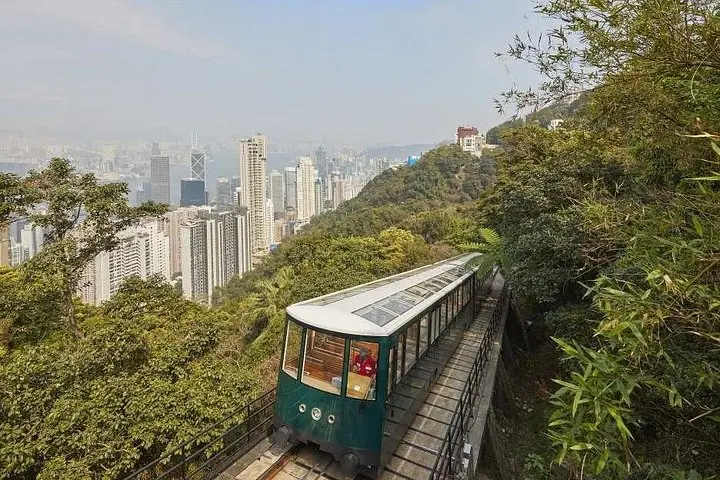
The tram lurches forward, wood and steel creaking as Hong Kong folds beneath you—glass towers, harbors of light and a ribbon of green rising toward the summit. The ascent is both mechanical and ceremonial: windows frame the skyline, the city compresses and then spills open upon arrival at The Peak Tower and Sky Terrace 428.
The tram lurches forward, wood and steel creaking as Hong Kong folds beneath you—glass towers, harbors of light and a ribbon of green rising toward the summit. The ascent is both mechanical and ceremonial: windows frame the skyline, the city compresses and then spills open upon arrival at The Peak Tower and Sky Terrace 428.
The Peak Tram began carrying passengers in 1888, originally serving colonial residents who sought cooler air and views. The line climbs roughly 1.27 km from near sea level to the Peak area, rising from about 33 m to 396 m above sea level; Sky Terrace 428 sits at 428 m and provides a true 360-degree vantage. Geologically, Hong Kong Island’s steep slopes are the product of ancient granitic uplift and erosion, giving the Peak its dramatic cliffs and forested gullies. Culturally, the Peak has long mixed local leisure with colonial-era architecture and modern retail—expect a tourist-ready blend of restaurants, markets, and viewing platforms.
For planning: aim for early morning or after sunset for the best light and thinner crowds; the tram can have queues but mobile tickets streamline entry. The site is largely wheelchair accessible and suitable for most fitness levels, but surfaces can be slick after rain. Combine your visit with the short Peak Circle Walk for quieter views and better birdwatching. Bring a light layer against hilltop breezes, a charged camera, and patience—views change by the minute as ferries, clouds, and light rearrange the city below.