THE ADVENTURE COLLECTIVE® · Independent discovery and booking for outdoor travel

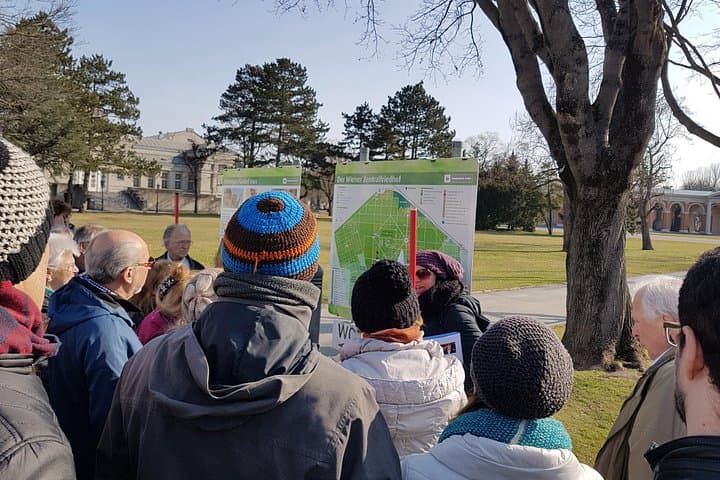
Walk Vienna’s Central Cemetery with guide Sandra Blum and discover the city’s social history through monuments, composers’ memorials and quiet, tree-lined avenues. This private, accessible tour blends storytelling with practical local insight.
Walk Vienna’s Central Cemetery with guide Sandra Blum and discover the city’s social history through monuments, composers’ memorials and quiet, tree-lined avenues. This private, accessible tour blends storytelling with practical local insight.
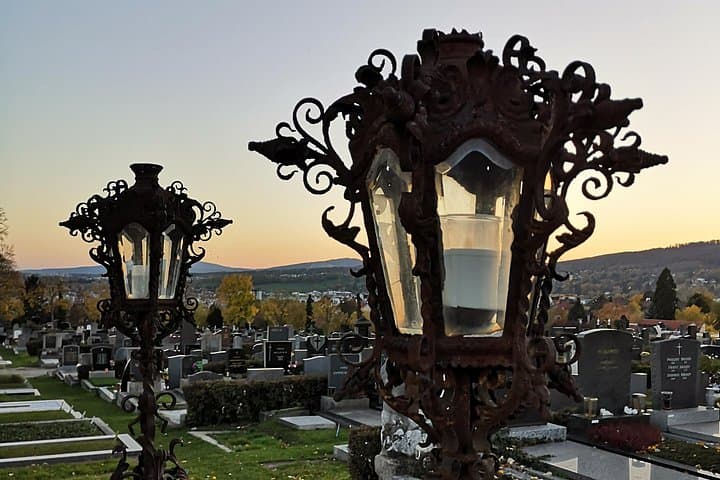
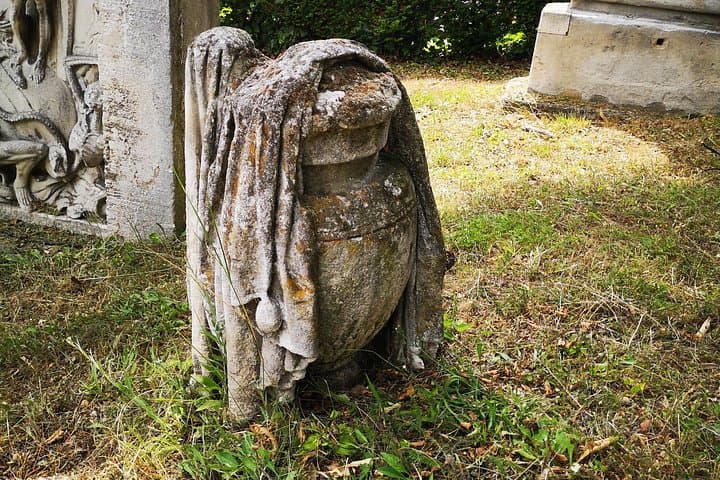
The path opens beneath a row of plane trees that seem to lean in and listen. Gravel crunches underfoot, marble and bronze glint through branches, and the air has the slow, deliberate rhythm of a place that measures time differently. On Sandra Blum’s City of the Dead walk, Vienna’s Central Cemetery becomes a lived-in archive: stone faces, ornate monuments and quiet lanes that guide visitors through chapters of the city's history.
Verified experiences and guided adventures in the surrounding area.
Operated by Sandra Blum - Safu - exklusiv Wien entdecken · Vienna, Vienna
The path opens beneath a row of plane trees that seem to lean in and listen. Gravel crunches underfoot, marble and bronze glint through branches, and the air has the slow, deliberate rhythm of a place that measures time differently. On Sandra Blum’s City of the Dead walk, Vienna’s Central Cemetery becomes a lived-in archive: stone faces, ornate monuments and quiet lanes that guide visitors through chapters of the city's history.
Opened in 1874, the Zentralfriedhof is one of Europe’s largest cemeteries and a map of Vienna’s cultural memory—composers, politicians and ordinary citizens all given space in the same green expanse. Geologically the cemetery sits on the flat Vienna Basin; soils are deep and well-drained, which allows mature avenues of trees to dominate the landscape and give the grounds a park-like scale. Culturally, the cemetery reflects Vienna’s 19th- and 20th-century civic planning: grand memorials, dedicated sections for denominations and a musicians’ area that draws people interested in Austria’s musical heritage.
Expect anecdotes about famous names, local funerary customs, and small architectural details that reveal social history. The tour moves at a walking pace and covers long, level distances with many paved routes—accessible for most people. Practical tips: arrive by public transit, bring water and respectful clothing, and allow 2–2.5 hours. Photography is common but keep voices low and respect grave markers. For planners: the walk is wheelchair accessible and suitable for small private groups; check language and accessibility needs when booking. The Central Cemetery is both a study in urban memory and a quiet outdoor walk—stately, practical, and quietly alive.
The tour runs about 135 minutes (approximately 2–2.5 hours) and moves at a steady walking pace with regular stops.
Yes—paths and surfaces noted by the operator are wheelchair accessible; tell the guide your needs when booking.
Language options vary by guide and schedule; confirm the tour language when you book to ensure it meets your needs.
Dogs and picnics are generally discouraged out of respect for the site; check with the operator for specific rules or exceptions.
Sandra Blum - Safu - exklusiv Wien entdecken operates guided outdoor trips and adventures with an emphasis on safety, stewardship, and memorable experiences.
The path opens beneath a row of plane trees that seem to lean in and listen. Gravel crunches underfoot, marble and bronze glint through branches, and the air has the slow, deliberate rhythm of a place that measures time differently. On Sandra Blum’s City of the Dead walk, Vienna’s Central Cemetery becomes a lived-in archive: stone faces, ornate monuments and quiet lanes that guide visitors through chapters of the city's history.
The path opens beneath a row of plane trees that seem to lean in and listen. Gravel crunches underfoot, marble and bronze glint through branches, and the air has the slow, deliberate rhythm of a place that measures time differently. On Sandra Blum’s City of the Dead walk, Vienna’s Central Cemetery becomes a lived-in archive: stone faces, ornate monuments and quiet lanes that guide visitors through chapters of the city's history.
Opened in 1874, the Zentralfriedhof is one of Europe’s largest cemeteries and a map of Vienna’s cultural memory—composers, politicians and ordinary citizens all given space in the same green expanse. Geologically the cemetery sits on the flat Vienna Basin; soils are deep and well-drained, which allows mature avenues of trees to dominate the landscape and give the grounds a park-like scale. Culturally, the cemetery reflects Vienna’s 19th- and 20th-century civic planning: grand memorials, dedicated sections for denominations and a musicians’ area that draws people interested in Austria’s musical heritage.
Expect anecdotes about famous names, local funerary customs, and small architectural details that reveal social history. The tour moves at a walking pace and covers long, level distances with many paved routes—accessible for most people. Practical tips: arrive by public transit, bring water and respectful clothing, and allow 2–2.5 hours. Photography is common but keep voices low and respect grave markers. For planners: the walk is wheelchair accessible and suitable for small private groups; check language and accessibility needs when booking. The Central Cemetery is both a study in urban memory and a quiet outdoor walk—stately, practical, and quietly alive.