THE ADVENTURE COLLECTIVE® · Independent discovery and booking for outdoor travel

Trace secretive symbols and public addresses across Vienna’s Inner Stadt on a private walking tour that connects Mozart, later notable figures and enduring Masonic markers. This 1.5–2 hour exterior-focused walk decodes emblems carved in stone and the city history they reveal.
Trace secretive symbols and public addresses across Vienna’s Inner Stadt on a private walking tour that connects Mozart, later notable figures and enduring Masonic markers. This 1.5–2 hour exterior-focused walk decodes emblems carved in stone and the city history they reveal.
You step off a tram into Vienna’s inner ring and the city’s stone faces begin to tell a different story: emblems carved above doorways, discreet plaques, staircases that once led to private lodge rooms. The guide threads these clues together, pointing out the marks and names that link Enlightenment salons to later industrialists and artists.
Verified experiences and guided adventures in the surrounding area.
Operated by Sandra Blum - Safu - exklusiv Wien entdecken · Vienna, Vienna
You step off a tram into Vienna’s inner ring and the city’s stone faces begin to tell a different story: emblems carved above doorways, discreet plaques, staircases that once led to private lodge rooms. The guide threads these clues together, pointing out the marks and names that link Enlightenment salons to later industrialists and artists.
Freemasonry in Vienna gained prominence in the late 18th and 19th centuries, intersecting with music, politics and the wider European Enlightenment. Mozart was a member of a Viennese lodge; later centuries left more subtle traces — addresses, meeting houses and symbols on civic architecture. Geologically the route runs across flat terrain of the Vienna Basin, along streets that follow centuries-old urban patterns rather than rugged landscape, so the walk is more about reading history in stone than gaining altitude.
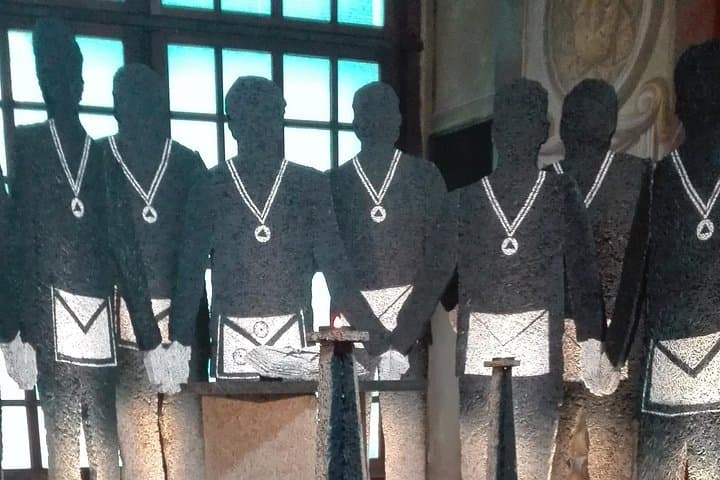
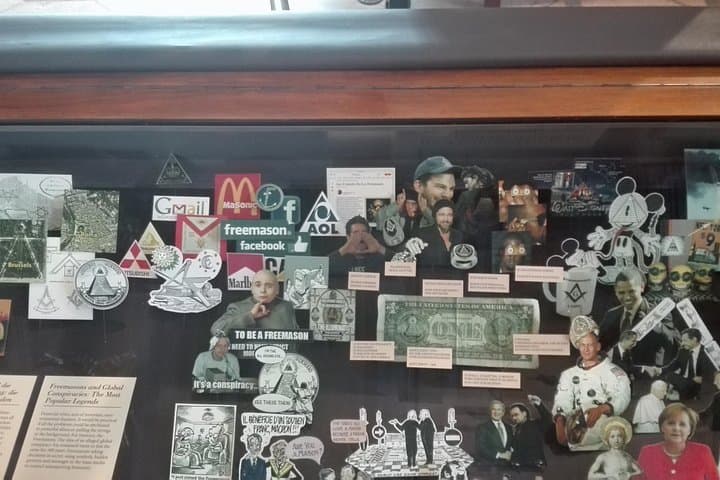
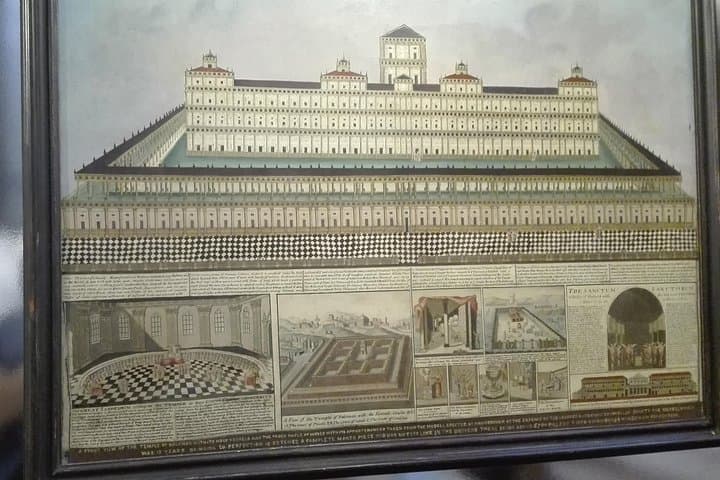
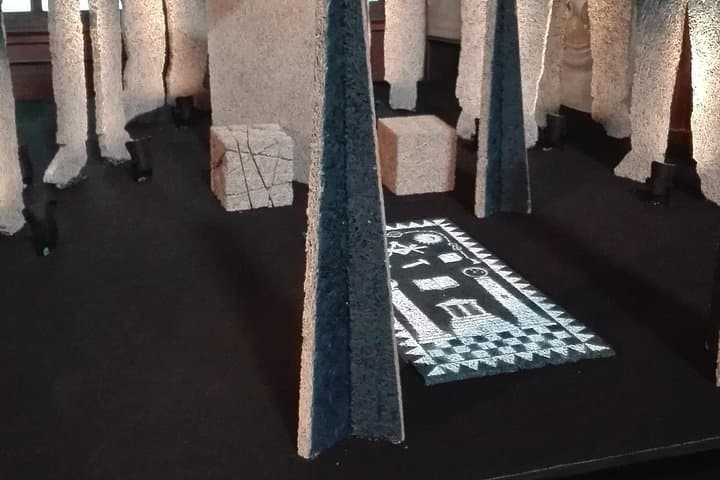
Culturally the tour highlights how an international brotherhood left local marks: façades, commemorative plaques and neighborhood addresses where meetings took place. Expect commentary on notable members, public perception of secrecy, and how lodges fit within Vienna’s social fabric.
Practically, this is a mostly exterior walking tour of roughly 1.5–2 hours. The guide focuses on streets and building exteriors — entrances to museums or lodges are not included. Wear comfortable shoes, bring a light rain layer, and allow time for public-transport arrival and a coffee break afterward. Groups are small and private by design; minimum and cancellation policies apply, so confirm logistics before you go.
No — this tour focuses on exterior emblems and addresses; admissions to interiors are not included in the standard itinerary.
Yes — the content is adapted for general audiences, though parents should note that the subject touches on historical social organizations and symbolism.
Tour language can vary; check the listing or confirm with the operator at booking to ensure availability in English or other requested languages.
The walking route starts in central Vienna and is accessible by tram, U-Bahn and regional buses—use the city’s public-transport network to arrive easily.
Sandra Blum - Safu - exklusiv Wien entdecken operates guided outdoor trips and adventures with an emphasis on safety, stewardship, and memorable experiences.
You step off a tram into Vienna’s inner ring and the city’s stone faces begin to tell a different story: emblems carved above doorways, discreet plaques, staircases that once led to private lodge rooms. The guide threads these clues together, pointing out the marks and names that link Enlightenment salons to later industrialists and artists.
You step off a tram into Vienna’s inner ring and the city’s stone faces begin to tell a different story: emblems carved above doorways, discreet plaques, staircases that once led to private lodge rooms. The guide threads these clues together, pointing out the marks and names that link Enlightenment salons to later industrialists and artists.
Freemasonry in Vienna gained prominence in the late 18th and 19th centuries, intersecting with music, politics and the wider European Enlightenment. Mozart was a member of a Viennese lodge; later centuries left more subtle traces — addresses, meeting houses and symbols on civic architecture. Geologically the route runs across flat terrain of the Vienna Basin, along streets that follow centuries-old urban patterns rather than rugged landscape, so the walk is more about reading history in stone than gaining altitude.
Culturally the tour highlights how an international brotherhood left local marks: façades, commemorative plaques and neighborhood addresses where meetings took place. Expect commentary on notable members, public perception of secrecy, and how lodges fit within Vienna’s social fabric.
Practically, this is a mostly exterior walking tour of roughly 1.5–2 hours. The guide focuses on streets and building exteriors — entrances to museums or lodges are not included. Wear comfortable shoes, bring a light rain layer, and allow time for public-transport arrival and a coffee break afterward. Groups are small and private by design; minimum and cancellation policies apply, so confirm logistics before you go.