THE ADVENTURE COLLECTIVE® · Independent discovery and booking for outdoor travel

Explore Vienna at your own pace on a self-guided walking tour from the Hofburg to Schönbrunn. Mix imperial history, world-class art, and bustling market culture with practical tips for timing, tickets, and terrain.
Explore Vienna at your own pace on a self-guided walking tour from the Hofburg to Schönbrunn. Mix imperial history, world-class art, and bustling market culture with practical tips for timing, tickets, and terrain.
You step out of the Hofburg’s shadow as morning light picks out the carved stone, and the city exhales in trams and coffee steam. Cobblestones click beneath your shoes while the Danube Canal nudges you with graffiti-bright banks; streets fold into squares where baroque facades keep watch and the scent of roasting chestnuts drifts from Naschmarkt.
Verified experiences and guided adventures in the surrounding area.
Operated by CloudGuide S.L · Vienna, Vienna
You step out of the Hofburg’s shadow as morning light picks out the carved stone, and the city exhales in trams and coffee steam. Cobblestones click beneath your shoes while the Danube Canal nudges you with graffiti-bright banks; streets fold into squares where baroque facades keep watch and the scent of roasting chestnuts drifts from Naschmarkt.
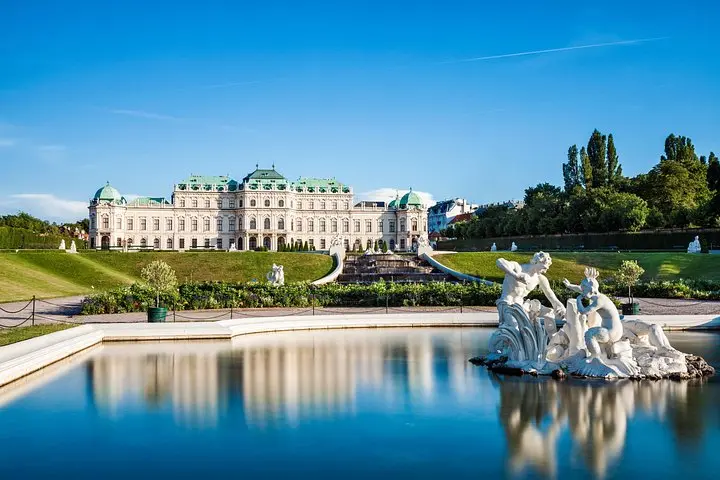
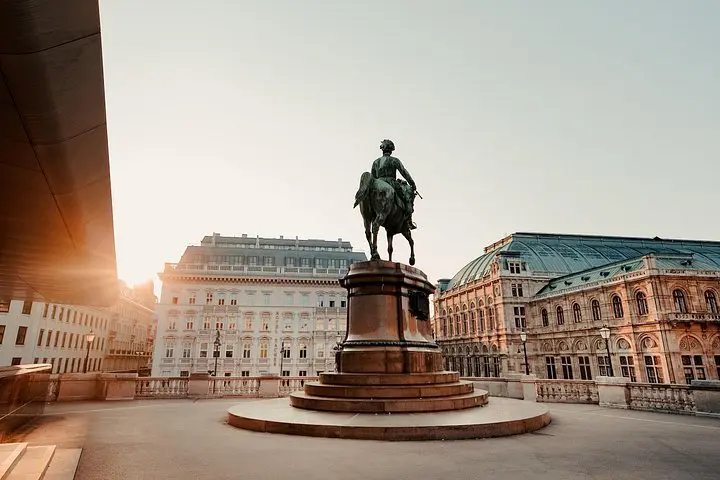
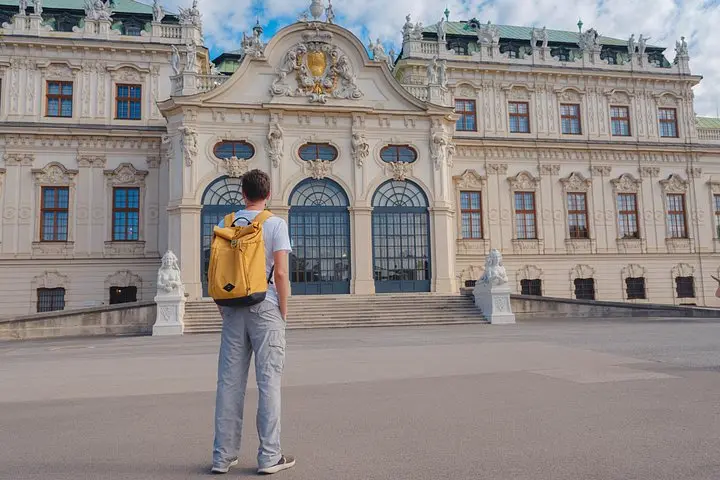
This route threads Vienna’s imperial spine: Hofburg, Michaelerplatz and St. Stephen’s—sites shaped by the Habsburg dynasty—and continues through galleries rich in 19th- and 20th-century art, to the Belvedere’s Klimt and the palace gardens of Schönbrunn. Geologically the city sits in the Vienna Basin, its low relief making for easy walking but a dense urban fabric where Roman remains peek out under modern pavement. Musicians’ echoes—Mozart’s and the Opera’s—are part of daily life here; cafes and markets carry that living culture.
Practical guidance: plan a full day (about 7–8 hours) if you want interiors; otherwise 3–4 hours for an exterior-focused loop. Expect 8–12 km of walking on paved streets and cobbles, with occasional stairs in museums and church towers. Use the self-guided app for pacing and offline maps; reserve timed-entry tickets for Schönbrunn, the Albertina or major museums to skip queues. Start early to avoid crowds at St. Stephen’s, wear supportive shoes for cobbles, and carry a refillable bottle—the city’s tap water is excellent. Public transport links let you shorten the loop mid-day if needed, and a late-afternoon coffee at a courtyard cafe provides a deliberate, civilized pause.
For major attractions like Schönbrunn Palace or the Albertina, book timed-entry tickets to avoid queues; for plazas and exterior views no ticket is required.
Central areas and major museums generally have ramps and elevators, but historic streets include cobblestones and some buildings have limited access—check specific sites before visiting.
A full loop with visits covers roughly 8–12 km depending on which interiors you enter; you can shorten the day by using trams or the U-Bahn between major sites.
Yes—English is commonly understood in tourist areas, museums and cafes, but learning a few German phrases is appreciated by locals.
CloudGuide S.L operates guided outdoor trips and adventures with an emphasis on safety, stewardship, and memorable experiences.

You step out of the Hofburg’s shadow as morning light picks out the carved stone, and the city exhales in trams and coffee steam. Cobblestones click beneath your shoes while the Danube Canal nudges you with graffiti-bright banks; streets fold into squares where baroque facades keep watch and the scent of roasting chestnuts drifts from Naschmarkt.
You step out of the Hofburg’s shadow as morning light picks out the carved stone, and the city exhales in trams and coffee steam. Cobblestones click beneath your shoes while the Danube Canal nudges you with graffiti-bright banks; streets fold into squares where baroque facades keep watch and the scent of roasting chestnuts drifts from Naschmarkt.
This route threads Vienna’s imperial spine: Hofburg, Michaelerplatz and St. Stephen’s—sites shaped by the Habsburg dynasty—and continues through galleries rich in 19th- and 20th-century art, to the Belvedere’s Klimt and the palace gardens of Schönbrunn. Geologically the city sits in the Vienna Basin, its low relief making for easy walking but a dense urban fabric where Roman remains peek out under modern pavement. Musicians’ echoes—Mozart’s and the Opera’s—are part of daily life here; cafes and markets carry that living culture.
Practical guidance: plan a full day (about 7–8 hours) if you want interiors; otherwise 3–4 hours for an exterior-focused loop. Expect 8–12 km of walking on paved streets and cobbles, with occasional stairs in museums and church towers. Use the self-guided app for pacing and offline maps; reserve timed-entry tickets for Schönbrunn, the Albertina or major museums to skip queues. Start early to avoid crowds at St. Stephen’s, wear supportive shoes for cobbles, and carry a refillable bottle—the city’s tap water is excellent. Public transport links let you shorten the loop mid-day if needed, and a late-afternoon coffee at a courtyard cafe provides a deliberate, civilized pause.