THE ADVENTURE COLLECTIVE® · Independent discovery and booking for outdoor travel

Explore Vienna at your own pace with a smartphone audioguide covering 29 landmarks — from St. Stephen’s Cathedral to the Hofburg. This 2½‑hour self‑guided route pairs offline maps and historian narration so you can pause, detour and savor the city’s music, architecture and cafés.
Explore Vienna at your own pace with a smartphone audioguide covering 29 landmarks — from St. Stephen’s Cathedral to the Hofburg. This 2½‑hour self‑guided route pairs offline maps and historian narration so you can pause, detour and savor the city’s music, architecture and cafés.
You step out of a narrow alley and the city opens: the slate roof spikes of St. Stephen's thrust skyward, trams hum on Ringstraße, and a street musician threads a waltz through the air. This self‑guided walking tour lets the city set the pace — corners, cafés and imperial façades reveal themselves as you follow an offline map and historian-narrated clips on your phone.
Verified experiences and guided adventures in the surrounding area.
Operated by TouringBee · Vienna, Vienna
You step out of a narrow alley and the city opens: the slate roof spikes of St. Stephen's thrust skyward, trams hum on Ringstraße, and a street musician threads a waltz through the air. This self‑guided walking tour lets the city set the pace — corners, cafés and imperial façades reveal themselves as you follow an offline map and historian-narrated clips on your phone.
Vienna sits atop Roman roads and Habsburg ambitions. The route threads 29 points of interest — from Gothic St. Stephen’s and the Hofburg’s imperial courtyards to Mozart’s bronze figure in Burggarten and the intimate rooms of Beethoven’s house — each stop layered with civic, musical and religious history. The stone of Michaelerplatz keeps traces of Roman foundations; Baroque fountains mark recoveries from plague and war; cafés carry the culture of 19th‑century salons.
Practical travel: the tour runs about 150 minutes but is modular — pause for coffee at Demel or a concert at St. Peter’s. The app provides one‑year access, offline maps and 29 audio segments narrated by a professional historian. Bring comfortable shoes for mostly flat cobblestone streets, earbuds for clearer audio, and a power bank — your battery runs the tour and your camera.
Timing matters: mornings are quieter at major sights; late afternoons light the palaces warmly. Respect memorials and cathedral rules, use public transit to return to your hotel, and allow time to wander side streets — Vienna rewards detours.
After booking you receive access to the app; download it on iOS or Android, activate your purchase, and download the offline audio and map.
No — it’s self‑guided. The audio is pre‑recorded by a professional historian and the route is shown on an offline map so you can go at your own pace.
Yes — the tour is modular. Pause audio at any stop, explore a side street or café, and resume when ready; the offline map helps you rejoin the route.
No — this tour provides audio and route guidance only; admission to paid attractions like the Imperial Crypt or certain museums must be purchased separately.
TouringBee operates guided outdoor trips and adventures with an emphasis on safety, stewardship, and memorable experiences.
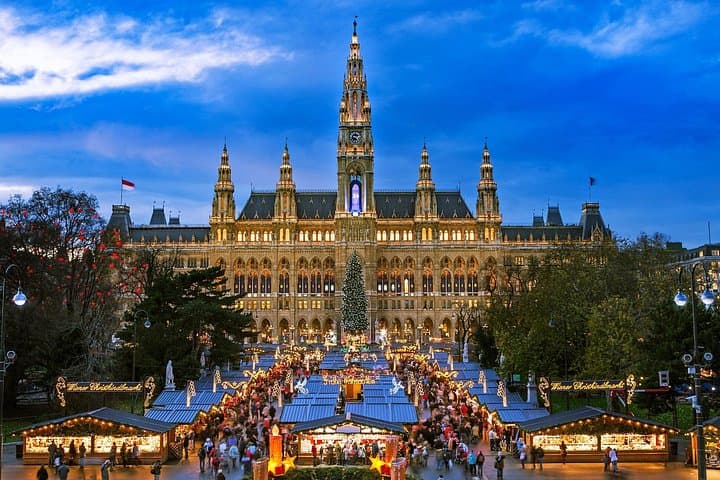
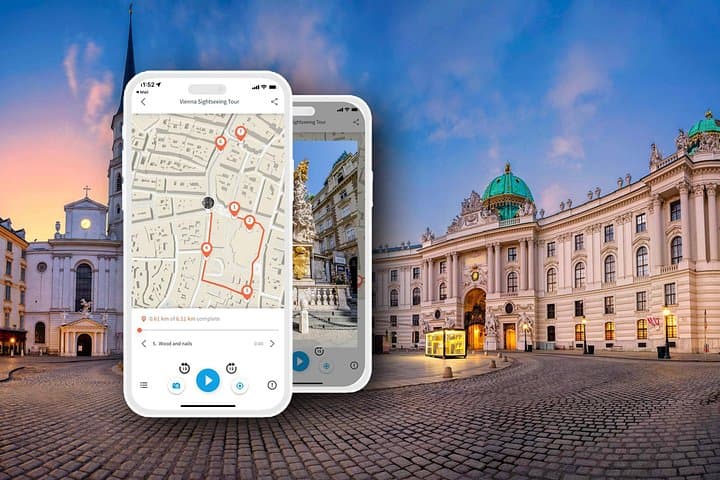
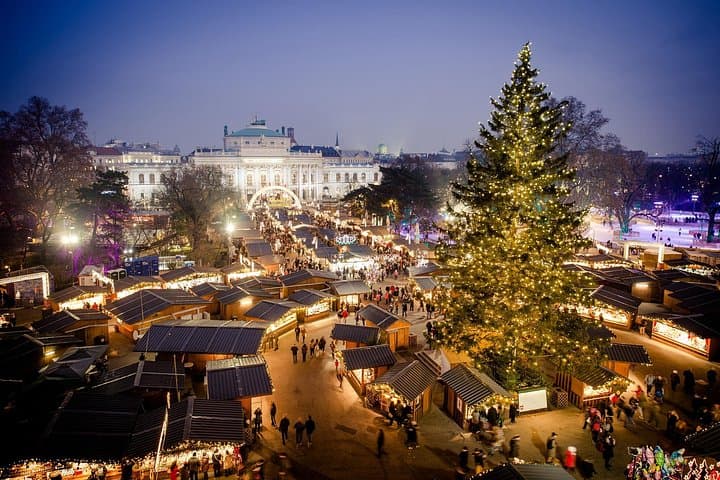
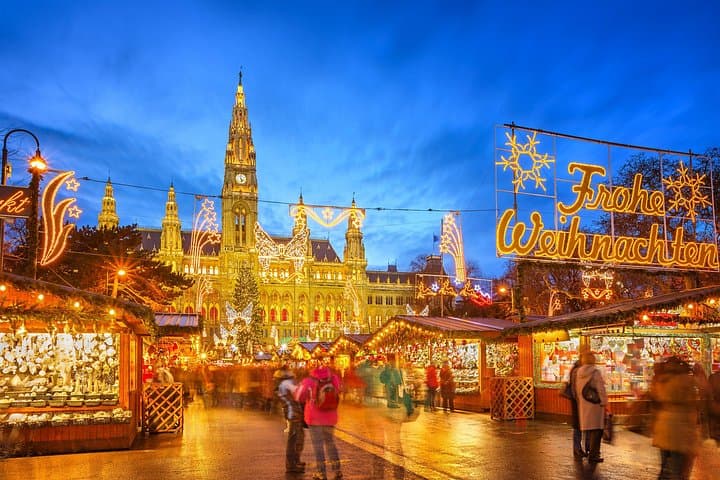
You step out of a narrow alley and the city opens: the slate roof spikes of St. Stephen's thrust skyward, trams hum on Ringstraße, and a street musician threads a waltz through the air. This self‑guided walking tour lets the city set the pace — corners, cafés and imperial façades reveal themselves as you follow an offline map and historian-narrated clips on your phone.
You step out of a narrow alley and the city opens: the slate roof spikes of St. Stephen's thrust skyward, trams hum on Ringstraße, and a street musician threads a waltz through the air. This self‑guided walking tour lets the city set the pace — corners, cafés and imperial façades reveal themselves as you follow an offline map and historian-narrated clips on your phone.
Vienna sits atop Roman roads and Habsburg ambitions. The route threads 29 points of interest — from Gothic St. Stephen’s and the Hofburg’s imperial courtyards to Mozart’s bronze figure in Burggarten and the intimate rooms of Beethoven’s house — each stop layered with civic, musical and religious history. The stone of Michaelerplatz keeps traces of Roman foundations; Baroque fountains mark recoveries from plague and war; cafés carry the culture of 19th‑century salons.
Practical travel: the tour runs about 150 minutes but is modular — pause for coffee at Demel or a concert at St. Peter’s. The app provides one‑year access, offline maps and 29 audio segments narrated by a professional historian. Bring comfortable shoes for mostly flat cobblestone streets, earbuds for clearer audio, and a power bank — your battery runs the tour and your camera.
Timing matters: mornings are quieter at major sights; late afternoons light the palaces warmly. Respect memorials and cathedral rules, use public transit to return to your hotel, and allow time to wander side streets — Vienna rewards detours.