THE ADVENTURE COLLECTIVE® · Independent discovery and booking for outdoor travel

Drive from Vienna into the Austrian Lake District for a private full-day tour to Hallstatt. Explore a UNESCO-linked Alpine village, learn about ancient salt mining, and enjoy lakeside views with plenty of practical tips for timing your visit.
Drive from Vienna into the Austrian Lake District for a private full-day tour to Hallstatt. Explore a UNESCO-linked Alpine village, learn about ancient salt mining, and enjoy lakeside views with plenty of practical tips for timing your visit.
Morning in Vienna begins with the hum of an engine and the slow unwinding of the city as the road rises into the Alps. Within an hour the flat Danube valley gives way to folded limestone ridges; by mid-morning the car pulls into a narrow valley where Hallstatt’s slate roofs crouch against a polished lake. The town feels deliberate—streets that force you to slow, a lake that presses the mountains to the edge of the village like a crowding audience.
Verified experiences and guided adventures in the surrounding area.
Operated by Visita Praga · Hallstatt, Upper Austria
Morning in Vienna begins with the hum of an engine and the slow unwinding of the city as the road rises into the Alps. Within an hour the flat Danube valley gives way to folded limestone ridges; by mid-morning the car pulls into a narrow valley where Hallstatt’s slate roofs crouch against a polished lake. The town feels deliberate—streets that force you to slow, a lake that presses the mountains to the edge of the village like a crowding audience.
Hallstatt’s bones are older than many nations: salt was mined here since the Bronze and Iron Ages and the surrounding Dachstein limestone tells a story of glaciers carving deep basins. Schloss Ort punctuates nearby Traunsee, its island keep framing the region’s medieval and Habsburg-era commerce. Culturally, this is a working Alpine community with traditions in woodcraft, salt production and small-scale tourism.
Practically, expect about 3.5–4 hours’ drive each way (roughly 290 km total), with roughly five hours to explore Hallstatt itself—time to visit the market square, photograph views from the salt mine funicular and walk the lakeshore. Terrain is cobbled and often steep; the Dachstein cliffs can throw sudden wind and shade. Bring layered clothing, sturdy shoes for wet cobbles, and a compact rain shell. Time your visit early or late in the day to avoid the largest cruise-and-bus crowds. Hydrate, carry local-currency euros for small vendors, and allow a flexible return window—mountain roads and weather will set the pace.
Expect about 3.5–4 hours each way by car depending on traffic and conditions; the full tour is roughly 11 hours including sightseeing time.
This private trip includes transportation and guide services but admissions (salt mine, museum) are typically paid on site unless specifically listed in the booking details.
The vehicle and transfers are wheelchair accessible, but Hallstatt’s streets and sightseeing viewpoints include steep, cobbled areas that may limit mobility on foot.
Yes—private transportation and an English-speaking driver-guide allow for flexible stops, but confirm any specific requests at booking to plan time accordingly.
Visita Praga operates guided outdoor trips and adventures with an emphasis on safety, stewardship, and memorable experiences.


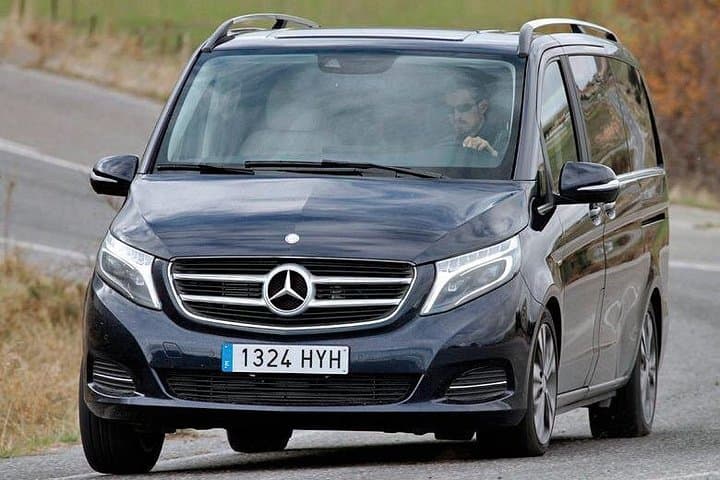

Morning in Vienna begins with the hum of an engine and the slow unwinding of the city as the road rises into the Alps. Within an hour the flat Danube valley gives way to folded limestone ridges; by mid-morning the car pulls into a narrow valley where Hallstatt’s slate roofs crouch against a polished lake. The town feels deliberate—streets that force you to slow, a lake that presses the mountains to the edge of the village like a crowding audience.
Morning in Vienna begins with the hum of an engine and the slow unwinding of the city as the road rises into the Alps. Within an hour the flat Danube valley gives way to folded limestone ridges; by mid-morning the car pulls into a narrow valley where Hallstatt’s slate roofs crouch against a polished lake. The town feels deliberate—streets that force you to slow, a lake that presses the mountains to the edge of the village like a crowding audience.
Hallstatt’s bones are older than many nations: salt was mined here since the Bronze and Iron Ages and the surrounding Dachstein limestone tells a story of glaciers carving deep basins. Schloss Ort punctuates nearby Traunsee, its island keep framing the region’s medieval and Habsburg-era commerce. Culturally, this is a working Alpine community with traditions in woodcraft, salt production and small-scale tourism.
Practically, expect about 3.5–4 hours’ drive each way (roughly 290 km total), with roughly five hours to explore Hallstatt itself—time to visit the market square, photograph views from the salt mine funicular and walk the lakeshore. Terrain is cobbled and often steep; the Dachstein cliffs can throw sudden wind and shade. Bring layered clothing, sturdy shoes for wet cobbles, and a compact rain shell. Time your visit early or late in the day to avoid the largest cruise-and-bus crowds. Hydrate, carry local-currency euros for small vendors, and allow a flexible return window—mountain roads and weather will set the pace.