THE ADVENTURE COLLECTIVE® · Independent discovery and booking for outdoor travel

Ride Vila do Conde’s Atlantic edge on a guided app route that connects aqueducts, shipyards and sandy beaches. This half-day e-bike tour covers roughly 20–30 km of mostly flat terrain with cultural stops and mechanical support included.
Ride Vila do Conde’s Atlantic edge on a guided app route that connects aqueducts, shipyards and sandy beaches. This half-day e-bike tour covers roughly 20–30 km of mostly flat terrain with cultural stops and mechanical support included.
The bike hums to life beneath Atlantic light as you push off a salt-scented promenade; waves dare you to slow down while the town’s granite aqueduct keeps watch inland. This self-guided half-day on an electric bike threads Vila do Conde’s river mouth, beaches and cobbled streets, moving between coastal wind and quiet plazas with a steady, efficient rhythm.
Verified experiences and guided adventures in the surrounding area.
Operated by WeWheel · Vila do Conde, Porto District
The bike hums to life beneath Atlantic light as you push off a salt-scented promenade; waves dare you to slow down while the town’s granite aqueduct keeps watch inland. This self-guided half-day on an electric bike threads Vila do Conde’s river mouth, beaches and cobbled streets, moving between coastal wind and quiet plazas with a steady, efficient rhythm.
Vila do Conde grew around shipyards and river trade: the Nau Quinhentista replica and the crenellated fortress at the Rio Ave speak to a maritime past. The long aqueduct of granite arches and the Manueline church façades point to centuries of stonework and Catholic patronage; azulejo tiles and the house of poet José Régio add layers of local culture. Geologically, the coast is Atlantic sand and weathered granite, producing low hills and mostly flat stretches—perfect terrain for an e-bike.
Expect roughly 20–30 km of riding in 2–3 hours with modest elevation (100–200 m total gain), a mix of paved cycleways, riverfront paths and occasional cobbles through the old town. The included navigation app maps points of interest—monasteries, chapels, the shipyards—and the operator supplies helmets and roadside support.
Practical edge: start with a fully charged phone, leave mid-morning or late afternoon for softer light and calmer winds, and plan for sudden coastal gusts. Wear grippy shoes for short walks on cobblestones, carry water and sunscreen, and allow time for an espresso or pastéis de nata in a quiet plaza. The route balances effortless speed with plenty of chances to pause, photograph, and feel the town’s seam of sea and stone.
The self-guided loop takes about 2–3 hours and covers roughly 20–30 km with modest elevation (100–200 m), allowing time for stops at points of interest.
No advanced skills are necessary—basic bike control and balance suffice thanks to the e-assist; the provider includes a short orientation.
Mechanical and emergency support are included; operators provide roadside assistance or swap bikes if needed.
Light rain is usually OK with suitable clothing, but strong coastal winds may make the ride difficult—check local conditions and the provider’s cancellation policy.
WeWheel operates guided outdoor trips and adventures with an emphasis on safety, stewardship, and memorable experiences.
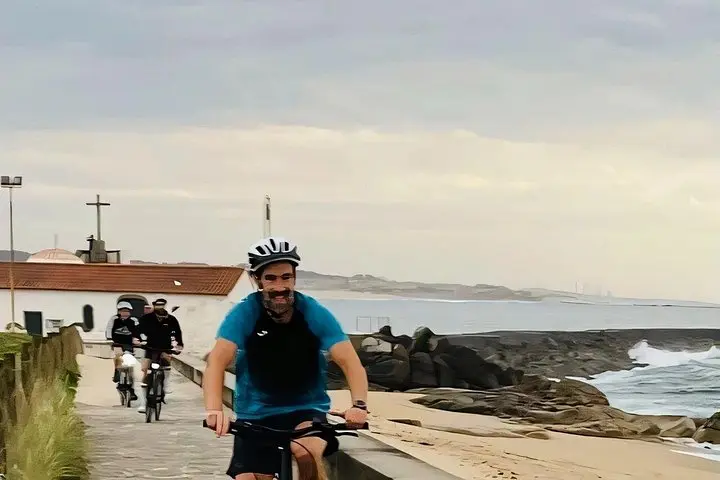
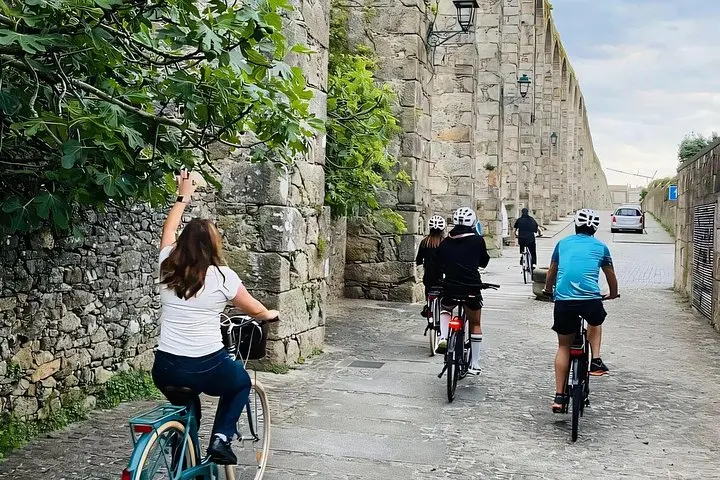
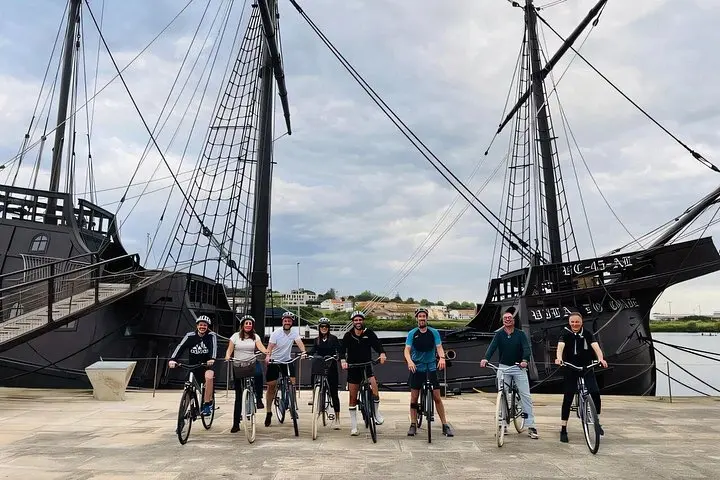
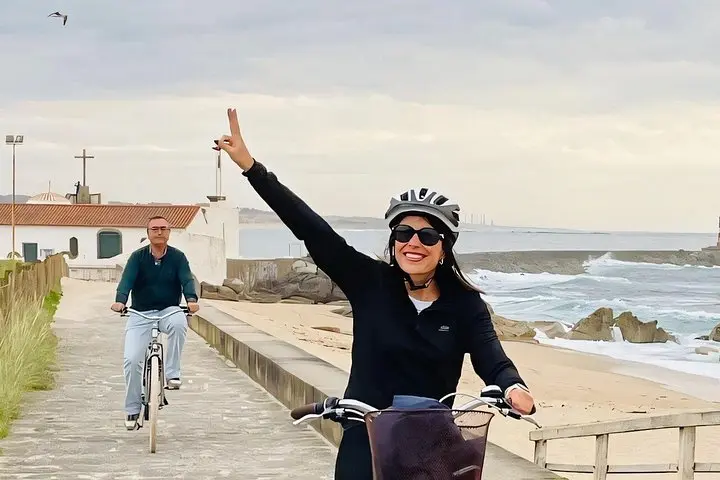
The bike hums to life beneath Atlantic light as you push off a salt-scented promenade; waves dare you to slow down while the town’s granite aqueduct keeps watch inland. This self-guided half-day on an electric bike threads Vila do Conde’s river mouth, beaches and cobbled streets, moving between coastal wind and quiet plazas with a steady, efficient rhythm.
The bike hums to life beneath Atlantic light as you push off a salt-scented promenade; waves dare you to slow down while the town’s granite aqueduct keeps watch inland. This self-guided half-day on an electric bike threads Vila do Conde’s river mouth, beaches and cobbled streets, moving between coastal wind and quiet plazas with a steady, efficient rhythm.
Vila do Conde grew around shipyards and river trade: the Nau Quinhentista replica and the crenellated fortress at the Rio Ave speak to a maritime past. The long aqueduct of granite arches and the Manueline church façades point to centuries of stonework and Catholic patronage; azulejo tiles and the house of poet José Régio add layers of local culture. Geologically, the coast is Atlantic sand and weathered granite, producing low hills and mostly flat stretches—perfect terrain for an e-bike.
Expect roughly 20–30 km of riding in 2–3 hours with modest elevation (100–200 m total gain), a mix of paved cycleways, riverfront paths and occasional cobbles through the old town. The included navigation app maps points of interest—monasteries, chapels, the shipyards—and the operator supplies helmets and roadside support.
Practical edge: start with a fully charged phone, leave mid-morning or late afternoon for softer light and calmer winds, and plan for sudden coastal gusts. Wear grippy shoes for short walks on cobblestones, carry water and sunscreen, and allow time for an espresso or pastéis de nata in a quiet plaza. The route balances effortless speed with plenty of chances to pause, photograph, and feel the town’s seam of sea and stone.