THE ADVENTURE COLLECTIVE® · Independent discovery and booking for outdoor travel

Spend a day exploring Villa de Leyva’s wide cobblestone square, a 17th‑century convent, a working vineyard tasting local wines, and the colorful pottery town of Ráquira. This private six‑hour tour blends history, hands‑on culture, and light walking across highland terrain.
Spend a day exploring Villa de Leyva’s wide cobblestone square, a 17th‑century convent, a working vineyard tasting local wines, and the colorful pottery town of Ráquira. This private six‑hour tour blends history, hands‑on culture, and light walking across highland terrain.
Morning light slices across Villa de Leyva's broad Plaza Mayor and the air carries the grit of cobblestones and wood smoke. You step from the vehicle into a town that still moves at a measured pace: whitewashed facades, clay-tile roofs, and vendors arranging colorful pottery. The tour threads nearby Sutamarchán — its 17th‑century Santo Ecce Homo convent keeps a quiet history of colonial monastic life — then strolls through a working vineyard where rows of vines lean toward the highland sun and an artificial lake blanks out the horizon.
Verified experiences and guided adventures in the surrounding area.
Operated by transfers & tours Colombia · Villa de Leyva, Boyacá
Morning light slices across Villa de Leyva's broad Plaza Mayor and the air carries the grit of cobblestones and wood smoke. You step from the vehicle into a town that still moves at a measured pace: whitewashed facades, clay-tile roofs, and vendors arranging colorful pottery. The tour threads nearby Sutamarchán — its 17th‑century Santo Ecce Homo convent keeps a quiet history of colonial monastic life — then strolls through a working vineyard where rows of vines lean toward the highland sun and an artificial lake blanks out the horizon.
Villa de Leyva sits on an ancient plateau carved by Andean uplift; its architecture echoes Spanish colonial governance and the nearby plains witnessed the build-up to the Battle of Boyacá, a decisive event in Colombia’s independence. Culture surfaces in small ways: the Chocolate Museum where local cacao is roasted, the artisans of Ráquira whose painted ceramics trace regional craft traditions, and the everyday rhythms of market stalls and lunch courtyards.
Practical guidance: expect a 6‑hour private tour with hotel pickup from Bogotá or local accommodation; light walking on cobbles and some uneven grassy terrain at the vineyard. Bring sun protection and a light layer for cool highland winds; the wine tasting is introductory—ask about varietals. Markets and museums accept cash and cards but small vendors prefer cash. If you want quieter photos, aim to arrive in the plaza mid‑morning before midday tour groups. Respect posted signs at archaeological sites and carry reusable water to reduce plastic waste.
Yes; the tour includes hotel pickup and drop‑off from Bogotá or local accommodations specified at booking.
Yes; you must be of legal drinking age in Colombia to participate in wine tastings—bring ID.
Parts of the itinerary are wheelchair accessible, but cobblestone areas and some vineyard terrain can be uneven; contact the operator to confirm accommodations.
Private tours often provide guides in Spanish and English; confirm language preference when booking.
transfers & tours Colombia operates guided outdoor trips and adventures with an emphasis on safety, stewardship, and memorable experiences.
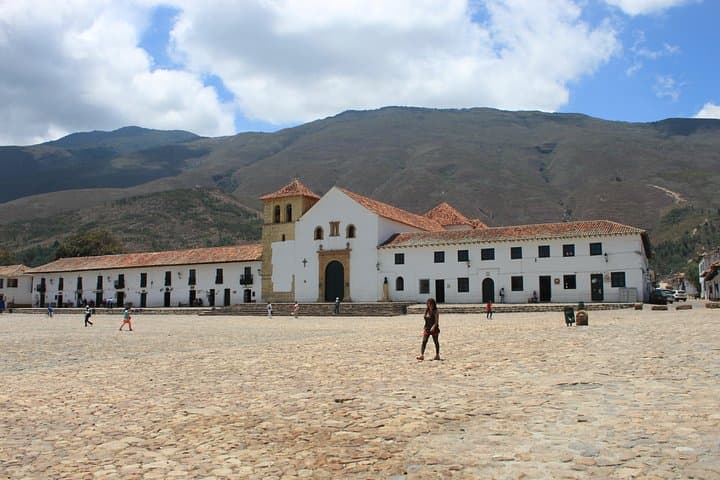
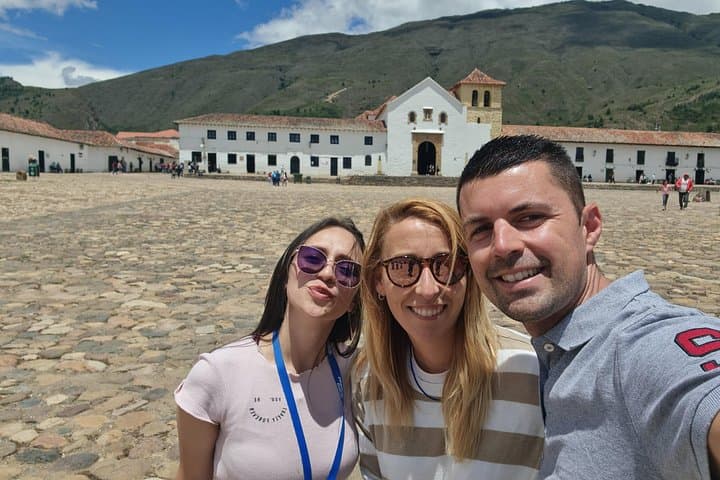
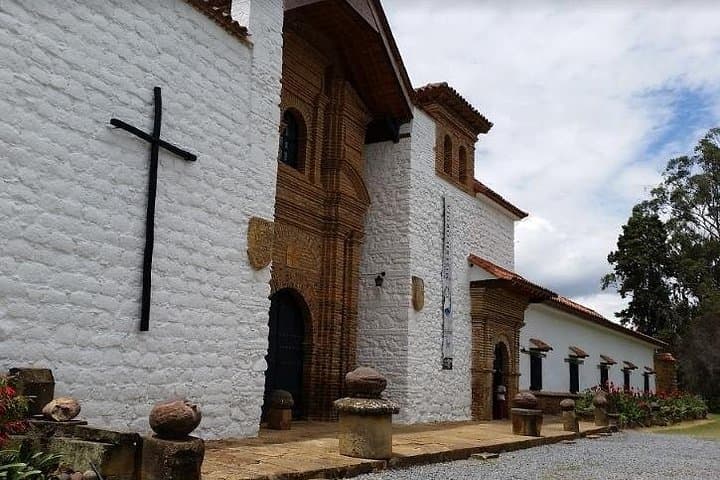
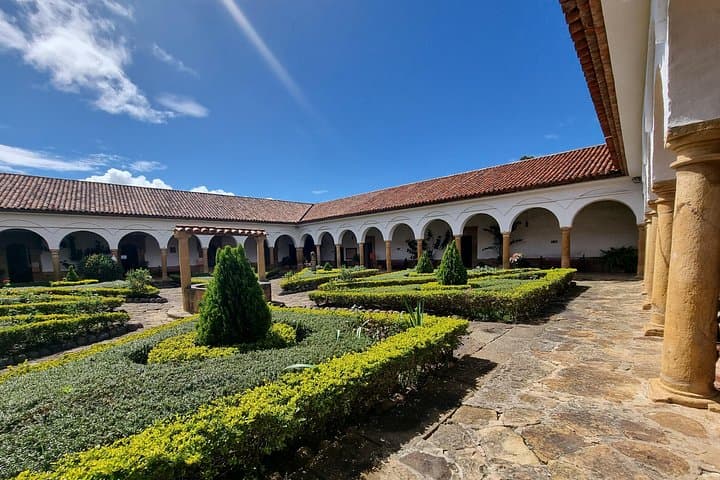
Morning light slices across Villa de Leyva's broad Plaza Mayor and the air carries the grit of cobblestones and wood smoke. You step from the vehicle into a town that still moves at a measured pace: whitewashed facades, clay-tile roofs, and vendors arranging colorful pottery. The tour threads nearby Sutamarchán — its 17th‑century Santo Ecce Homo convent keeps a quiet history of colonial monastic life — then strolls through a working vineyard where rows of vines lean toward the highland sun and an artificial lake blanks out the horizon.
Morning light slices across Villa de Leyva's broad Plaza Mayor and the air carries the grit of cobblestones and wood smoke. You step from the vehicle into a town that still moves at a measured pace: whitewashed facades, clay-tile roofs, and vendors arranging colorful pottery. The tour threads nearby Sutamarchán — its 17th‑century Santo Ecce Homo convent keeps a quiet history of colonial monastic life — then strolls through a working vineyard where rows of vines lean toward the highland sun and an artificial lake blanks out the horizon.
Villa de Leyva sits on an ancient plateau carved by Andean uplift; its architecture echoes Spanish colonial governance and the nearby plains witnessed the build-up to the Battle of Boyacá, a decisive event in Colombia’s independence. Culture surfaces in small ways: the Chocolate Museum where local cacao is roasted, the artisans of Ráquira whose painted ceramics trace regional craft traditions, and the everyday rhythms of market stalls and lunch courtyards.
Practical guidance: expect a 6‑hour private tour with hotel pickup from Bogotá or local accommodation; light walking on cobbles and some uneven grassy terrain at the vineyard. Bring sun protection and a light layer for cool highland winds; the wine tasting is introductory—ask about varietals. Markets and museums accept cash and cards but small vendors prefer cash. If you want quieter photos, aim to arrive in the plaza mid‑morning before midday tour groups. Respect posted signs at archaeological sites and carry reusable water to reduce plastic waste.