THE ADVENTURE COLLECTIVE® · Independent discovery and booking for outdoor travel

Walk Villa de Leyva’s colonial plaza, explore three museums including the Antonio Nariño House and a paleontology collection, and finish with a specialty coffee tasting. This four-hour guided tour blends history, geology, and local flavors into a compact cultural outing.
Walk Villa de Leyva’s colonial plaza, explore three museums including the Antonio Nariño House and a paleontology collection, and finish with a specialty coffee tasting. This four-hour guided tour blends history, geology, and local flavors into a compact cultural outing.
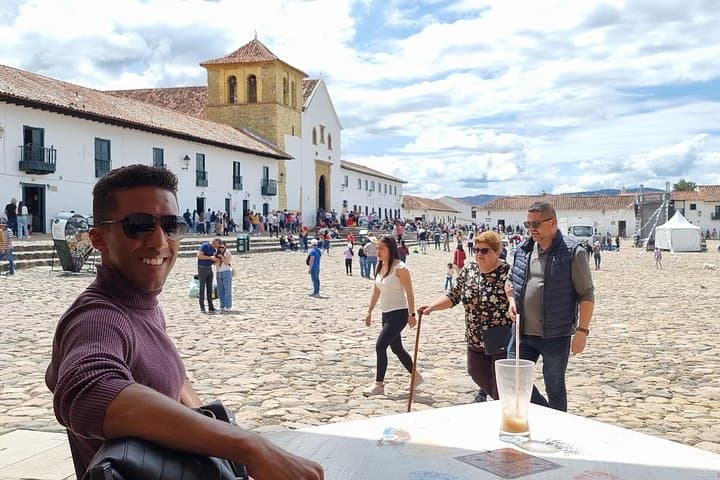
You arrive onto the Plaza Mayor as late morning light pours across wide cobblestones; the square holds a low hum of vendors, church bells, and the persistent wind that seems to rearrange the clouds over the high plain.
Verified experiences and guided adventures in the surrounding area.
Operated by No Hay Vida Mejor · Villa de Leyva, Boyacá
You arrive onto the Plaza Mayor as late morning light pours across wide cobblestones; the square holds a low hum of vendors, church bells, and the persistent wind that seems to rearrange the clouds over the high plain.
This four-hour walking tour threads through Villa de Leyva’s colonial streets, moving from the birthplace of Antonio Nariño to the cloistered calm of San Agustín and into the University’s paleontological displays. The town sits on an ancient seabed—stone slabs and fossil-rich layers beneath your feet tell a coastline story dating back millions of years—and the museums translate that deep time into cabinets of ammonites and marine reptiles.
Culturally the town is 16th-century Spanish gridwork softened by local craft markets and café culture; guides often point out original colonial masonry and family-run shops where recipes and ceramics are passed down generations. Between sites the guide offers historical context and practical pauses to rest on shaded benches.
Practical guidance: expect mostly flat, uneven cobbles—comfortable walking shoes are essential. The itinerary includes entrance fees and a final tasting of Colombian specialty coffee with a local dessert, a good chance to sample regional bean profiles and ask about small-lot production. Bring small bills for market purchases, a light layer for changing highland temperatures, and a reusable water bottle to keep hydrated.
This tour suits travelers who want close-up history, geology, and a sensory primer on Colombian coffee without long transfers—an efficient cultural loop across one of Colombia’s best-preserved colonial towns.
The tour lasts about four hours with a moderate, relaxed pace and frequent stops; expect several kilometers of walking concentrated around the historic center.
Yes—admission to the Antonio Nariño House, the San Agustín sites, and the Paleontological Museum are included in the tour price.
The final tasting typically includes coffee and a traditional dessert; inform your guide of allergies or preferences in advance so alternatives can be arranged where possible.
The route is generally easy, but uneven cobblestones and some steps may challenge mobility-impaired visitors; contact the operator to discuss accommodations or private arrangements.
No Hay Vida Mejor operates guided outdoor trips and adventures with an emphasis on safety, stewardship, and memorable experiences.

You arrive onto the Plaza Mayor as late morning light pours across wide cobblestones; the square holds a low hum of vendors, church bells, and the persistent wind that seems to rearrange the clouds over the high plain.
You arrive onto the Plaza Mayor as late morning light pours across wide cobblestones; the square holds a low hum of vendors, church bells, and the persistent wind that seems to rearrange the clouds over the high plain.
This four-hour walking tour threads through Villa de Leyva’s colonial streets, moving from the birthplace of Antonio Nariño to the cloistered calm of San Agustín and into the University’s paleontological displays. The town sits on an ancient seabed—stone slabs and fossil-rich layers beneath your feet tell a coastline story dating back millions of years—and the museums translate that deep time into cabinets of ammonites and marine reptiles.
Culturally the town is 16th-century Spanish gridwork softened by local craft markets and café culture; guides often point out original colonial masonry and family-run shops where recipes and ceramics are passed down generations. Between sites the guide offers historical context and practical pauses to rest on shaded benches.
Practical guidance: expect mostly flat, uneven cobbles—comfortable walking shoes are essential. The itinerary includes entrance fees and a final tasting of Colombian specialty coffee with a local dessert, a good chance to sample regional bean profiles and ask about small-lot production. Bring small bills for market purchases, a light layer for changing highland temperatures, and a reusable water bottle to keep hydrated.
This tour suits travelers who want close-up history, geology, and a sensory primer on Colombian coffee without long transfers—an efficient cultural loop across one of Colombia’s best-preserved colonial towns.