THE ADVENTURE COLLECTIVE® · Independent discovery and booking for outdoor travel

Spend a full day exploring Villa de Leyva’s enormous colonial plaza and Ráquira’s colorful ceramics workshops on this private drive from Bogotá. Expect cobbled streets, artisan markets, and easy walking with plenty of photo and shopping stops.
Spend a full day exploring Villa de Leyva’s enormous colonial plaza and Ráquira’s colorful ceramics workshops on this private drive from Bogotá. Expect cobbled streets, artisan markets, and easy walking with plenty of photo and shopping stops.
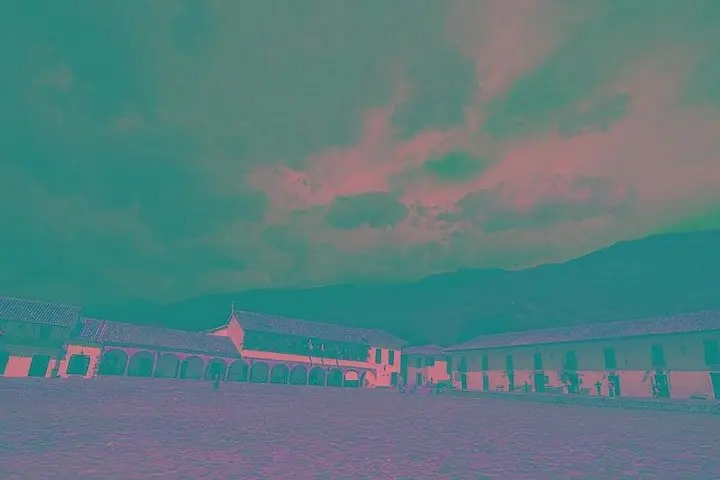
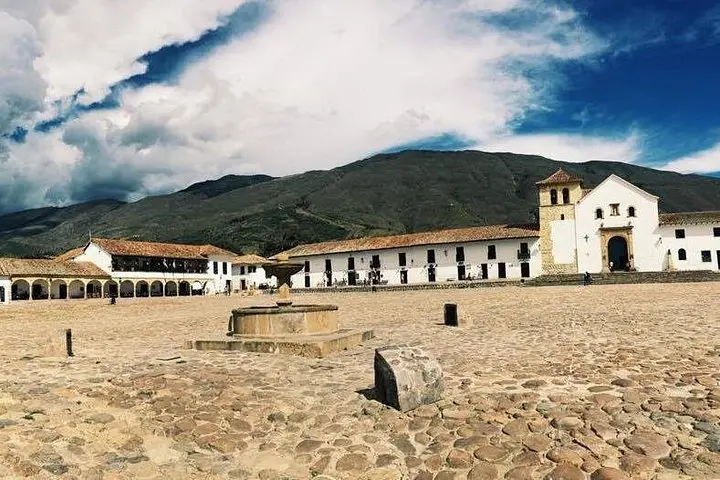
You step out of the van into a wide, sun-bright plaza where colonial stone breathes history and the air carries clay dust from nearby workshops. The Plaza Mayor in Villa de Leyva opens like a stage—church facades and whitewashed houses framing a sky that feels bigger at 2,100 meters elevation. Walks here are slow; the cobbles set the tempo.
Verified experiences and guided adventures in the surrounding area.
Operated by YourColombia · Villa de Leyva, Boyacá
You step out of the van into a wide, sun-bright plaza where colonial stone breathes history and the air carries clay dust from nearby workshops. The Plaza Mayor in Villa de Leyva opens like a stage—church facades and whitewashed houses framing a sky that feels bigger at 2,100 meters elevation. Walks here are slow; the cobbles set the tempo.
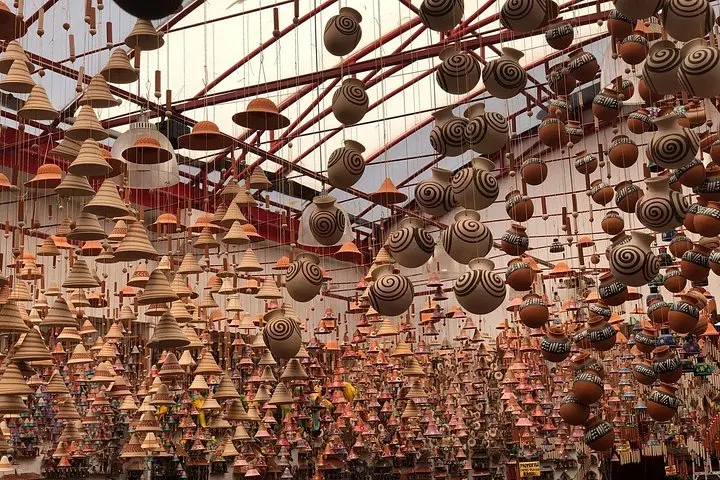
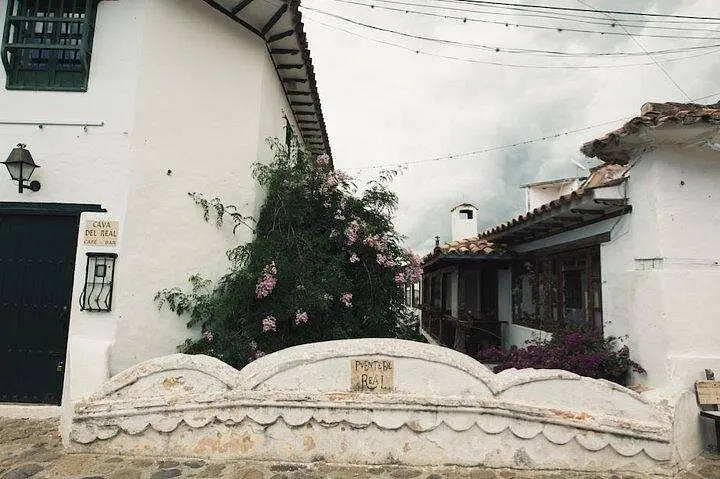
Villa de Leyva grew around a 16th‑century main square and preserves Spanish colonial plans, with adobe and stone reflecting the highland geology of Boyacá—old volcanic soils and uplifted Andean ranges that shape green ridgelines around the town. Ráquira, forty minutes away, is a living craft market where terracotta workshops and painted ceramics spill color into narrow lanes. Locals maintain artisanal techniques; many pieces are wheel-thrown or hand-painted using regional motifs.
Expect easy walking on uneven cobbles, markets crowded around midday, and a short drive through Andean farmland between towns. The day’s rhythm is transport, a walking tour of Villa de Leyva, a drive to Ráquira for lunch and shopping, then return to Bogotá.
Practical guidance: wear sturdy shoes with good grip, bring cash for small vendors, and plan for sun and sudden mountain showers. Hydrate—altitude can dry you out more quickly—and leave time to linger in courtyard cafés. For photographers, early or late light softens façades; for shoppers, negotiate politely and inspect glaze finishes on ceramics. This is a cultural day that moves at walking pace but rewards attention to texture, craft, and the slow geology of the highlands.
Travel time is about 3 hours each way depending on traffic and road conditions; expect a full 10–11 hour day including stops.
Lunch is not included; the itinerary typically stops in Ráquira where you can choose local restaurants serving Colombian dishes.
Yes—this is an easy-paced private tour, but children should be accompanied and anyone with serious heart conditions should avoid strenuous activities at altitude.
Many vendors sell and pack ceramics for travel; larger or fragile items may require shipping arrangements—ask vendors about packaging and transport options.
YourColombia operates guided outdoor trips and adventures with an emphasis on safety, stewardship, and memorable experiences.
You step out of the van into a wide, sun-bright plaza where colonial stone breathes history and the air carries clay dust from nearby workshops. The Plaza Mayor in Villa de Leyva opens like a stage—church facades and whitewashed houses framing a sky that feels bigger at 2,100 meters elevation. Walks here are slow; the cobbles set the tempo.
You step out of the van into a wide, sun-bright plaza where colonial stone breathes history and the air carries clay dust from nearby workshops. The Plaza Mayor in Villa de Leyva opens like a stage—church facades and whitewashed houses framing a sky that feels bigger at 2,100 meters elevation. Walks here are slow; the cobbles set the tempo.
Villa de Leyva grew around a 16th‑century main square and preserves Spanish colonial plans, with adobe and stone reflecting the highland geology of Boyacá—old volcanic soils and uplifted Andean ranges that shape green ridgelines around the town. Ráquira, forty minutes away, is a living craft market where terracotta workshops and painted ceramics spill color into narrow lanes. Locals maintain artisanal techniques; many pieces are wheel-thrown or hand-painted using regional motifs.
Expect easy walking on uneven cobbles, markets crowded around midday, and a short drive through Andean farmland between towns. The day’s rhythm is transport, a walking tour of Villa de Leyva, a drive to Ráquira for lunch and shopping, then return to Bogotá.
Practical guidance: wear sturdy shoes with good grip, bring cash for small vendors, and plan for sun and sudden mountain showers. Hydrate—altitude can dry you out more quickly—and leave time to linger in courtyard cafés. For photographers, early or late light softens façades; for shoppers, negotiate politely and inspect glaze finishes on ceramics. This is a cultural day that moves at walking pace but rewards attention to texture, craft, and the slow geology of the highlands.