THE ADVENTURE COLLECTIVE® · Independent discovery and booking for outdoor travel

Walk among fountains that move like actors on a stage at Villa d'Este, a UNESCO Renaissance garden in Tivoli. This guided hour pairs indoor frescoed rooms with an engineered outdoor spectacle — perfect for history and design-minded travelers.
Walk among fountains that move like actors on a stage at Villa d'Este, a UNESCO Renaissance garden in Tivoli. This guided hour pairs indoor frescoed rooms with an engineered outdoor spectacle — perfect for history and design-minded travelers.
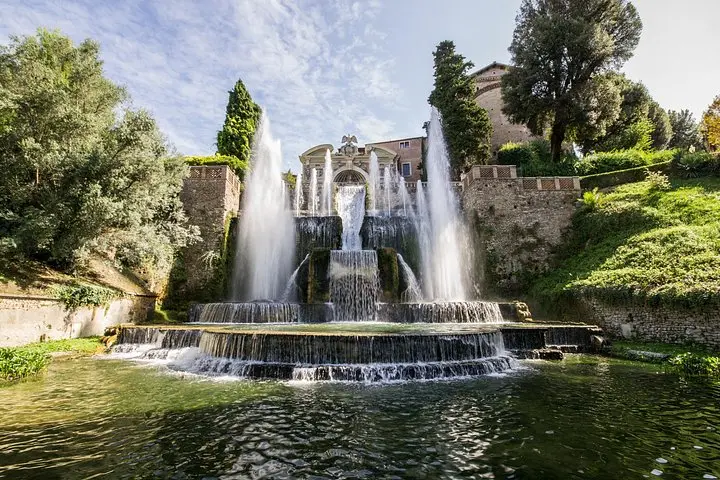
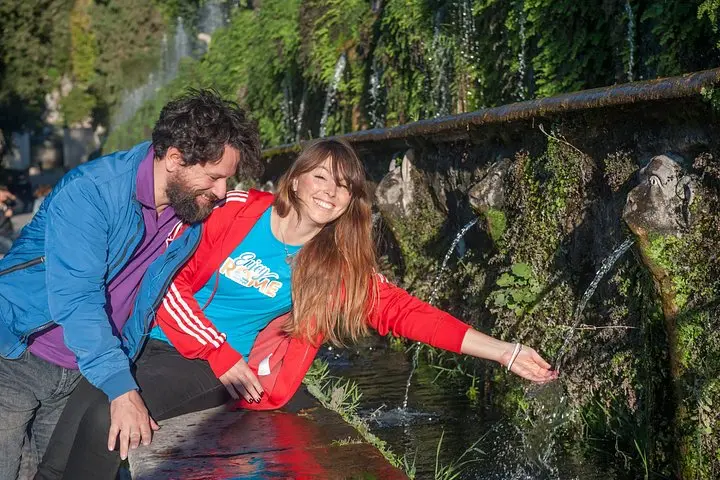
Step through an ornate gate and the sound of water leads the way: jets and cascades choreograph the entrance to Villa d'Este, where stone, water and engineered hydraulics shape a garden designed to be seen and heard.
Verified experiences and guided adventures in the surrounding area.
Operated by Enjoy Rome · Tivoli, Lazio
Step through an ornate gate and the sound of water leads the way: jets and cascades choreograph the entrance to Villa d'Este, where stone, water and engineered hydraulics shape a garden designed to be seen and heard.
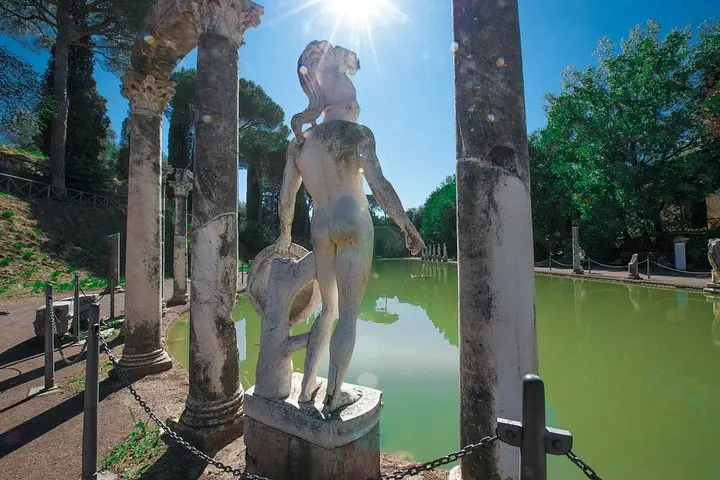
Built in the mid-16th century for Cardinal Ippolito II d'Este, Villa d'Este is a UNESCO World Heritage Site whose terraced gardens and theatrical fountains reflect Renaissance ideals of control over nature. The walk is a study in gravity and design — channels, basins and towering water jets like Bernini's Neptune Fountain (reaching roughly 10 meters) animate travertine steps and sculpted grottoes. The underlying geology of Tivoli — limestone outcrops and springs tapped since antiquity — made this hydraulic display possible and drew builders like Hadrian earlier to the valley.
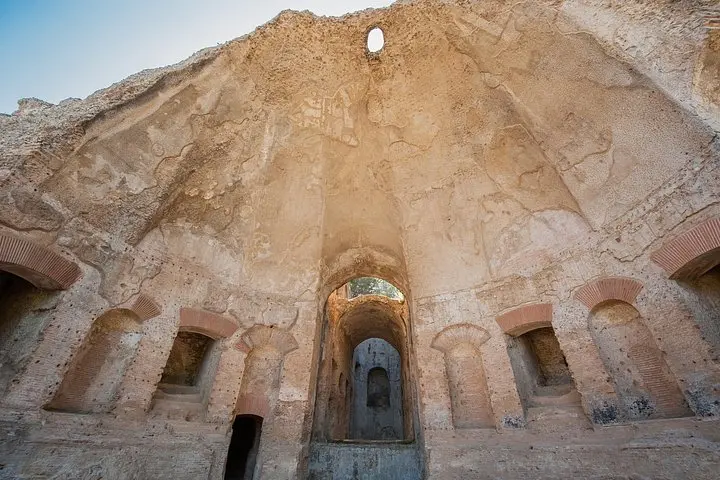
Culturally, the villa is a statement of patronage: frescoed halls inside the palace contrast with the outdoors' rhythmic waterworks, and guides often reference the rivalry between papal Rome’s families that funded such extravagance.
Practical notes: the one-hour guided format moves briskly across terraces and stone steps; comfortable shoes and a light jacket are useful year-round. Morning visits reduce crowds and midday glare for photos. The tour includes headsets and expert interpretation; public transport reaches Tivoli from Rome for a short onward walk.
Respect the site — stay on pathways, avoid touching mechanisms and pack out waste. Whether you’re drawn by architecture, garden engineering or pure spectacle, Villa d'Este offers a compact, intense encounter with Renaissance landscape craft.
The guided visit lasts about one hour and covers the main gardens and palace viewpoints.
Some paths and terraces have steps; however, the site notes that strollers are possible in many areas — check ahead for specific mobility access details.
Fountains generally operate through most of the year, though maintenance schedules or winter conditions can alter flow; check the villa's calendar if visiting in low season.
Yes — Tivoli tours often pair Villa d'Este with Hadrian's Villa; they are separate sites but usually offered together on half-day excursions.
Enjoy Rome operates guided outdoor trips and adventures with an emphasis on safety, stewardship, and memorable experiences.
Step through an ornate gate and the sound of water leads the way: jets and cascades choreograph the entrance to Villa d'Este, where stone, water and engineered hydraulics shape a garden designed to be seen and heard.
Step through an ornate gate and the sound of water leads the way: jets and cascades choreograph the entrance to Villa d'Este, where stone, water and engineered hydraulics shape a garden designed to be seen and heard.
Built in the mid-16th century for Cardinal Ippolito II d'Este, Villa d'Este is a UNESCO World Heritage Site whose terraced gardens and theatrical fountains reflect Renaissance ideals of control over nature. The walk is a study in gravity and design — channels, basins and towering water jets like Bernini's Neptune Fountain (reaching roughly 10 meters) animate travertine steps and sculpted grottoes. The underlying geology of Tivoli — limestone outcrops and springs tapped since antiquity — made this hydraulic display possible and drew builders like Hadrian earlier to the valley.
Culturally, the villa is a statement of patronage: frescoed halls inside the palace contrast with the outdoors' rhythmic waterworks, and guides often reference the rivalry between papal Rome’s families that funded such extravagance.
Practical notes: the one-hour guided format moves briskly across terraces and stone steps; comfortable shoes and a light jacket are useful year-round. Morning visits reduce crowds and midday glare for photos. The tour includes headsets and expert interpretation; public transport reaches Tivoli from Rome for a short onward walk.
Respect the site — stay on pathways, avoid touching mechanisms and pack out waste. Whether you’re drawn by architecture, garden engineering or pure spectacle, Villa d'Este offers a compact, intense encounter with Renaissance landscape craft.