THE ADVENTURE COLLECTIVE® · Independent discovery and booking for outdoor travel

Step away from the carnival of Victoria Falls into a working rural village where daily life—gardens, school, and shared meals—offers an intimate look at Zimbabwean culture. This private 3–4 hour tour combines short drives with hands-on participation and community insight.
Step away from the carnival of Victoria Falls into a working rural village where daily life—gardens, school, and shared meals—offers an intimate look at Zimbabwean culture. This private 3–4 hour tour combines short drives with hands-on participation and community insight.
You leave the roar of the Zambezi behind and drive east along low basalt ridges until the pavement thins and the road becomes a ribbon of dust. Morning light slants across thatched roofs; children peek from compound gates while women tend small vegetable gardens. The village moves at human pace—chickens scatter, a wood-fired pot hisses, and the air smells of sun-warmed earth.
Verified experiences and guided adventures in the surrounding area.
Operated by DK Tours & Safaris · Victoria Falls, Matabeleland North
You leave the roar of the Zambezi behind and drive east along low basalt ridges until the pavement thins and the road becomes a ribbon of dust. Morning light slants across thatched roofs; children peek from compound gates while women tend small vegetable gardens. The village moves at human pace—chickens scatter, a wood-fired pot hisses, and the air smells of sun-warmed earth.
This area sits on ancient basalt flows carved by the Zambezi; the falls a powerful neighbor 15 km from town shapes both climate and livelihoods. The communities near Victoria Falls are largely Tonga and other local groups who maintain household agriculture, craftwork, and close family networks. Visits are part cultural exchange and part community support: you’ll see household layouts, schools, and fields and may join simple daily tasks like planting, shelling seeds, or helping prepare a meal.
Expect practical, respectful engagement rather than performance. Photography is welcome but ask first; children are curious and adults appreciate small gestures. Tours typically run 3–4 hours including private transport and are offered both morning and afternoon to avoid the midday heat.
Plan for strong sun and dusty paths—closed-toe shoes, a sun hat, and a refillable water bottle are sensible. Carry small bills or USD for modest purchases or tips; local hosts often welcome simple barter items like school supplies. Mobility access is possible in many visits, but check ahead for specific vehicle or compound constraints.
This is a low-impact, high-engagement experience: bring curiosity, patience, and cultural sensitivity, and you’ll come away with a clearer sense of rural Zimbabwean life and the tangible benefits community tourism can provide.
Typical departures are morning (09:00–12:30) and afternoon (14:30–17:00); total duration is about 3–4 hours including private transport.
Many operators note wheelchair-accessible transport and compounds, but accessibility can vary—confirm specific needs when booking.
Yes, visits are designed to allow hands-on participation like garden work or food preparation, always with host consent.
Small denominations of USD are widely accepted and practical; some vendors may accept Zimbabwean dollars or card payments in town, but cash is preferred in villages.
DK Tours & Safaris operates guided outdoor trips and adventures with an emphasis on safety, stewardship, and memorable experiences.
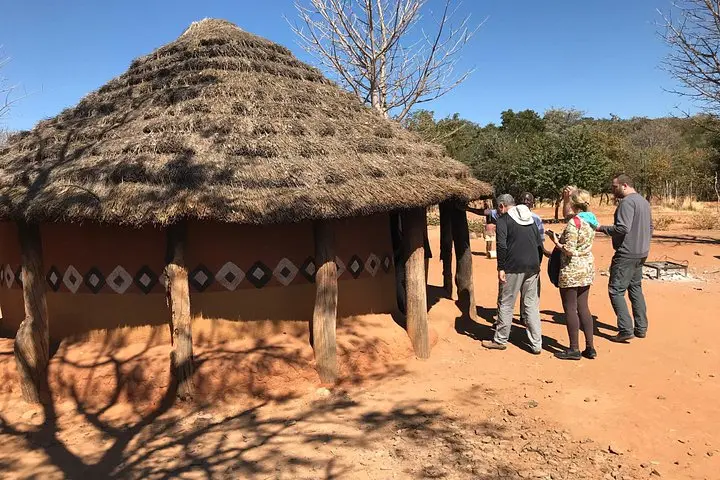
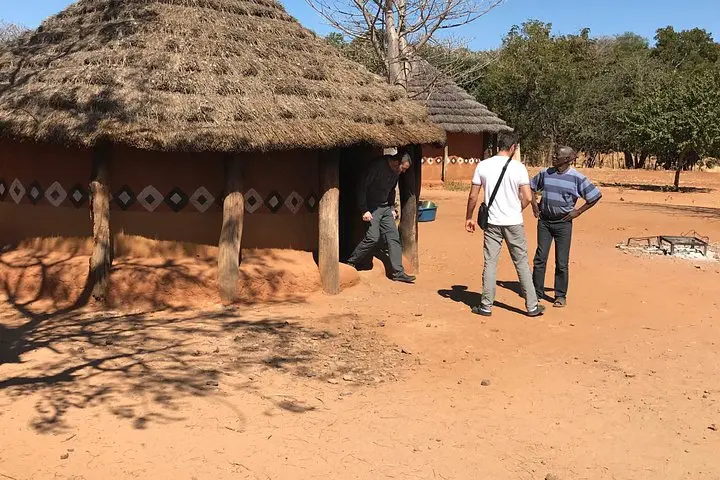
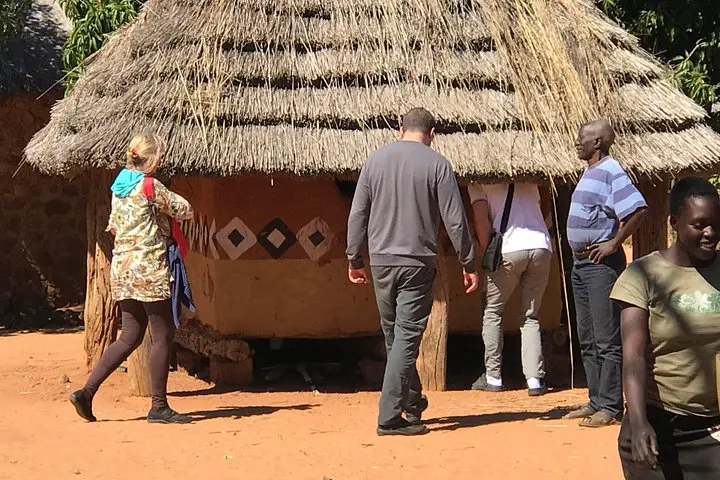
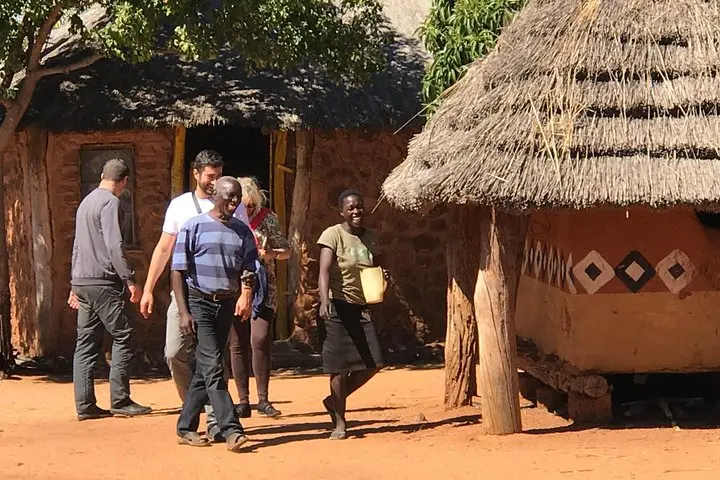
You leave the roar of the Zambezi behind and drive east along low basalt ridges until the pavement thins and the road becomes a ribbon of dust. Morning light slants across thatched roofs; children peek from compound gates while women tend small vegetable gardens. The village moves at human pace—chickens scatter, a wood-fired pot hisses, and the air smells of sun-warmed earth.
You leave the roar of the Zambezi behind and drive east along low basalt ridges until the pavement thins and the road becomes a ribbon of dust. Morning light slants across thatched roofs; children peek from compound gates while women tend small vegetable gardens. The village moves at human pace—chickens scatter, a wood-fired pot hisses, and the air smells of sun-warmed earth.
This area sits on ancient basalt flows carved by the Zambezi; the falls a powerful neighbor 15 km from town shapes both climate and livelihoods. The communities near Victoria Falls are largely Tonga and other local groups who maintain household agriculture, craftwork, and close family networks. Visits are part cultural exchange and part community support: you’ll see household layouts, schools, and fields and may join simple daily tasks like planting, shelling seeds, or helping prepare a meal.
Expect practical, respectful engagement rather than performance. Photography is welcome but ask first; children are curious and adults appreciate small gestures. Tours typically run 3–4 hours including private transport and are offered both morning and afternoon to avoid the midday heat.
Plan for strong sun and dusty paths—closed-toe shoes, a sun hat, and a refillable water bottle are sensible. Carry small bills or USD for modest purchases or tips; local hosts often welcome simple barter items like school supplies. Mobility access is possible in many visits, but check ahead for specific vehicle or compound constraints.
This is a low-impact, high-engagement experience: bring curiosity, patience, and cultural sensitivity, and you’ll come away with a clearer sense of rural Zimbabwean life and the tangible benefits community tourism can provide.