THE ADVENTURE COLLECTIVE® · Independent discovery and booking for outdoor travel

An evening walking tour that pairs Greenwich Village history with 4–5 curated bites. Small groups, licensed guides, and an improvisational route make each night distinct — arrive with comfortable shoes and an appetite.
An evening walking tour that pairs Greenwich Village history with 4–5 curated bites. Small groups, licensed guides, and an improvisational route make each night distinct — arrive with comfortable shoes and an appetite.
The lamps along Astor Place throw pools of amber over a sidewalk alive with conversation, and the Village itself seems to lean in to hear you. On a warm evening the streets hum; on a colder night, steam vents and neon signs keep the air electric. This three-hour walk moves like the neighborhood — improvisational, attentive to mood, and hungry.
Verified experiences and guided adventures in the surrounding area.
Operated by Sidewalk Alchemy · New York, New York
The lamps along Astor Place throw pools of amber over a sidewalk alive with conversation, and the Village itself seems to lean in to hear you. On a warm evening the streets hum; on a colder night, steam vents and neon signs keep the air electric. This three-hour walk moves like the neighborhood — improvisational, attentive to mood, and hungry.
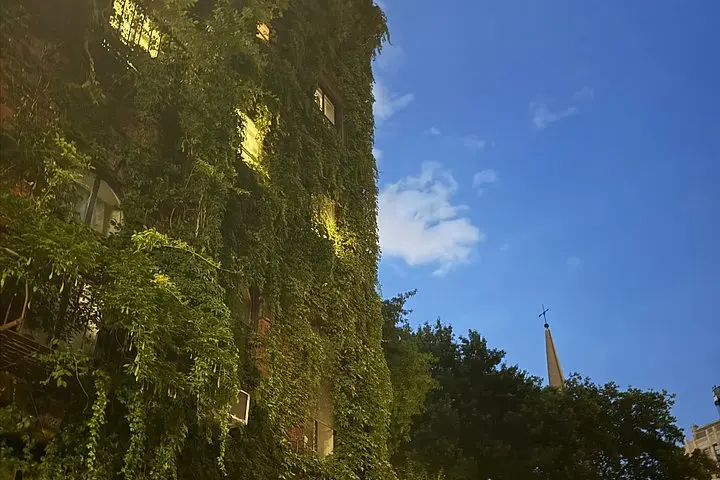
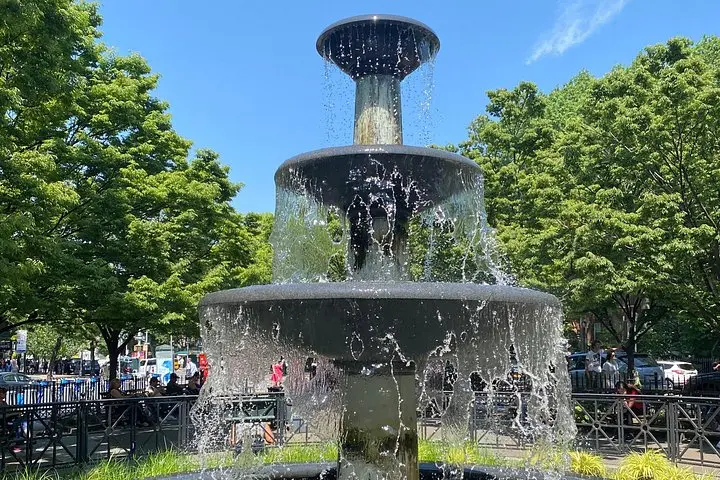
Greenwich Village wears history in plain sight: Lenape pathways once crossed this glacially sculpted landscape before Dutch settlers laid out streets. By the 19th and 20th centuries the Village was a magnet for artists, radicals, and immigrants; sites from McSorley’s Ale House to the Stonewall National Monument mark chapters in labor, bohemian, and civil-rights histories. The rowhouse facades sit on Manhattan schist and soil pushed south by the last ice age — a compact, walkable geology that shaped the lanes and pocket parks.
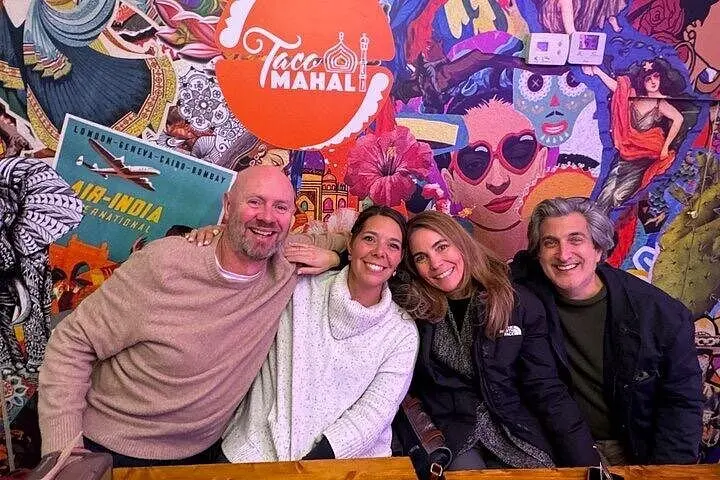
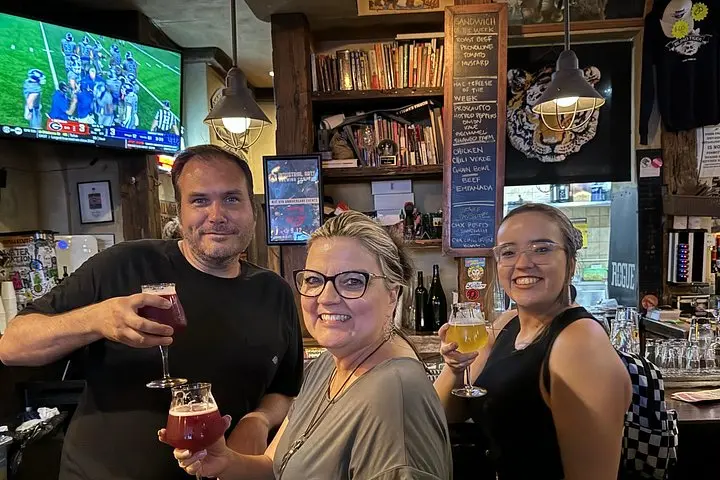
Culturally, the Village still favors small hands-on businesses: hole-in-the-wall falafel counters, family-run bakeries, and taverns that memorize your order. Guides read the group and curate 4–5 food stops — expect a mix of savory and sweet, often eaten standing while stories about characters and protests unfold.
Practical notes: wear comfortable shoes, bring water, and plan to walk 1.5–3 miles over varied pavement. The tour caps at eight guests, moves at a conversational pace, and uses public transit for easy arrival and departure. Timing your visit for early evening captures the neighborhood’s transition from day to night — when windows glow and the Village’s historic voices feel closest.
Yes — the operator lists the experience as wheelchair accessible, but curb cuts and sidewalk conditions vary; contact the provider in advance to confirm arrangements.
Guides can generally accommodate common allergies and vegetarian requests if notified at booking; more restrictive diets may limit sample options.
Meet near Astor Place (exact meeting point sent after booking); the end point varies but is usually near bars and a subway stop in the West or Greenwich Village.
Tipping is customary for guided experiences in New York — 10–20% of the tour cost is typical for good service, or a flat cash amount you’re comfortable with.
Sidewalk Alchemy operates guided outdoor trips and adventures with an emphasis on safety, stewardship, and memorable experiences.
The lamps along Astor Place throw pools of amber over a sidewalk alive with conversation, and the Village itself seems to lean in to hear you. On a warm evening the streets hum; on a colder night, steam vents and neon signs keep the air electric. This three-hour walk moves like the neighborhood — improvisational, attentive to mood, and hungry.
The lamps along Astor Place throw pools of amber over a sidewalk alive with conversation, and the Village itself seems to lean in to hear you. On a warm evening the streets hum; on a colder night, steam vents and neon signs keep the air electric. This three-hour walk moves like the neighborhood — improvisational, attentive to mood, and hungry.
Greenwich Village wears history in plain sight: Lenape pathways once crossed this glacially sculpted landscape before Dutch settlers laid out streets. By the 19th and 20th centuries the Village was a magnet for artists, radicals, and immigrants; sites from McSorley’s Ale House to the Stonewall National Monument mark chapters in labor, bohemian, and civil-rights histories. The rowhouse facades sit on Manhattan schist and soil pushed south by the last ice age — a compact, walkable geology that shaped the lanes and pocket parks.
Culturally, the Village still favors small hands-on businesses: hole-in-the-wall falafel counters, family-run bakeries, and taverns that memorize your order. Guides read the group and curate 4–5 food stops — expect a mix of savory and sweet, often eaten standing while stories about characters and protests unfold.
Practical notes: wear comfortable shoes, bring water, and plan to walk 1.5–3 miles over varied pavement. The tour caps at eight guests, moves at a conversational pace, and uses public transit for easy arrival and departure. Timing your visit for early evening captures the neighborhood’s transition from day to night — when windows glow and the Village’s historic voices feel closest.