THE ADVENTURE COLLECTIVE® · Independent discovery and booking for outdoor travel

Board a 1960s French bus to glide along La Croisette, step onto the Palais des Festivals, and explore Suquet’s alleyways. This two-hour tour blends cinematic glamour, local markets, and coastal views—ideal for a short, photo-ready immersion in Cannes.
Board a 1960s French bus to glide along La Croisette, step onto the Palais des Festivals, and explore Suquet’s alleyways. This two-hour tour blends cinematic glamour, local markets, and coastal views—ideal for a short, photo-ready immersion in Cannes.
You climb aboard a low-slung 1960s French bus, its chrome catching the late-afternoon sun, and the Mediterranean breathes up from the bay as palms lean toward the sea. The driver eases onto La Croisette and the bus hums past the Palais des Festivals, where the famous steps and red carpet still insist on attention. Windows frame sandy beaches, yachts at anchor, and distant Lérins Islands that sit like quiet sentries offshore.
Verified experiences and guided adventures in the surrounding area.
Operated by Le French Bus · Cannes, Provence-Alpes-Côte d'Azur
You climb aboard a low-slung 1960s French bus, its chrome catching the late-afternoon sun, and the Mediterranean breathes up from the bay as palms lean toward the sea. The driver eases onto La Croisette and the bus hums past the Palais des Festivals, where the famous steps and red carpet still insist on attention. Windows frame sandy beaches, yachts at anchor, and distant Lérins Islands that sit like quiet sentries offshore.
Cannes began as a modest fishing village before 19th-century aristocratic visitors turned it into a resort; the town’s modern fame accelerated with the film festival's postwar rise in 1946. Geologically the coast is edged by older limestone and the rust-red Esterel Massif to the west, a volcanic flank that gives depth to the horizon. Culture here is Provençal and performative: open-air markets, market stalls of olive oil and socca, and narrow Suquet alleys that remember quieter times.
Expect a two-hour loop that mixes scenic drive-bys with short guided walks: photo time at Palais des Festivals, a market stroll in the old quarter, and a corniche stop with island views. The pace is gentle but wear comfortable shoes for cobbled streets and bring sun protection—the Mediterranean can be relentless. Morning and late afternoon light are best for photos and cooler air. Listen for local anecdotes from your guide—those are where the city’s character shows.
Practical notes: the tour is accessible for most fitness levels, accepts mobile tickets, and requires minimal walking gear. Keep valuables secure and plan extra time if you want to explore Suquet or the market after the bus returns.
Meet at the designated boarding point near the Palais des Festivals; the loop returns to a nearby drop-off so you can continue exploring on foot.
The tour is designed to be accessible but check with the operator in advance to confirm vehicle access and any assistance for boarding.
Guides typically speak French and English; check booking details for additional language options or private-guide requests.
You can cancel for a full refund if you cancel at least 24 hours before the scheduled departure time.
Le French Bus operates guided outdoor trips and adventures with an emphasis on safety, stewardship, and memorable experiences.
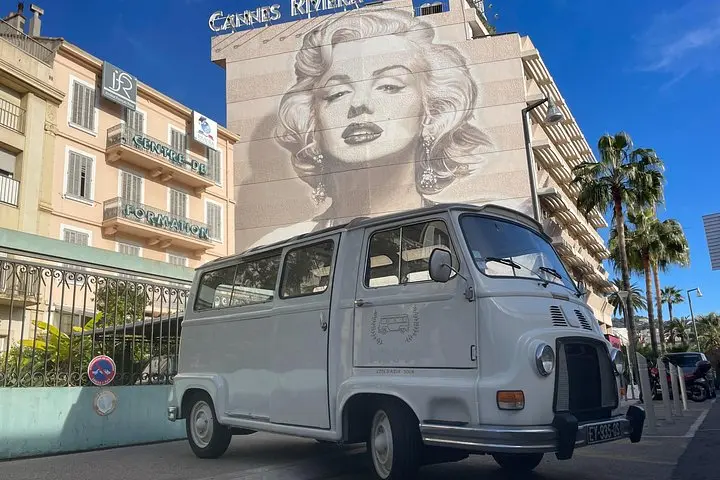
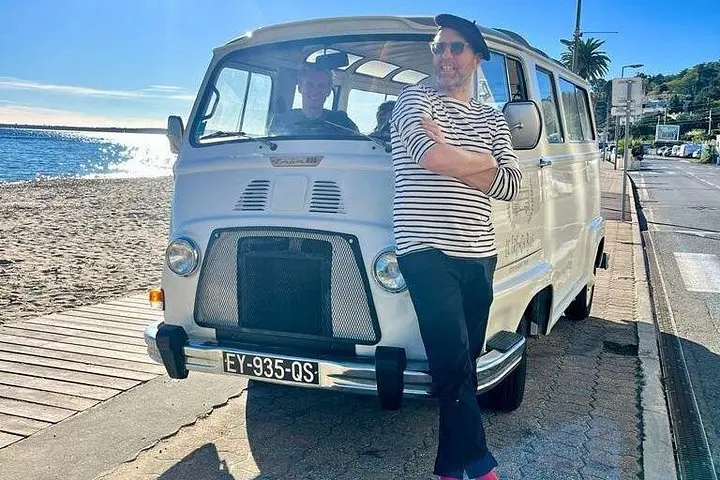
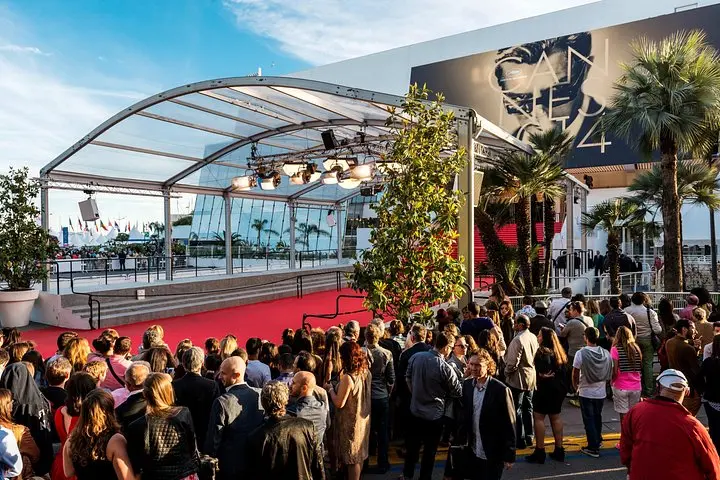
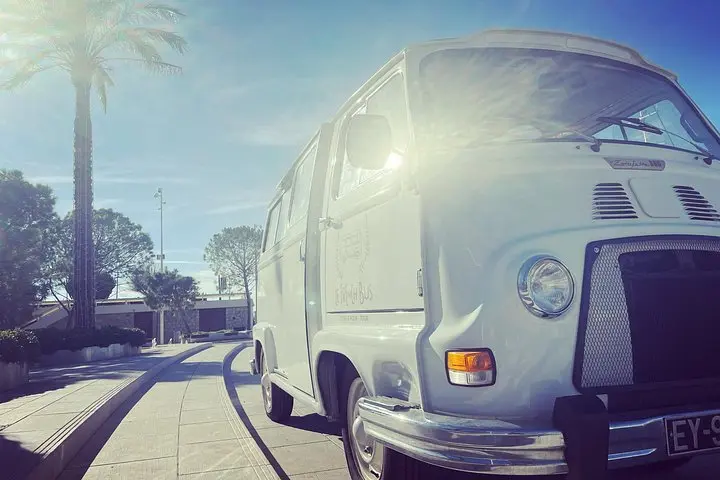
You climb aboard a low-slung 1960s French bus, its chrome catching the late-afternoon sun, and the Mediterranean breathes up from the bay as palms lean toward the sea. The driver eases onto La Croisette and the bus hums past the Palais des Festivals, where the famous steps and red carpet still insist on attention. Windows frame sandy beaches, yachts at anchor, and distant Lérins Islands that sit like quiet sentries offshore.
You climb aboard a low-slung 1960s French bus, its chrome catching the late-afternoon sun, and the Mediterranean breathes up from the bay as palms lean toward the sea. The driver eases onto La Croisette and the bus hums past the Palais des Festivals, where the famous steps and red carpet still insist on attention. Windows frame sandy beaches, yachts at anchor, and distant Lérins Islands that sit like quiet sentries offshore.
Cannes began as a modest fishing village before 19th-century aristocratic visitors turned it into a resort; the town’s modern fame accelerated with the film festival's postwar rise in 1946. Geologically the coast is edged by older limestone and the rust-red Esterel Massif to the west, a volcanic flank that gives depth to the horizon. Culture here is Provençal and performative: open-air markets, market stalls of olive oil and socca, and narrow Suquet alleys that remember quieter times.
Expect a two-hour loop that mixes scenic drive-bys with short guided walks: photo time at Palais des Festivals, a market stroll in the old quarter, and a corniche stop with island views. The pace is gentle but wear comfortable shoes for cobbled streets and bring sun protection—the Mediterranean can be relentless. Morning and late afternoon light are best for photos and cooler air. Listen for local anecdotes from your guide—those are where the city’s character shows.
Practical notes: the tour is accessible for most fitness levels, accepts mobile tickets, and requires minimal walking gear. Keep valuables secure and plan extra time if you want to explore Suquet or the market after the bus returns.