THE ADVENTURE COLLECTIVE® · Independent discovery and booking for outdoor travel

Take a one‑hour drive north of Prague in a vintage replica car to Terezín, an 18th‑century fortress turned WWII ghetto and memorial. This guided visit combines architecture, archival testimony, and a sober look at the site’s history.
Take a one‑hour drive north of Prague in a vintage replica car to Terezín, an 18th‑century fortress turned WWII ghetto and memorial. This guided visit combines architecture, archival testimony, and a sober look at the site’s history.
You roll out of Prague onto flat farmland and, an hour later, the angular ramparts of an 18th‑century fortress resolve from the mist — Terezín’s brickworks and bastions rise like a practical geometry, not a postcard. The tour’s vintage replica car drops you at the gate; for the next two hours you move through courtyards and narrow alleys where silence takes on weight.
Verified experiences and guided adventures in the surrounding area.
Operated by Prague old car, s.r.o. · Terezín, Ústí nad Labem Region
You roll out of Prague onto flat farmland and, an hour later, the angular ramparts of an 18th‑century fortress resolve from the mist — Terezín’s brickworks and bastions rise like a practical geometry, not a postcard. The tour’s vintage replica car drops you at the gate; for the next two hours you move through courtyards and narrow alleys where silence takes on weight.
Terezín (Theresienstadt) began as a Habsburg garrison town in the late 1700s; during World War II the Nazis repurposed the fortress into a ghetto and transit camp. The site’s layered history is visible in architecture — Vauban‑style ramparts, Austro‑Hungarian barracks and the austere cells of the Small Fortress — and in the stories held in the museum’s documents and personal artifacts.
Geologically the area sits on river plains with fertile loess soils; scenery is low and open, punctuated by the fortress’ stone geometry rather than dramatic topography. Local culture in nearby Litoměřice and Prague balances preservation with sober tourism: expect interpretive signage, curators who emphasize testimony, and a respectful atmosphere.
Practical guidance: allow five hours for pickup, transit and a two‑hour guided visit; wear sturdy, comfortable shoes for cobbles and steps; bring ID and water; plan for changing weather — the courtyards offer little shelter. Photography may be restricted in some exhibition rooms; follow the guide. The visit is historically intense — pause between stops, read inscriptions slowly, and leave ample time afterward to process what you’ve seen.
The guided memorial visit is about two hours, covering the main museum, the Small Fortress and key memorial sites.
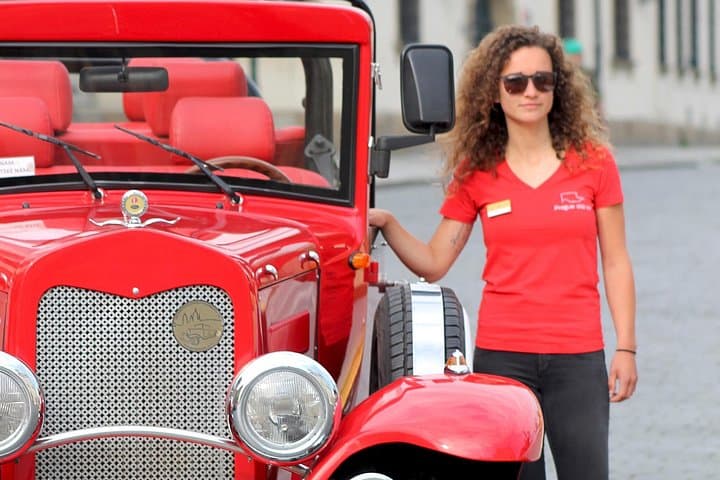
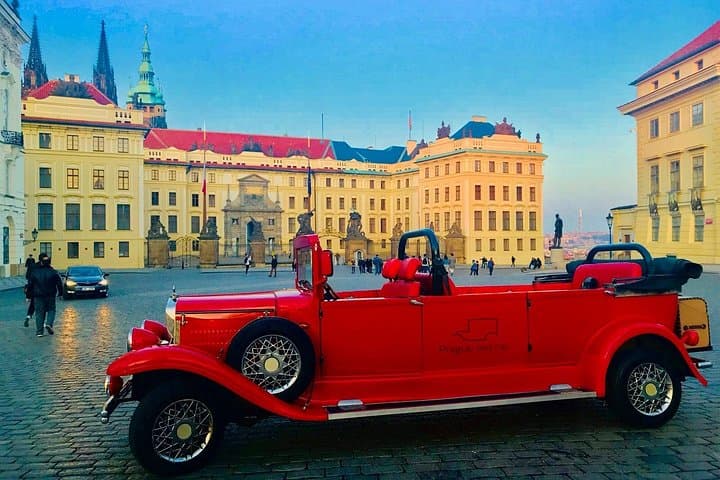
Yes — the tour includes private transportation in a vintage replica car with pickup and return to Prague.
Children are welcome, but content is somber and may be emotionally difficult for younger visitors; infants must sit on laps during transit.
There is limited onsite catering and nearby cafes in the town, but plan to bring a snack or eat before/after the visit.
Prague old car, s.r.o. operates guided outdoor trips and adventures with an emphasis on safety, stewardship, and memorable experiences.


You roll out of Prague onto flat farmland and, an hour later, the angular ramparts of an 18th‑century fortress resolve from the mist — Terezín’s brickworks and bastions rise like a practical geometry, not a postcard. The tour’s vintage replica car drops you at the gate; for the next two hours you move through courtyards and narrow alleys where silence takes on weight.
You roll out of Prague onto flat farmland and, an hour later, the angular ramparts of an 18th‑century fortress resolve from the mist — Terezín’s brickworks and bastions rise like a practical geometry, not a postcard. The tour’s vintage replica car drops you at the gate; for the next two hours you move through courtyards and narrow alleys where silence takes on weight.
Terezín (Theresienstadt) began as a Habsburg garrison town in the late 1700s; during World War II the Nazis repurposed the fortress into a ghetto and transit camp. The site’s layered history is visible in architecture — Vauban‑style ramparts, Austro‑Hungarian barracks and the austere cells of the Small Fortress — and in the stories held in the museum’s documents and personal artifacts.
Geologically the area sits on river plains with fertile loess soils; scenery is low and open, punctuated by the fortress’ stone geometry rather than dramatic topography. Local culture in nearby Litoměřice and Prague balances preservation with sober tourism: expect interpretive signage, curators who emphasize testimony, and a respectful atmosphere.
Practical guidance: allow five hours for pickup, transit and a two‑hour guided visit; wear sturdy, comfortable shoes for cobbles and steps; bring ID and water; plan for changing weather — the courtyards offer little shelter. Photography may be restricted in some exhibition rooms; follow the guide. The visit is historically intense — pause between stops, read inscriptions slowly, and leave ample time afterward to process what you’ve seen.