THE ADVENTURE COLLECTIVE® · Independent discovery and booking for outdoor travel

Make a long day from Aswan count: see the relocated colossi of Abu Simbel, explore the island temple of Philae, and meet local life in a Nubian village. This VIP option pairs private transport with optional expert guides for a focused, comfortable experience.
Make a long day from Aswan count: see the relocated colossi of Abu Simbel, explore the island temple of Philae, and meet local life in a Nubian village. This VIP option pairs private transport with optional expert guides for a focused, comfortable experience.
You step into a pale desert morning on the road south from Aswan; the Nile slides alongside like an old companion daring you onward while the highway flattens the horizon toward Abu Simbel’s hulking silhouettes. After roughly three hours of wide sky and occasional roadside stops, the colossi of Ramses II rise out of the rock — four 20‑meter statues that still push against time.
Verified experiences and guided adventures in the surrounding area.
Operated by Eyes of Egypt · Aswan, Aswan Governorate
You step into a pale desert morning on the road south from Aswan; the Nile slides alongside like an old companion daring you onward while the highway flattens the horizon toward Abu Simbel’s hulking silhouettes. After roughly three hours of wide sky and occasional roadside stops, the colossi of Ramses II rise out of the rock — four 20‑meter statues that still push against time.
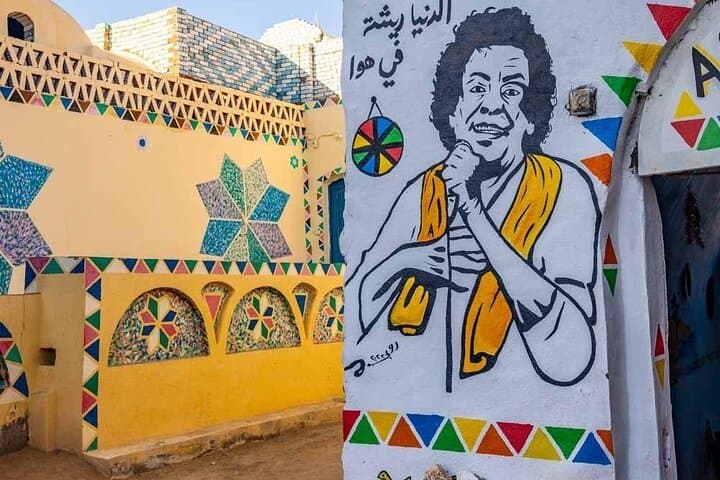
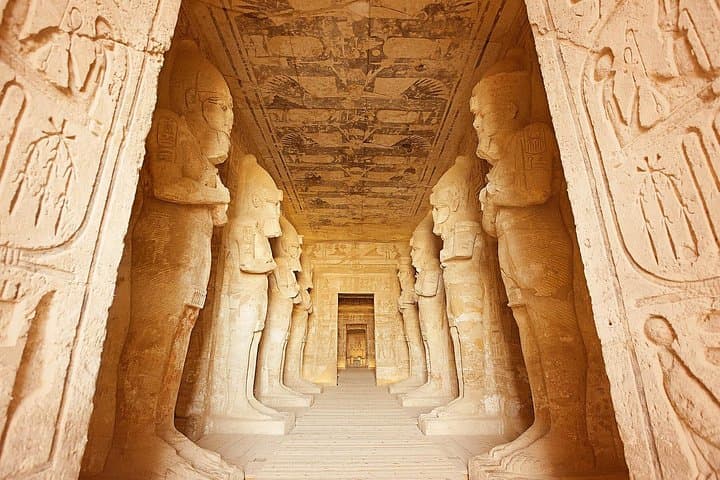
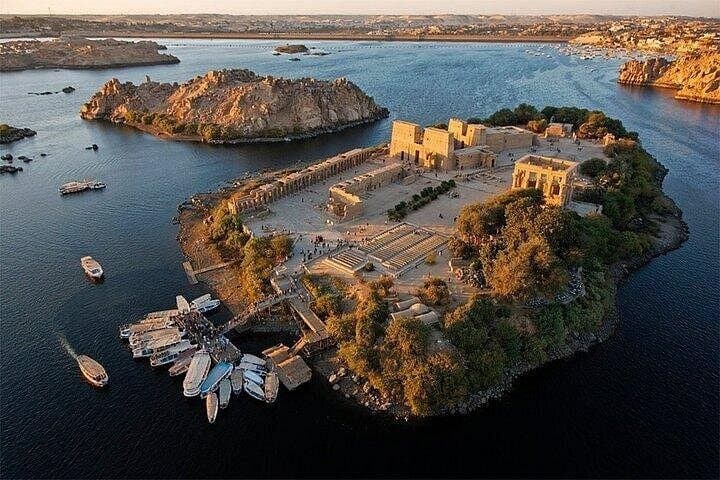
This one‑day loop stitches together Egypt’s deep past and living culture. Abu Simbel began as a 13th‑century BC monument and was famously moved in the 1960s during the UNESCO Nubia Rescue Operation to save it from the Aswan High Dam reservoir. Philae, relocated to nearby Agilkia Island, preserves layers of Pharaonic, Roman, and Coptic history, while the Nubian village offers a present‑day counterpoint: bright-painted houses, spice stalls, and Nile views where fishing and farming continue much as they have for generations.
Geology here is stark — sandstone and granite carved into temples — and the Nile’s long floodplain shaped the settlement patterns you’ll see. Culturally, expect hospitable vendors and guides who read hieroglyphs into human stories.
Practical edge: this is a long day (about 11–12 hours total) with several short walks on uneven stone and sandy approaches. Bring sun protection, refillable water, sensible shoes, and photocopies of travel documents. If you add an Egyptologist guide or pre‑booked entrance tickets, you’ll move faster at key sites. Pace yourself; the monuments reward slow looking.
Expect an 11–12 hour day; driving to Abu Simbel is roughly three hours each way plus on‑site time and stops.
Premium options may include pre‑arranged tickets; check your booking and bring cash for any local fees or purchases.
The tour lists wheelchair accessibility for transport, but temple approaches have uneven surfaces—contact the operator to confirm accommodations.
Yes—Expert Journey and Premium Explorer options include certified guides for deeper interpretation of carvings and history.
Eyes of Egypt operates guided outdoor trips and adventures with an emphasis on safety, stewardship, and memorable experiences.
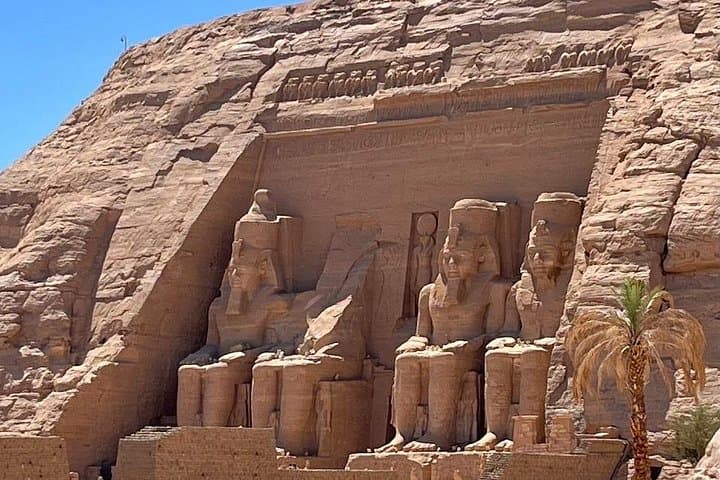
You step into a pale desert morning on the road south from Aswan; the Nile slides alongside like an old companion daring you onward while the highway flattens the horizon toward Abu Simbel’s hulking silhouettes. After roughly three hours of wide sky and occasional roadside stops, the colossi of Ramses II rise out of the rock — four 20‑meter statues that still push against time.
You step into a pale desert morning on the road south from Aswan; the Nile slides alongside like an old companion daring you onward while the highway flattens the horizon toward Abu Simbel’s hulking silhouettes. After roughly three hours of wide sky and occasional roadside stops, the colossi of Ramses II rise out of the rock — four 20‑meter statues that still push against time.
This one‑day loop stitches together Egypt’s deep past and living culture. Abu Simbel began as a 13th‑century BC monument and was famously moved in the 1960s during the UNESCO Nubia Rescue Operation to save it from the Aswan High Dam reservoir. Philae, relocated to nearby Agilkia Island, preserves layers of Pharaonic, Roman, and Coptic history, while the Nubian village offers a present‑day counterpoint: bright-painted houses, spice stalls, and Nile views where fishing and farming continue much as they have for generations.
Geology here is stark — sandstone and granite carved into temples — and the Nile’s long floodplain shaped the settlement patterns you’ll see. Culturally, expect hospitable vendors and guides who read hieroglyphs into human stories.
Practical edge: this is a long day (about 11–12 hours total) with several short walks on uneven stone and sandy approaches. Bring sun protection, refillable water, sensible shoes, and photocopies of travel documents. If you add an Egyptologist guide or pre‑booked entrance tickets, you’ll move faster at key sites. Pace yourself; the monuments reward slow looking.