THE ADVENTURE COLLECTIVE® · Independent discovery and booking for outdoor travel

Spend a day crossing Tenerife’s dramatic climates: from coastal banana plantations to the otherworldly slopes of Teide. This VIP Grand Tour compresses geology, history and village life into an accessible 8–9 hour loop with small-group service and a guide-led pace.
Spend a day crossing Tenerife’s dramatic climates: from coastal banana plantations to the otherworldly slopes of Teide. This VIP Grand Tour compresses geology, history and village life into an accessible 8–9 hour loop with small-group service and a guide-led pace.
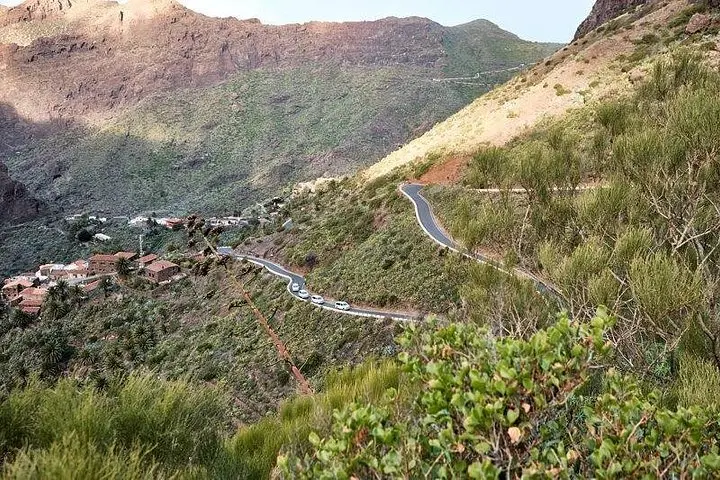
The minivan hums away from the X-sur shopping centre while the Atlantic still holds the hush of morning. In a single long day on the VIP Grand Tour you will cross climate zones, from sun-baked south-coast resorts to wind-scoured pine slopes and the lunar angles of Teide National Park. The road climbs, hairpins into ravines, and at the lip of Masca the hamlet appears like a pocket of stone clinging to a steep throat of volcanic rock.
Verified experiences and guided adventures in the surrounding area.
Operated by Yedra Excursiones en Todoterreno, S.L. · Costa Adeje, Santa Cruz de Tenerife
The minivan hums away from the X-sur shopping centre while the Atlantic still holds the hush of morning. In a single long day on the VIP Grand Tour you will cross climate zones, from sun-baked south-coast resorts to wind-scoured pine slopes and the lunar angles of Teide National Park. The road climbs, hairpins into ravines, and at the lip of Masca the hamlet appears like a pocket of stone clinging to a steep throat of volcanic rock.
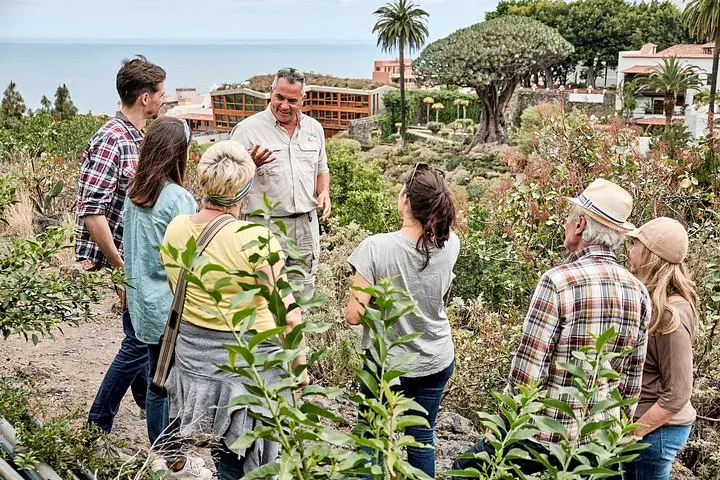
Tenerife is a volcanic island in motion—layers of basalt and pyroclast paint its ridgelines, and Mount Teide, at 3,718 meters, dominates the skyline as Spain’s highest peak. The day’s route threads places shaped by fire and sea: the jagged lava flows that once sealed Garachico’s harbour in 1706; the ancient Drago Milenario in Icod de los Vinos, a living relic of Canary Island flora; and La Orotava’s carved wooden balconies, echoing a colonial past of sugar, wine and maritime trade.
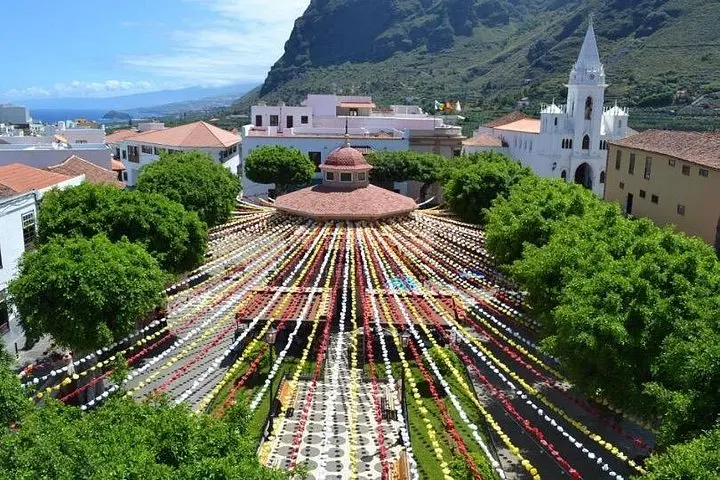
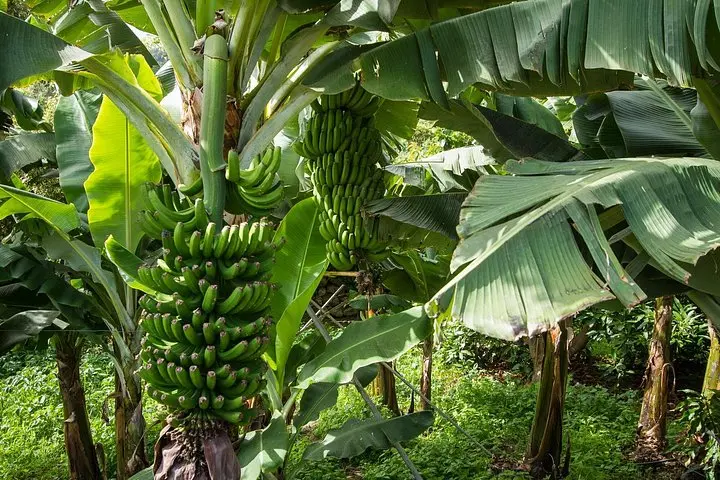
Culture here is compact and tactile. Villages like Masca and La Orotava keep local life visible—small bodegas, stone stairways, and markets selling mojo sauces and local cheeses. Drivers and guides often pause at viewpoints such as Rosa de Piedra and Roques de García; they point out geological layers and tell stories of Guanche inhabitants, the island’s first people, and how agriculture shifted from wheat to sugar to the banana groves you'll pass on the coast.
Practicalities shape the experience as much as scenery. The tour runs about 8–9 hours and covers long road distances with short walking windows—expect several one-hour stops for photos, a sit-down lunch in a traditional casa, and wheelchair-accessible segments. Comfortable shoes and a windproof layer are essential—the temperature can drop several degrees between the coast and Teide. Sunscreen and water matter even on cloudy days; altitude and reflective volcanic rock increase UV exposure.
If you want photos, aim for early or late daylight around Masca or Roques de García; mid-afternoon in La Orotava brings warm street light. Be ready for narrow village streets and steep steps in some stops, but know the tour is designed to accommodate a broad range of fitness levels and includes air-conditioned transport and an experienced guide.
Logistics: meet at 08:20 in Costa Adeje (pickup options available in parts of the south), bring ID, and pack layers, water and a camera. The route rewards patience—the island reveals itself in changing textures: terraced farms, black lava, subtropical gardens and a sky that always seems a little sharper up on Teide.
Pickup can be arranged in parts of South Tenerife—provide your hotel details at booking or call the operator to confirm availability.
Yes; vehicles and many sites on the itinerary are accessible, but request any mobility needs in advance to ensure appropriate arrangements.
The tour includes access to viewpoints and the national park, but special attractions like the Teide cable car are not included—book those separately if you want to go to the summit area.
The tour runs in multiple languages depending on the day—Spanish, English, French, Italian and German are commonly offered on specific departure days.
Lunch is included and typically served at a traditional restaurant—let the operator know dietary restrictions ahead of time.
Full refunds are available if you cancel at least 24 hours before the scheduled departure; check your booking confirmation for details.
Yedra Excursiones en Todoterreno, S.L. operates guided outdoor trips and adventures with an emphasis on safety, stewardship, and memorable experiences.
The minivan hums away from the X-sur shopping centre while the Atlantic still holds the hush of morning. In a single long day on the VIP Grand Tour you will cross climate zones, from sun-baked south-coast resorts to wind-scoured pine slopes and the lunar angles of Teide National Park. The road climbs, hairpins into ravines, and at the lip of Masca the hamlet appears like a pocket of stone clinging to a steep throat of volcanic rock.
The minivan hums away from the X-sur shopping centre while the Atlantic still holds the hush of morning. In a single long day on the VIP Grand Tour you will cross climate zones, from sun-baked south-coast resorts to wind-scoured pine slopes and the lunar angles of Teide National Park. The road climbs, hairpins into ravines, and at the lip of Masca the hamlet appears like a pocket of stone clinging to a steep throat of volcanic rock.
Tenerife is a volcanic island in motion—layers of basalt and pyroclast paint its ridgelines, and Mount Teide, at 3,718 meters, dominates the skyline as Spain’s highest peak. The day’s route threads places shaped by fire and sea: the jagged lava flows that once sealed Garachico’s harbour in 1706; the ancient Drago Milenario in Icod de los Vinos, a living relic of Canary Island flora; and La Orotava’s carved wooden balconies, echoing a colonial past of sugar, wine and maritime trade.
Culture here is compact and tactile. Villages like Masca and La Orotava keep local life visible—small bodegas, stone stairways, and markets selling mojo sauces and local cheeses. Drivers and guides often pause at viewpoints such as Rosa de Piedra and Roques de García; they point out geological layers and tell stories of Guanche inhabitants, the island’s first people, and how agriculture shifted from wheat to sugar to the banana groves you'll pass on the coast.
Practicalities shape the experience as much as scenery. The tour runs about 8–9 hours and covers long road distances with short walking windows—expect several one-hour stops for photos, a sit-down lunch in a traditional casa, and wheelchair-accessible segments. Comfortable shoes and a windproof layer are essential—the temperature can drop several degrees between the coast and Teide. Sunscreen and water matter even on cloudy days; altitude and reflective volcanic rock increase UV exposure.
If you want photos, aim for early or late daylight around Masca or Roques de García; mid-afternoon in La Orotava brings warm street light. Be ready for narrow village streets and steep steps in some stops, but know the tour is designed to accommodate a broad range of fitness levels and includes air-conditioned transport and an experienced guide.
Logistics: meet at 08:20 in Costa Adeje (pickup options available in parts of the south), bring ID, and pack layers, water and a camera. The route rewards patience—the island reveals itself in changing textures: terraced farms, black lava, subtropical gardens and a sky that always seems a little sharper up on Teide.