THE ADVENTURE COLLECTIVE® · Independent discovery and booking for outdoor travel

Cross a tide-driven tombolo, stroll past sugarcane fields and taste local rum on a private North Atlantic tour of rural Martinique. This customizable half- to full-day experience blends coastal geology, plantation history and kreol culture.
Cross a tide-driven tombolo, stroll past sugarcane fields and taste local rum on a private North Atlantic tour of rural Martinique. This customizable half- to full-day experience blends coastal geology, plantation history and kreol culture.
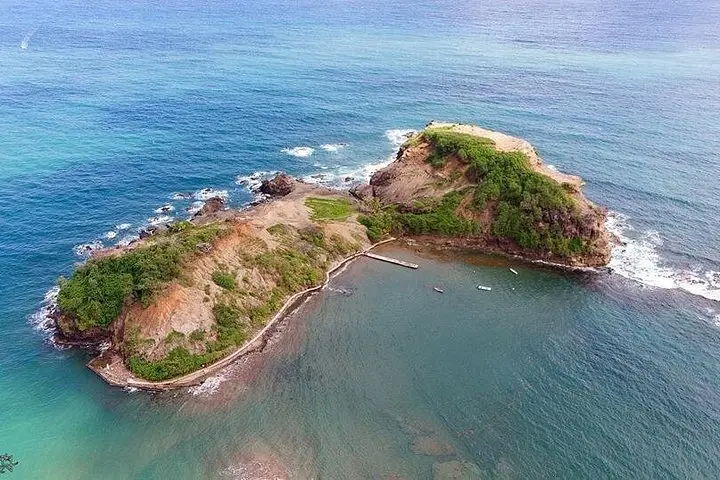
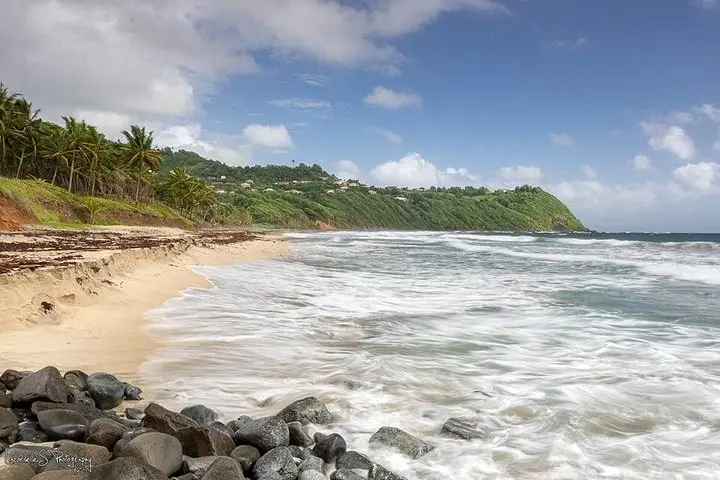
A low sun skims the Atlantic as the guide opens the gate to a narrow causeway. The sea pulls back in a long, slow breath and a strip of sand appears — a tombolo that links you to a bare islet for a few short hours. Wind pushes through tall sugarcane; the scent of cut stalks and rum stills the air. This is the north Atlantic edge of Martinique: exposed coasts, scrubby hills and pockets of plantation history where the island’s colonial past meets living kreol culture.
Verified experiences and guided adventures in the surrounding area.
Operated by Kreol Harbour Touring-Private Caribbean · Fort-de-France, Martinique
A low sun skims the Atlantic as the guide opens the gate to a narrow causeway. The sea pulls back in a long, slow breath and a strip of sand appears — a tombolo that links you to a bare islet for a few short hours. Wind pushes through tall sugarcane; the scent of cut stalks and rum stills the air. This is the north Atlantic edge of Martinique: exposed coasts, scrubby hills and pockets of plantation history where the island’s colonial past meets living kreol culture.
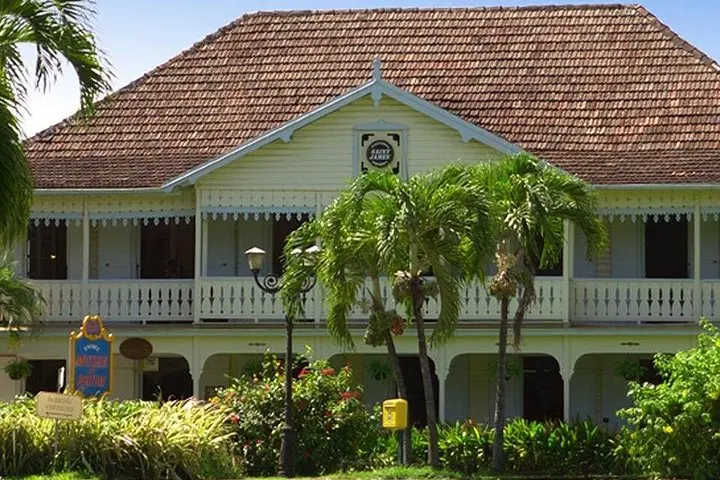
Geology here is recent volcanic and marine interplay: rocky headlands give way to sandy spits and tidal flats that form tombolos. Historically the northeast saw plantation agriculture, rum distillation and coastal forts; sites like Château Dubuc speak to that layered past. Local life centers on small coastal towns, family-run rum estates, banana plots and protected reserves such as La Caravelle.
On a private half- to full-day tour visitors typically walk a tide-dependent causeway, visit a sugarcane or banana operation, and sample local juices or rum. Expect uneven sand, short hikes and warm, salty wind. Guides can swap stops—rum estates, a banana museum, or Dubuc Castle—depending on interest.
Practical guidance: check tide tables before planning the tombolo crossing, bring sun protection and sturdy shoes you don’t mind getting sandy, and carry water. A moderate fitness level makes the day comfortable; the best light for photos is early morning or late afternoon when tides align and colors deepen. Respect sensitive habitats and local customs, and allow flexibility—this coast changes with the tide.
The tombolo is tide-dependent and is typically accessible around low tide; guides plan crossings against local tide tables and may adjust the itinerary if tides aren’t favorable.
Many families join—children and seniors with moderate mobility can participate, but expect uneven sand and short walks; request infant seats or specific accessibility needs when booking.
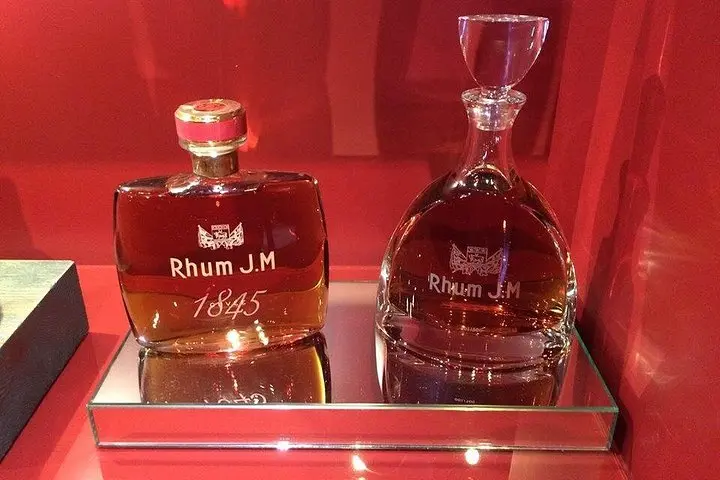
Some itineraries include a rum estate visit or tastings; the operator can substitute a banana museum or historical site if you prefer no alcohol—confirm choices when booking.
Yes, the private format allows swapping stops (rum estate, banana museum, Dubuc Castle, Caravelle reserve) depending on timing and interests—confirm 48+ hours in advance for reserve admissions.
Kreol Harbour Touring-Private Caribbean operates guided outdoor trips and adventures with an emphasis on safety, stewardship, and memorable experiences.
A low sun skims the Atlantic as the guide opens the gate to a narrow causeway. The sea pulls back in a long, slow breath and a strip of sand appears — a tombolo that links you to a bare islet for a few short hours. Wind pushes through tall sugarcane; the scent of cut stalks and rum stills the air. This is the north Atlantic edge of Martinique: exposed coasts, scrubby hills and pockets of plantation history where the island’s colonial past meets living kreol culture.
A low sun skims the Atlantic as the guide opens the gate to a narrow causeway. The sea pulls back in a long, slow breath and a strip of sand appears — a tombolo that links you to a bare islet for a few short hours. Wind pushes through tall sugarcane; the scent of cut stalks and rum stills the air. This is the north Atlantic edge of Martinique: exposed coasts, scrubby hills and pockets of plantation history where the island’s colonial past meets living kreol culture.
Geology here is recent volcanic and marine interplay: rocky headlands give way to sandy spits and tidal flats that form tombolos. Historically the northeast saw plantation agriculture, rum distillation and coastal forts; sites like Château Dubuc speak to that layered past. Local life centers on small coastal towns, family-run rum estates, banana plots and protected reserves such as La Caravelle.
On a private half- to full-day tour visitors typically walk a tide-dependent causeway, visit a sugarcane or banana operation, and sample local juices or rum. Expect uneven sand, short hikes and warm, salty wind. Guides can swap stops—rum estates, a banana museum, or Dubuc Castle—depending on interest.
Practical guidance: check tide tables before planning the tombolo crossing, bring sun protection and sturdy shoes you don’t mind getting sandy, and carry water. A moderate fitness level makes the day comfortable; the best light for photos is early morning or late afternoon when tides align and colors deepen. Respect sensitive habitats and local customs, and allow flexibility—this coast changes with the tide.