THE ADVENTURE COLLECTIVE® · Independent discovery and booking for outdoor travel

Join a live, private Zoom walk through Beijing’s streets, temples, and kitchens. This 60–90 minute guided experience blends imperial history, modern architecture, and street-food culture with close-up access to everyday local life.
Join a live, private Zoom walk through Beijing’s streets, temples, and kitchens. This 60–90 minute guided experience blends imperial history, modern architecture, and street-food culture with close-up access to everyday local life.
Log in, click the Zoom link, and the screen fills with a wide city street: bicycles thread between parked scooters, steam rises from a noodle stall, and a guide gestures toward a red-roofed temple framed by modern towers. Though you’re remote, the tour drops you into Beijing’s living rooms, market alleys, and imperial courtyards in real time.
Verified experiences and guided adventures in the surrounding area.
Operated by George Lee · Beijing, Beijing
Log in, click the Zoom link, and the screen fills with a wide city street: bicycles thread between parked scooters, steam rises from a noodle stall, and a guide gestures toward a red-roofed temple framed by modern towers. Though you’re remote, the tour drops you into Beijing’s living rooms, market alleys, and imperial courtyards in real time.
The guide threads history and geography through the visit — the Forbidden City’s long axis laid down under Ming emperors, the Temple of Heaven’s circular symbolism tied to ancient cosmology, and the Great Wall’s Ming-era battlements cutting sandstone ridges north of the city. Modern Beijing also appears: the Bird’s Nest and Water Cube show the city’s recent architectural ambitions while hutong alleys preserve courtyard life and local practices like morning tai chi and cross talk comedy.
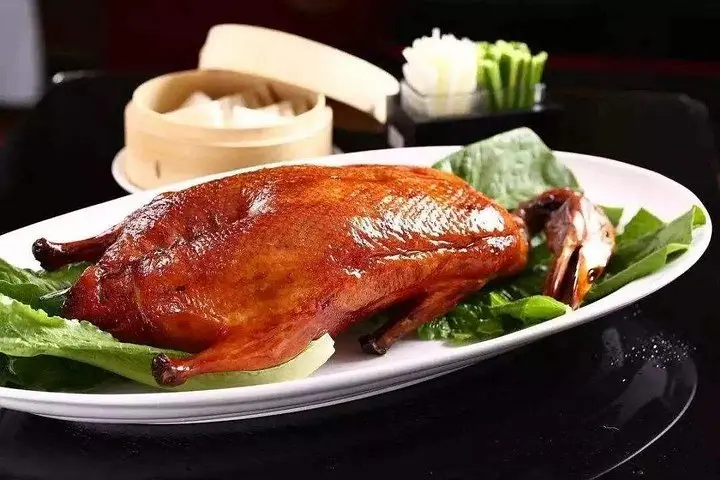
Food becomes a cultural lens: learn the logic behind Peking duck, try to identify the yellow soybean paste in zhajiangmian, and watch, if you dare, clips of unusual street snacks and local pastimes such as cricket fighting. The virtual format lets you ask close-up questions, see household interiors, and pause on details museum tours often miss.
Practical notes: plan for a 60–90 minute session in Asia/Shanghai timezone, test your internet and audio beforehand, and choose a device with a decent screen. This is accessible to most ages and mobility levels, and the guide can tailor stops to interest. Expect a paced, conversational experience that balances cultural context with sensory detail — sight, sound, and the odd culinary surprise.
After booking you’ll receive a Zoom invitation link and instructions; ensure Zoom is installed on your device and join a few minutes early to test audio and video.
Yes — content and pace are family-friendly, but some street-food segments may show unusual snacks; notify the host of age concerns when booking.
Tours are conducted in English by default; confirm language preferences when booking and the guide will accommodate if possible.
Full refund available if you cancel at least 24 hours before the scheduled start; no refund within 24 hours — check your booking confirmation for details.
George Lee operates guided outdoor trips and adventures with an emphasis on safety, stewardship, and memorable experiences.
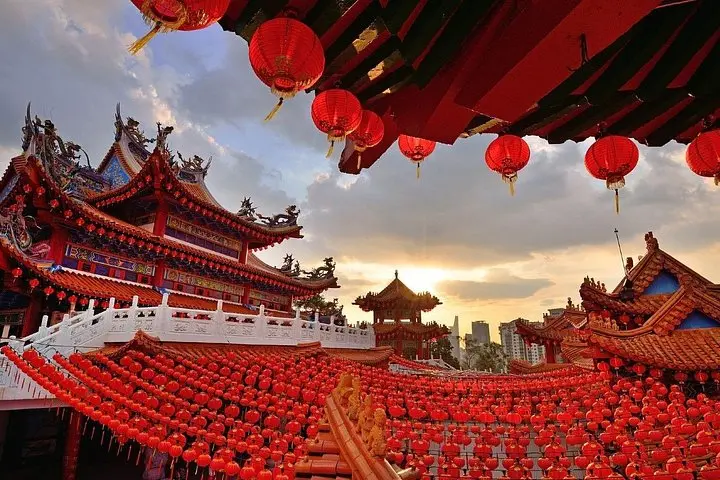


Log in, click the Zoom link, and the screen fills with a wide city street: bicycles thread between parked scooters, steam rises from a noodle stall, and a guide gestures toward a red-roofed temple framed by modern towers. Though you’re remote, the tour drops you into Beijing’s living rooms, market alleys, and imperial courtyards in real time.
Log in, click the Zoom link, and the screen fills with a wide city street: bicycles thread between parked scooters, steam rises from a noodle stall, and a guide gestures toward a red-roofed temple framed by modern towers. Though you’re remote, the tour drops you into Beijing’s living rooms, market alleys, and imperial courtyards in real time.
The guide threads history and geography through the visit — the Forbidden City’s long axis laid down under Ming emperors, the Temple of Heaven’s circular symbolism tied to ancient cosmology, and the Great Wall’s Ming-era battlements cutting sandstone ridges north of the city. Modern Beijing also appears: the Bird’s Nest and Water Cube show the city’s recent architectural ambitions while hutong alleys preserve courtyard life and local practices like morning tai chi and cross talk comedy.
Food becomes a cultural lens: learn the logic behind Peking duck, try to identify the yellow soybean paste in zhajiangmian, and watch, if you dare, clips of unusual street snacks and local pastimes such as cricket fighting. The virtual format lets you ask close-up questions, see household interiors, and pause on details museum tours often miss.
Practical notes: plan for a 60–90 minute session in Asia/Shanghai timezone, test your internet and audio beforehand, and choose a device with a decent screen. This is accessible to most ages and mobility levels, and the guide can tailor stops to interest. Expect a paced, conversational experience that balances cultural context with sensory detail — sight, sound, and the odd culinary surprise.