THE ADVENTURE COLLECTIVE® · Independent discovery and booking for outdoor travel
Cook live with a Delhi-based host and learn to make Pav Bhaji and Sheer Khurma in a two-hour interactive session. Perfect for home cooks who want hands-on guidance, cultural context, and practical tips for sourcing spices and timing the dishes.
Cook live with a Delhi-based host and learn to make Pav Bhaji and Sheer Khurma in a two-hour interactive session. Perfect for home cooks who want hands-on guidance, cultural context, and practical tips for sourcing spices and timing the dishes.
You log on to a small, well-worn kitchen in Delhi and the camera finds a bright-eyed cook arranging spices — turmeric, cumin, garam masala — like tools of an ancient trade. The city hums beyond the window: honking, vendors calling, the occasional rickshaw clack. In this live two-hour class, an instructor from Delhi guides you through Pav Bhaji, a street-food staple, and Sheer Khurma, a cardamom-scented dessert, turning your home kitchen into a front-row seat to contemporary Indian home cooking.
Verified experiences and guided adventures in the surrounding area.
Operated by Tourify India · New Delhi, Delhi
You log on to a small, well-worn kitchen in Delhi and the camera finds a bright-eyed cook arranging spices — turmeric, cumin, garam masala — like tools of an ancient trade. The city hums beyond the window: honking, vendors calling, the occasional rickshaw clack. In this live two-hour class, an instructor from Delhi guides you through Pav Bhaji, a street-food staple, and Sheer Khurma, a cardamom-scented dessert, turning your home kitchen into a front-row seat to contemporary Indian home cooking.
Delhi’s food reflects layered histories: Mughal kitchens, colonial markets, and a centuries-old spice trade that reshaped regional palates. Pav Bhaji grew from street vendors who mashed seasonal vegetables into a punchy curry; Sheer Khurma traces to Indo-Persian celebratory sweets. Expect practical demonstrations — chopping, tempering spices (tadka), and balancing heat — interspersed with cultural notes about festivals, market sourcing, and family table etiquette.
Practical guidance: review the ingredient list ahead, pre-measure spices, and have a sturdy pan and masher ready. The class is live and interactive, so stable internet and a webcam positioned to show your workspace help the instructor give real-time feedback. For accessibility, hosts often provide clear verbal steps and accommodate pace. Plan for two hours and a bit of cleanup: Indian cooking rewards attention to timing and layering flavors.
This is a culinary field trip rather than a passive demo: you’ll cook, taste, and learn to adapt recipes to local ingredients. Beyond recipes, you’ll come away with techniques — how to bloom spices, achieve the signature mash-and-sizzle of Pav Bhaji, and finish a milk-based dessert without scalding — skills that extend to many South Asian dishes.
No; the class is designed for beginners and intermediate cooks with step-by-step instruction and real-time corrections.
Hosts commonly suggest substitutions using pantry staples and will advise on quantities to approximate the intended flavor.
Recording policies vary — check the booking page or ask the host; many offer recordings or recipe notes after class.
Instructors typically announce both or clarify on request; prepare measuring tools for either system to follow accurately.
Tourify India operates guided outdoor trips and adventures with an emphasis on safety, stewardship, and memorable experiences.
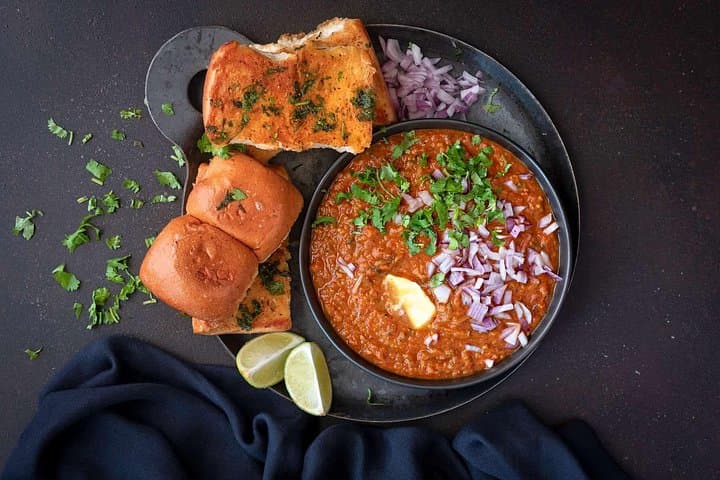
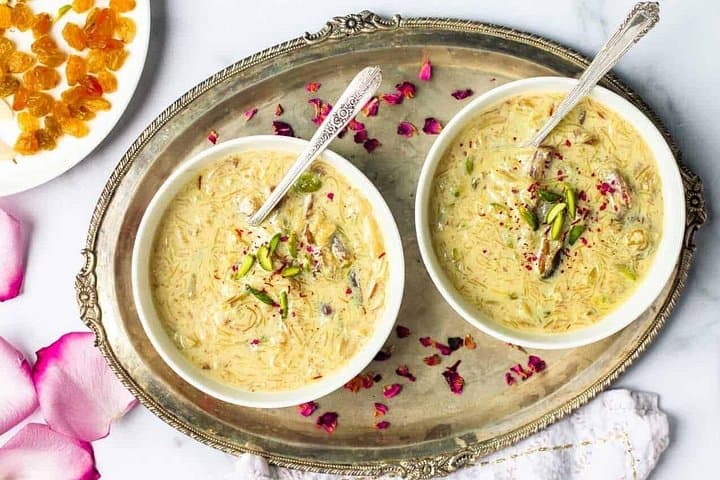
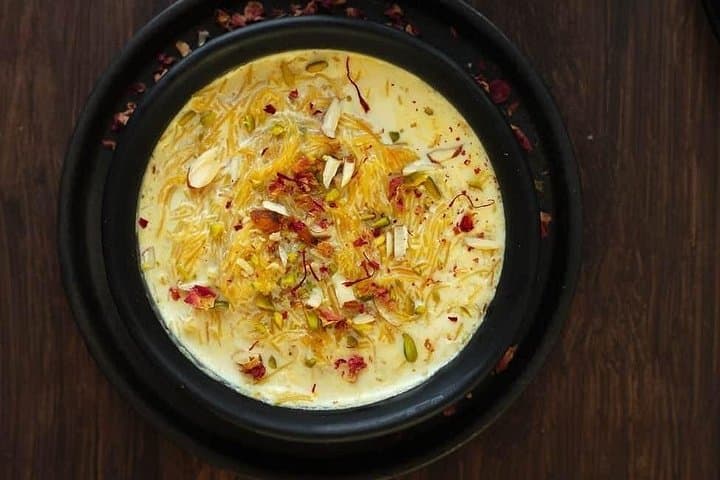
You log on to a small, well-worn kitchen in Delhi and the camera finds a bright-eyed cook arranging spices — turmeric, cumin, garam masala — like tools of an ancient trade. The city hums beyond the window: honking, vendors calling, the occasional rickshaw clack. In this live two-hour class, an instructor from Delhi guides you through Pav Bhaji, a street-food staple, and Sheer Khurma, a cardamom-scented dessert, turning your home kitchen into a front-row seat to contemporary Indian home cooking.
You log on to a small, well-worn kitchen in Delhi and the camera finds a bright-eyed cook arranging spices — turmeric, cumin, garam masala — like tools of an ancient trade. The city hums beyond the window: honking, vendors calling, the occasional rickshaw clack. In this live two-hour class, an instructor from Delhi guides you through Pav Bhaji, a street-food staple, and Sheer Khurma, a cardamom-scented dessert, turning your home kitchen into a front-row seat to contemporary Indian home cooking.
Delhi’s food reflects layered histories: Mughal kitchens, colonial markets, and a centuries-old spice trade that reshaped regional palates. Pav Bhaji grew from street vendors who mashed seasonal vegetables into a punchy curry; Sheer Khurma traces to Indo-Persian celebratory sweets. Expect practical demonstrations — chopping, tempering spices (tadka), and balancing heat — interspersed with cultural notes about festivals, market sourcing, and family table etiquette.
Practical guidance: review the ingredient list ahead, pre-measure spices, and have a sturdy pan and masher ready. The class is live and interactive, so stable internet and a webcam positioned to show your workspace help the instructor give real-time feedback. For accessibility, hosts often provide clear verbal steps and accommodate pace. Plan for two hours and a bit of cleanup: Indian cooking rewards attention to timing and layering flavors.
This is a culinary field trip rather than a passive demo: you’ll cook, taste, and learn to adapt recipes to local ingredients. Beyond recipes, you’ll come away with techniques — how to bloom spices, achieve the signature mash-and-sizzle of Pav Bhaji, and finish a milk-based dessert without scalding — skills that extend to many South Asian dishes.
