THE ADVENTURE COLLECTIVE® · Independent discovery and booking for outdoor travel

Experience Kyoto’s major sights from home: Kiyomizu-dera’s wooden veranda, Arashiyama’s towering bamboo, Iwatayama’s macaques, and the Kyoto International Manga Museum. This 60-minute virtual walking tour blends history, culture, and practical tips for planning a future visit.
Experience Kyoto’s major sights from home: Kiyomizu-dera’s wooden veranda, Arashiyama’s towering bamboo, Iwatayama’s macaques, and the Kyoto International Manga Museum. This 60-minute virtual walking tour blends history, culture, and practical tips for planning a future visit.
A thin winter sun filters through the slats of Arashiyama’s bamboo as your guide pans the camera—stalks sway like a living corridor that dares you to follow. Moments later the view jumps to Kiyomizu-dera’s timber veranda, cantilevered above the city, and then to the raucous but calm troop of macaques at Iwatayama, inspecting visitors with human curiosity.
Verified experiences and guided adventures in the surrounding area.
Operated by Best traveling of Japan · Kyoto, Kyoto Prefecture
A thin winter sun filters through the slats of Arashiyama’s bamboo as your guide pans the camera—stalks sway like a living corridor that dares you to follow. Moments later the view jumps to Kiyomizu-dera’s timber veranda, cantilevered above the city, and then to the raucous but calm troop of macaques at Iwatayama, inspecting visitors with human curiosity.
Kyoto was Japan’s political and cultural heart for more than a millennium; its streets and temples record shifts in religion, aesthetics, and urban design. Geologically, the city rests in a basin ringed by low mountains that funnel rivers like the Kamo, which has long shaped Kyoto’s neighborhoods and festivals. Culturally, expect contrasts: silent temple gardens, crowded shopping lanes, and the pop culture pulse of the Kyoto International Manga Museum with hundreds of thousands of volumes.
This virtual walking tour stitches those experiences into a focused 60-minute session—visual exploration, local commentary, and optional Q&A or short language practice. It’s ideal for planning an in-person visit or for armchair travelers who want accurate, on-the-ground orientation.
Practical guidance: book for a time that aligns with Japan Standard Time (UTC+9), use a wired connection or 5GHz Wi‑Fi to prevent dropouts, and watch on a tablet or laptop for the best framing. Have headphones for ambient sound, and if you’re viewing for research, keep notes and screenshots. Be respectful in chat—temple etiquette and feeding wildlife are sensitive topics. With a little preparation, the virtual tour gives a clear, portable sense of Kyoto’s streets, shrines, and modern culture.
The live virtual walking tour runs approximately 60 minutes, with time for Q&A if scheduled.
Yes; the tour listing notes flexibility—guides typically accommodate requests when possible within the hour.
Yes—because it’s virtual, all filmed locations are presented via camera and commentary; on-site accessibility details can be provided by the guide.
Tours are usually conducted in English with some Japanese phrases; check the booking page for language options or private-tour arrangements.
Best traveling of Japan operates guided outdoor trips and adventures with an emphasis on safety, stewardship, and memorable experiences.
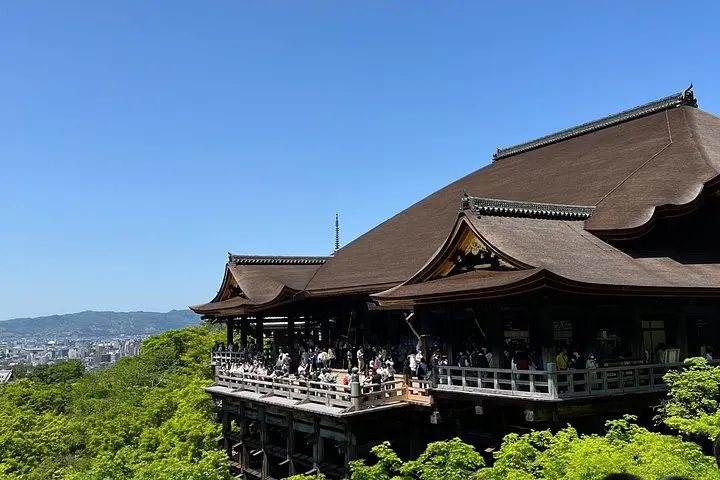
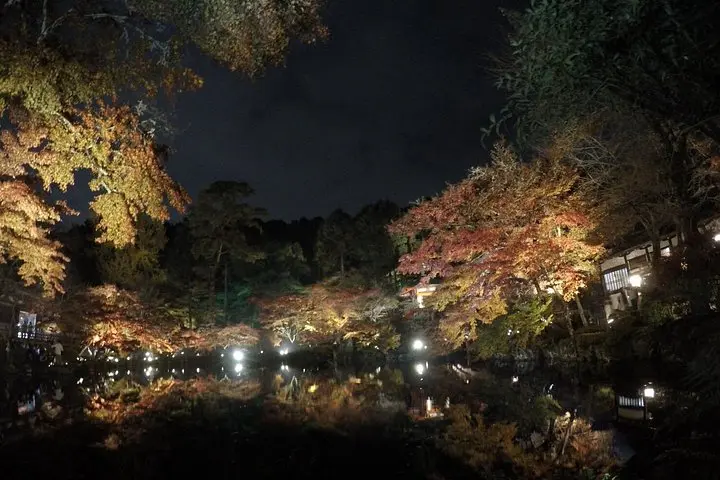
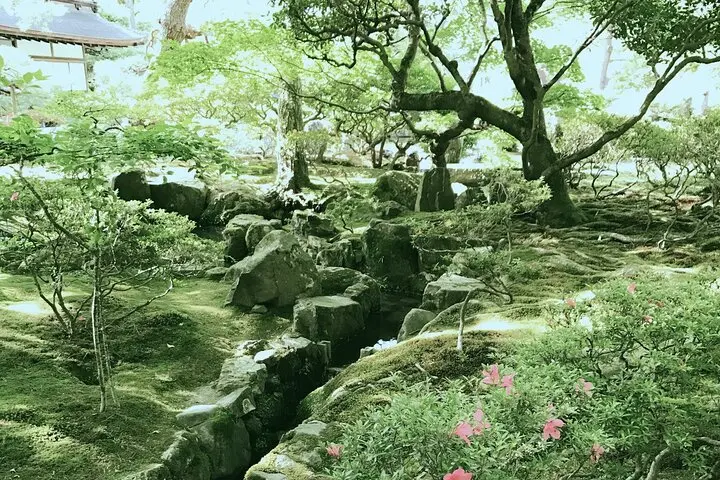
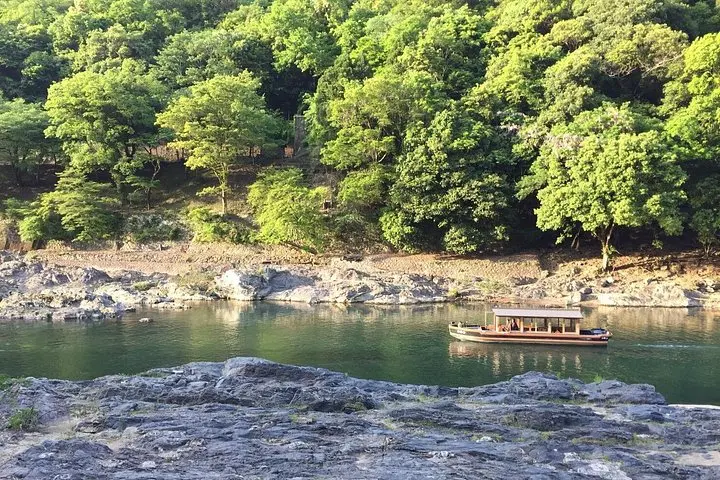
A thin winter sun filters through the slats of Arashiyama’s bamboo as your guide pans the camera—stalks sway like a living corridor that dares you to follow. Moments later the view jumps to Kiyomizu-dera’s timber veranda, cantilevered above the city, and then to the raucous but calm troop of macaques at Iwatayama, inspecting visitors with human curiosity.
A thin winter sun filters through the slats of Arashiyama’s bamboo as your guide pans the camera—stalks sway like a living corridor that dares you to follow. Moments later the view jumps to Kiyomizu-dera’s timber veranda, cantilevered above the city, and then to the raucous but calm troop of macaques at Iwatayama, inspecting visitors with human curiosity.
Kyoto was Japan’s political and cultural heart for more than a millennium; its streets and temples record shifts in religion, aesthetics, and urban design. Geologically, the city rests in a basin ringed by low mountains that funnel rivers like the Kamo, which has long shaped Kyoto’s neighborhoods and festivals. Culturally, expect contrasts: silent temple gardens, crowded shopping lanes, and the pop culture pulse of the Kyoto International Manga Museum with hundreds of thousands of volumes.
This virtual walking tour stitches those experiences into a focused 60-minute session—visual exploration, local commentary, and optional Q&A or short language practice. It’s ideal for planning an in-person visit or for armchair travelers who want accurate, on-the-ground orientation.
Practical guidance: book for a time that aligns with Japan Standard Time (UTC+9), use a wired connection or 5GHz Wi‑Fi to prevent dropouts, and watch on a tablet or laptop for the best framing. Have headphones for ambient sound, and if you’re viewing for research, keep notes and screenshots. Be respectful in chat—temple etiquette and feeding wildlife are sensitive topics. With a little preparation, the virtual tour gives a clear, portable sense of Kyoto’s streets, shrines, and modern culture.