THE ADVENTURE COLLECTIVE® · Independent discovery and booking for outdoor travel

Explore Parco Ittico Paradiso’s spring-fed ponds, underwater observatories and family-friendly trails. This practical guide covers what to see, how long to stay, and tips for making the most of a gentle wildlife-focused outing near Lodi.
Explore Parco Ittico Paradiso’s spring-fed ponds, underwater observatories and family-friendly trails. This practical guide covers what to see, how long to stay, and tips for making the most of a gentle wildlife-focused outing near Lodi.
A thin mist lifts off spring channels as you step through the gate at Parco Ittico Paradiso, the low hum of water and soft clucks from the stork aviary framing a walk that feels more like discovery than a day at a park.
Verified experiences and guided adventures in the surrounding area.
Operated by Parco Ittico Paradiso · Zelo Buon Persico, Lombardy
A thin mist lifts off spring channels as you step through the gate at Parco Ittico Paradiso, the low hum of water and soft clucks from the stork aviary framing a walk that feels more like discovery than a day at a park.
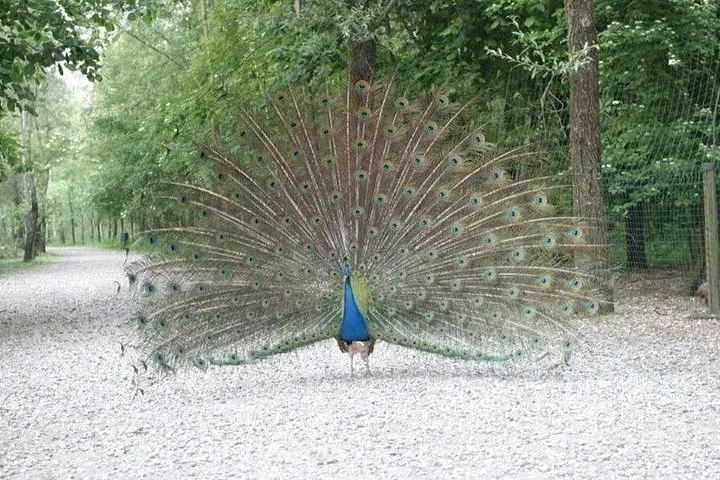
Spread across roughly 13 hectares on the Lombardy plain, the park was designed as a protected wetland where spring-fed canals, ponds and small lakes host more than a dozen freshwater fish species—including koi, larger sturgeon and native carp—visible through underwater observatories. The terrain is low-gradient and largely flat, shaped by the alluvial soils of the Po Valley; human infrastructure is minimal and intentionally unobtrusive to prioritize resident wildlife and aquatic plants like water lilies and reeds.
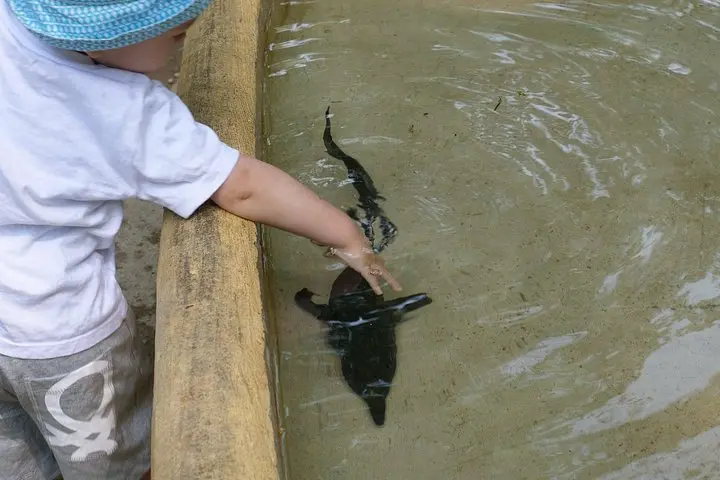
Culturally it sits close to small agricultural towns; a working mini-farm and picnic bar give the place a practical, family-friendly edge. You’ll pass a raised touch pool, a fallow-deer enclosure, and play structures for children, all arranged to encourage observation rather than containment.
Plan 2–3 hours to move slowly through trails, watch from underwater windows and visit the educational farm. Paths are wheelchair-accessible and stroller-friendly but can be damp near springs—waterproof footwear is smart. Peak bird activity is at dawn and dusk, while midday is best for the picnic area and the snack bar. Respect signage: do not feed wildlife, keep to paths, and use the raised viewing areas to avoid disturbing shallow beds. Mobile tickets and skip-the-line access streamline entry, making this a low-effort, high-observation outing for families and nature watchers.
Yes—paths and key facilities are wheelchair- and stroller-accessible, with ramps and flat surfaces throughout much of the park.
Service animals are allowed; other pets are generally not permitted to protect wildlife and other visitors.
Yes—the park includes a free playground, a Tibetan bridge, slides, swings and an educational mini-farm ideal for children.
Mobile or paper tickets are accepted and it’s a skip-the-line entry; cancel at least 24 hours in advance for a full refund per the standard policy.
Parco Ittico Paradiso operates guided outdoor trips and adventures with an emphasis on safety, stewardship, and memorable experiences.
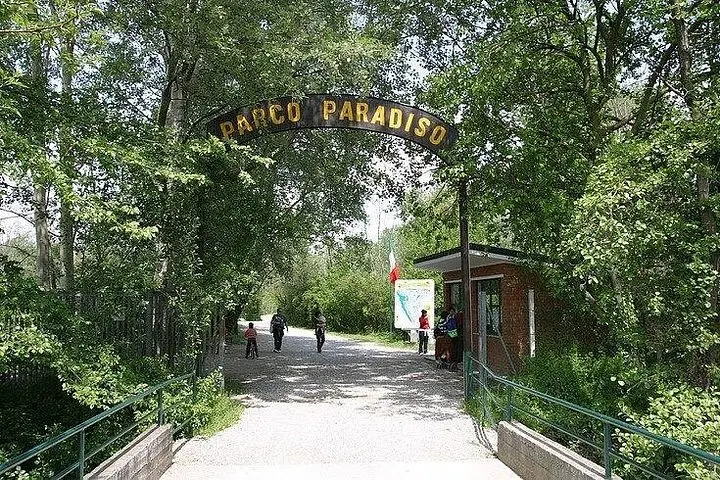

A thin mist lifts off spring channels as you step through the gate at Parco Ittico Paradiso, the low hum of water and soft clucks from the stork aviary framing a walk that feels more like discovery than a day at a park.
A thin mist lifts off spring channels as you step through the gate at Parco Ittico Paradiso, the low hum of water and soft clucks from the stork aviary framing a walk that feels more like discovery than a day at a park.
Spread across roughly 13 hectares on the Lombardy plain, the park was designed as a protected wetland where spring-fed canals, ponds and small lakes host more than a dozen freshwater fish species—including koi, larger sturgeon and native carp—visible through underwater observatories. The terrain is low-gradient and largely flat, shaped by the alluvial soils of the Po Valley; human infrastructure is minimal and intentionally unobtrusive to prioritize resident wildlife and aquatic plants like water lilies and reeds.
Culturally it sits close to small agricultural towns; a working mini-farm and picnic bar give the place a practical, family-friendly edge. You’ll pass a raised touch pool, a fallow-deer enclosure, and play structures for children, all arranged to encourage observation rather than containment.
Plan 2–3 hours to move slowly through trails, watch from underwater windows and visit the educational farm. Paths are wheelchair-accessible and stroller-friendly but can be damp near springs—waterproof footwear is smart. Peak bird activity is at dawn and dusk, while midday is best for the picnic area and the snack bar. Respect signage: do not feed wildlife, keep to paths, and use the raised viewing areas to avoid disturbing shallow beds. Mobile tickets and skip-the-line access streamline entry, making this a low-effort, high-observation outing for families and nature watchers.