THE ADVENTURE COLLECTIVE® · Independent discovery and booking for outdoor travel

See Arctic mammals and birdlife just south of Rovaniemi at Ranua Zoo. Spend a half-day following boardwalks and viewing enclosures that reflect glacially shaped terrain and local culture.
See Arctic mammals and birdlife just south of Rovaniemi at Ranua Zoo. Spend a half-day following boardwalks and viewing enclosures that reflect glacially shaped terrain and local culture.
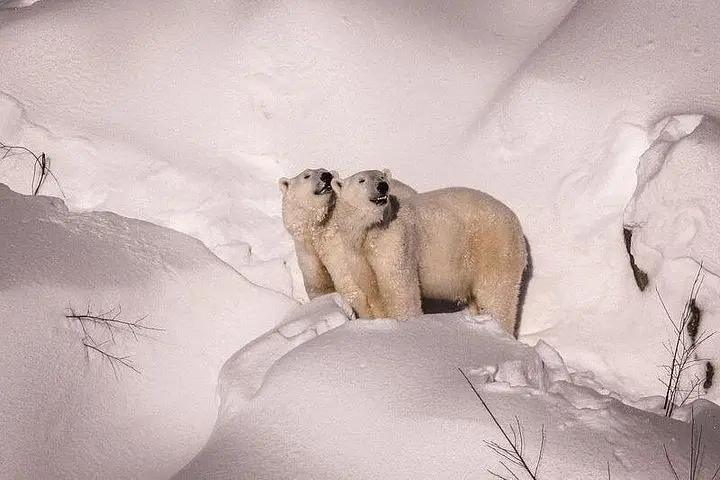
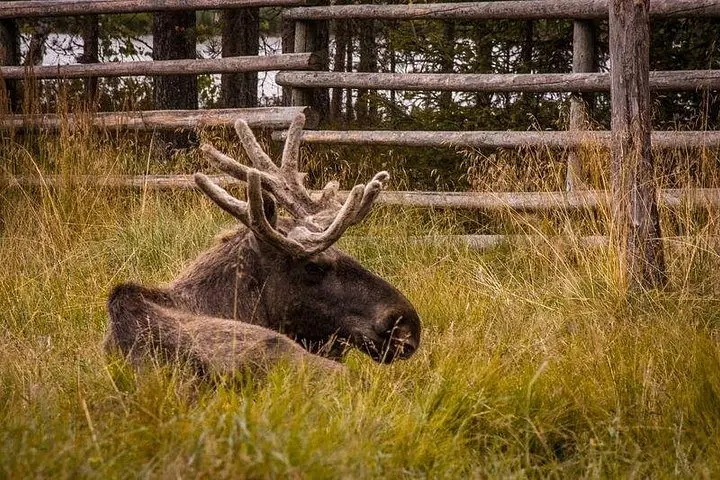
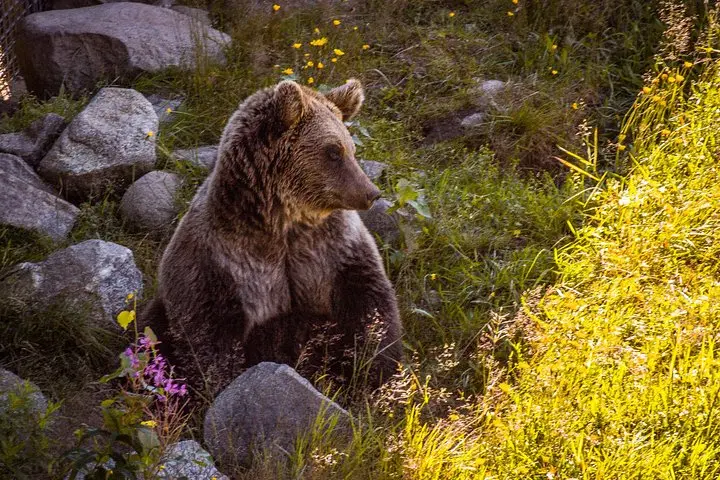
A thin Arctic light falls across wooden boardwalks as you arrive at Ranua Zoo, the far-northern park where brown bears stretch and snowy owls regard visitors with cool curiosity. Walkways thread through stands of pines and peatland; the air carries resin and the sharp mineral tang of northern lakes. The animals move with the deliberate rhythms of this latitude, and the landscape seems to measure out time by seasons.
Verified experiences and guided adventures in the surrounding area.
Operated by Helios tour · Ranua, Lapland
A thin Arctic light falls across wooden boardwalks as you arrive at Ranua Zoo, the far-northern park where brown bears stretch and snowy owls regard visitors with cool curiosity. Walkways thread through stands of pines and peatland; the air carries resin and the sharp mineral tang of northern lakes. The animals move with the deliberate rhythms of this latitude, and the landscape seems to measure out time by seasons.
Ranua opened in 1983 as a facility focused on species that live "at the top of the world." The site sits on glacially sculpted terrain—moraine hummocks, peat bogs, and shallow lakes left by retreating ice—that shapes enclosures and viewing points. Sami culture and Lapland’s foraging traditions inform the small interpretive displays and the zoo’s use of local berries and reindeer products in its restaurant offerings.
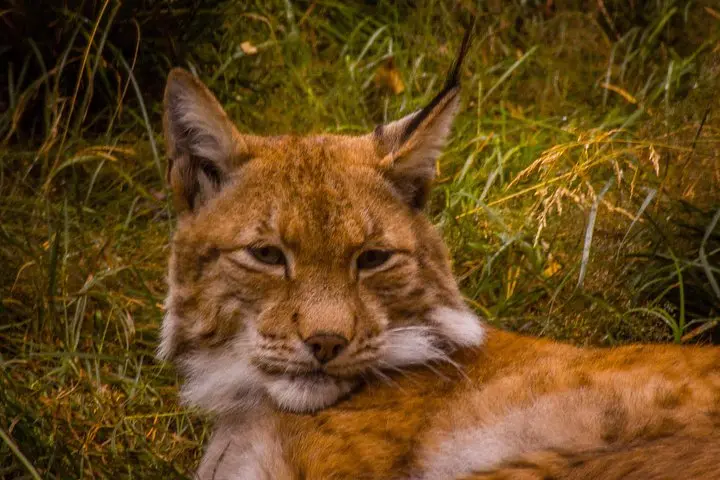
Expect a mix of outdoor trails and sheltered buildings: enclosures mirror natural habitats for lynx, wolverines, arctic foxes, and seals. The zoo’s emphasis is educational and conservation-minded; keep ears open for ranger talks and feeding windows.
Practical guidance: plan for roughly 3–5 hours on site, dress in layers for sudden wind or rain, and wear waterproof footwear—boardwalks can be wet in shoulder seasons. Bring coins or a card for the Fazer chocolate shop and berry wines, and time your visit to avoid midday tour drops from Rovaniemi if you want quieter viewing. Cameras with telephoto lenses reward patient observation; binoculars bring distant shorelines and arboreal perches into focus.
The drive takes about one hour by car; many visitors use private transfers or booked excursions. Check departure points and pickup options if booking through a tour operator.
Some packages include transfer and admission; confirm inclusions when booking—this Viator product lists transfer and entrance in its inclusions.
Yes—paths are generally stroller-friendly, and the zoo notes it is suitable for all physical fitness levels; infant seats may be available for transfers.
Many species remain visible year-round, though activity patterns change with daylight; winter visits offer snowy scenes while summer has long daylight for extended viewing.
Helios tour operates guided outdoor trips and adventures with an emphasis on safety, stewardship, and memorable experiences.
A thin Arctic light falls across wooden boardwalks as you arrive at Ranua Zoo, the far-northern park where brown bears stretch and snowy owls regard visitors with cool curiosity. Walkways thread through stands of pines and peatland; the air carries resin and the sharp mineral tang of northern lakes. The animals move with the deliberate rhythms of this latitude, and the landscape seems to measure out time by seasons.
A thin Arctic light falls across wooden boardwalks as you arrive at Ranua Zoo, the far-northern park where brown bears stretch and snowy owls regard visitors with cool curiosity. Walkways thread through stands of pines and peatland; the air carries resin and the sharp mineral tang of northern lakes. The animals move with the deliberate rhythms of this latitude, and the landscape seems to measure out time by seasons.
Ranua opened in 1983 as a facility focused on species that live "at the top of the world." The site sits on glacially sculpted terrain—moraine hummocks, peat bogs, and shallow lakes left by retreating ice—that shapes enclosures and viewing points. Sami culture and Lapland’s foraging traditions inform the small interpretive displays and the zoo’s use of local berries and reindeer products in its restaurant offerings.
Expect a mix of outdoor trails and sheltered buildings: enclosures mirror natural habitats for lynx, wolverines, arctic foxes, and seals. The zoo’s emphasis is educational and conservation-minded; keep ears open for ranger talks and feeding windows.
Practical guidance: plan for roughly 3–5 hours on site, dress in layers for sudden wind or rain, and wear waterproof footwear—boardwalks can be wet in shoulder seasons. Bring coins or a card for the Fazer chocolate shop and berry wines, and time your visit to avoid midday tour drops from Rovaniemi if you want quieter viewing. Cameras with telephoto lenses reward patient observation; binoculars bring distant shorelines and arboreal perches into focus.