THE ADVENTURE COLLECTIVE® · Independent discovery and booking for outdoor travel

Stand at the Cetina’s source — the so-called "Eye of the Earth" — then step into rural Dalmatian life with a farmhouse lunch, water activities and local hospitality. This day tour blends karst geology, easy walks and authentic culinary experiences.
Stand at the Cetina’s source — the so-called "Eye of the Earth" — then step into rural Dalmatian life with a farmhouse lunch, water activities and local hospitality. This day tour blends karst geology, easy walks and authentic culinary experiences.
You arrive at a spring that seems to breathe: a round, glassy eye in the karst, water surfacing with steady insistence and the pine-scented air pulling you closer. Light plays across the Cetina’s source — locally called the "Eye of the Earth" — where cool, crystalline water issues from limestone and spreads into a short, lively stream.
Verified experiences and guided adventures in the surrounding area.
Operated by Golden horizon · Vrlika, Split-Dalmatia County
You arrive at a spring that seems to breathe: a round, glassy eye in the karst, water surfacing with steady insistence and the pine-scented air pulling you closer. Light plays across the Cetina’s source — locally called the "Eye of the Earth" — where cool, crystalline water issues from limestone and spreads into a short, lively stream.
The spring is a product of the Dinaric karst: rain and snow sink through fractured limestone, re-emerging after underground journeys. Human presence here stretches back centuries; the Cetina has fed Illyrian, Roman and medieval communities and today anchors scattered rural households that keep traditional Dalmatian cooking and animal husbandry alive. Expect simple stone terraces, a warm home-cooked lunch (often slow-roasted peka or local cheeses), and conversations about seasonal harvests.
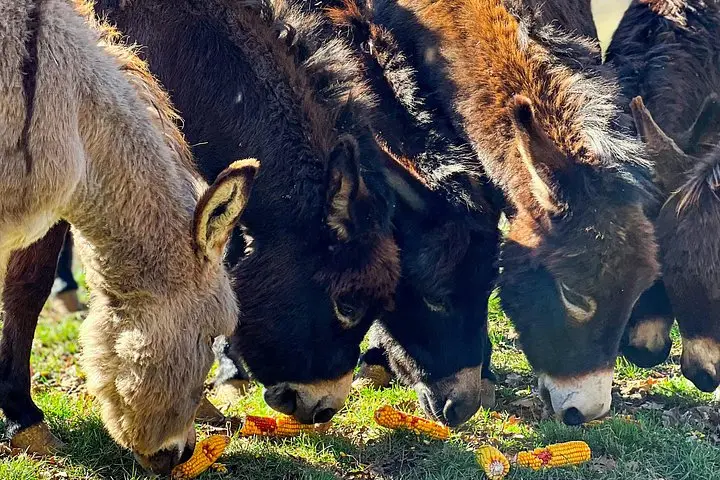
Beyond the source, the day can include swimming in a small lake, snorkeling or paddling on calm water fringed by reeds, and gentle walks along marked paths. Interaction with domestic animals is part of the visit — think friendly chickens, goats and the occasional shepherd dog — and local hosts often demonstrate food preparation and offer tastings with local wine.
Practical guidance: wear sturdy, water-ready shoes for slippery limestone, bring swimwear and a towel, and plan for a full-day outing (roughly 6–7 hours including transfer from Split). Sun protection and a light rain layer are smart in spring and fall. Respect marked paths, avoid soaps in the water, and arrive with an appetite — the rural lunch is a highlight.
The tour runs about 6–7 hours and includes air-conditioned transfer with pick-up and drop-off from Split or nearby accommodations.
Yes; the itinerary is rated easy with minimal walking and family-friendly activities like feeding domestic animals.
Yes. Swimming is offered and kayak or paddleboard rental is typically available at the rural lake area.
A three-course rural lunch with local wine and coffee is provided as part of the experience.
Golden horizon operates guided outdoor trips and adventures with an emphasis on safety, stewardship, and memorable experiences.
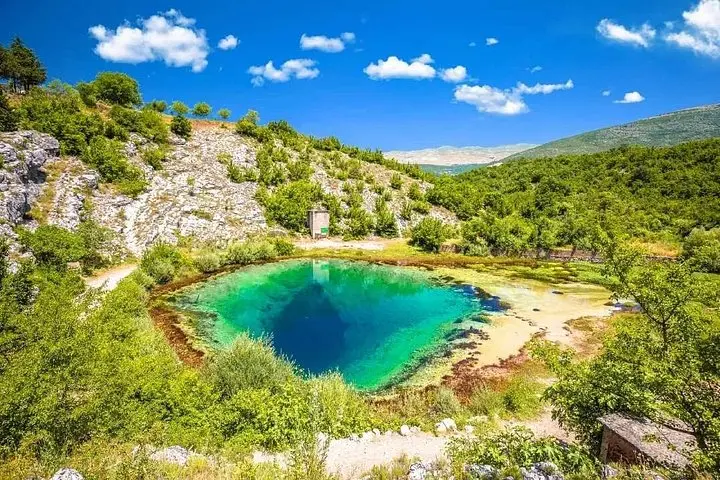
You arrive at a spring that seems to breathe: a round, glassy eye in the karst, water surfacing with steady insistence and the pine-scented air pulling you closer. Light plays across the Cetina’s source — locally called the "Eye of the Earth" — where cool, crystalline water issues from limestone and spreads into a short, lively stream.
You arrive at a spring that seems to breathe: a round, glassy eye in the karst, water surfacing with steady insistence and the pine-scented air pulling you closer. Light plays across the Cetina’s source — locally called the "Eye of the Earth" — where cool, crystalline water issues from limestone and spreads into a short, lively stream.
The spring is a product of the Dinaric karst: rain and snow sink through fractured limestone, re-emerging after underground journeys. Human presence here stretches back centuries; the Cetina has fed Illyrian, Roman and medieval communities and today anchors scattered rural households that keep traditional Dalmatian cooking and animal husbandry alive. Expect simple stone terraces, a warm home-cooked lunch (often slow-roasted peka or local cheeses), and conversations about seasonal harvests.
Beyond the source, the day can include swimming in a small lake, snorkeling or paddling on calm water fringed by reeds, and gentle walks along marked paths. Interaction with domestic animals is part of the visit — think friendly chickens, goats and the occasional shepherd dog — and local hosts often demonstrate food preparation and offer tastings with local wine.
Practical guidance: wear sturdy, water-ready shoes for slippery limestone, bring swimwear and a towel, and plan for a full-day outing (roughly 6–7 hours including transfer from Split). Sun protection and a light rain layer are smart in spring and fall. Respect marked paths, avoid soaps in the water, and arrive with an appetite — the rural lunch is a highlight.