THE ADVENTURE COLLECTIVE® · Independent discovery and booking for outdoor travel

Step into the Glenn H. Curtiss Museum to see original motorcycles, full-size aircraft reproductions and an active restoration shop. This admission grants access to two hours of focused aviation history in the Finger Lakes.
Step into the Glenn H. Curtiss Museum to see original motorcycles, full-size aircraft reproductions and an active restoration shop. This admission grants access to two hours of focused aviation history in the Finger Lakes.
A low, wooden hangar hums with the memory of engines and wind; sun slides across a row of polished fuselages and the June Bug replica leans as if ready to lift again. Step through the Curtiss Museum doors and the air changes from lake-country quiet to the focused energy of early flight — leather, brass, and well-used tools filling the space between exhibits.
Verified experiences and guided adventures in the surrounding area.
Operated by Glenn H. Curtiss Museum · Hammondsport, New York
A low, wooden hangar hums with the memory of engines and wind; sun slides across a row of polished fuselages and the June Bug replica leans as if ready to lift again. Step through the Curtiss Museum doors and the air changes from lake-country quiet to the focused energy of early flight — leather, brass, and well-used tools filling the space between exhibits.
Glenn H. Curtiss rose from bicycle and motorcycle builder to America’s first licensed pilot, pushing speed records and public flight milestones in the early 1900s. The museum’s collection spans his motorcycles, full-size aircraft reproductions, and regional artifacts that tell a practical story of invention, industry, and rural New York’s role in aviation’s birth.
Geology and local culture are present in subtler ways: Keuka Lake’s shoreline farms and timber supplied early aircraft frames, and the Finger Lakes community’s mechanical know-how seeded the restoration tradition still active in the museum’s shop. Volunteers work on original airframes in public view, offering a window into conservation techniques and material challenges of century-old machines.
Practical guidance: plan about two hours, allow extra time for the restoration shop and the theater presentation. Photography is welcomed in most areas — bring a camera and a note-taking app if you enjoy technical detail. There’s free parking and wheelchair access; children under six are free but should be supervised. Visit in the morning for smaller crowds, or time your trip with seasonal events for demonstrations. The museum is an accessible, hands-on stop for anyone interested in the mechanical grit behind early aviation.
The standard visit is about two hours, but aviation enthusiasts should budget extra time for the restoration shop and theater presentations.
Yes — the museum indicates full wheelchair access to exhibits and facilities; contact staff if you have specific needs.
Children are welcome; kids six and under typically enter free but must be accompanied by an adult.
Photography is generally allowed; avoid using flash near delicate artifacts and follow any posted restrictions.
Glenn H. Curtiss Museum operates guided outdoor trips and adventures with an emphasis on safety, stewardship, and memorable experiences.
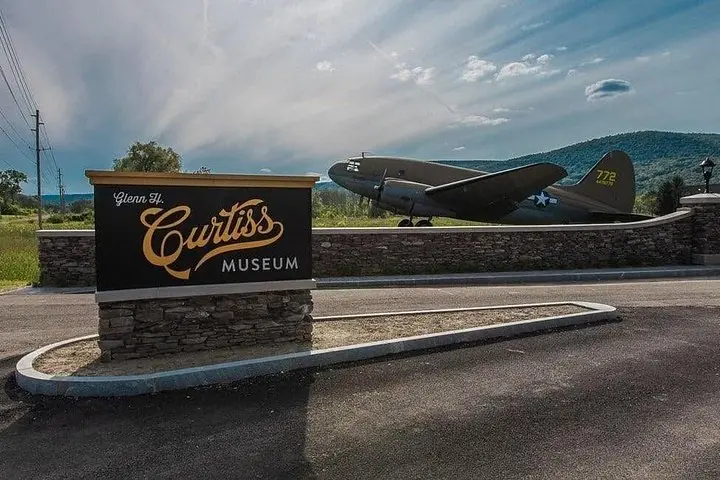
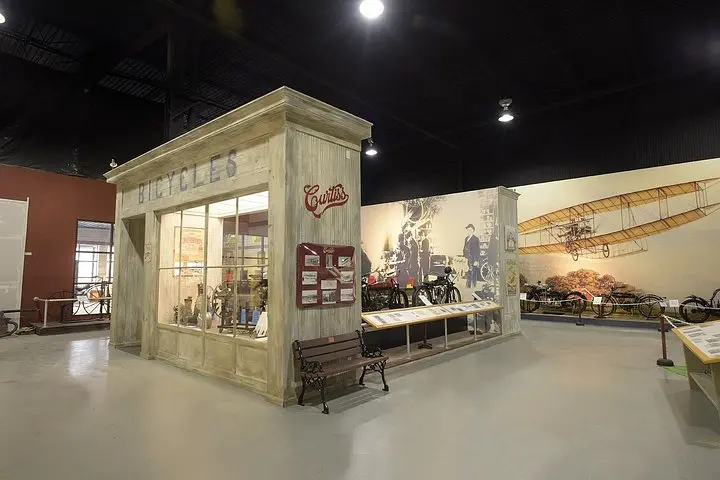
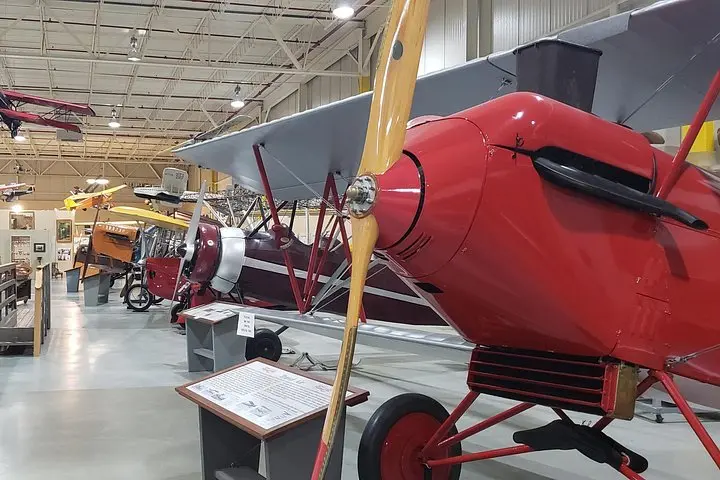
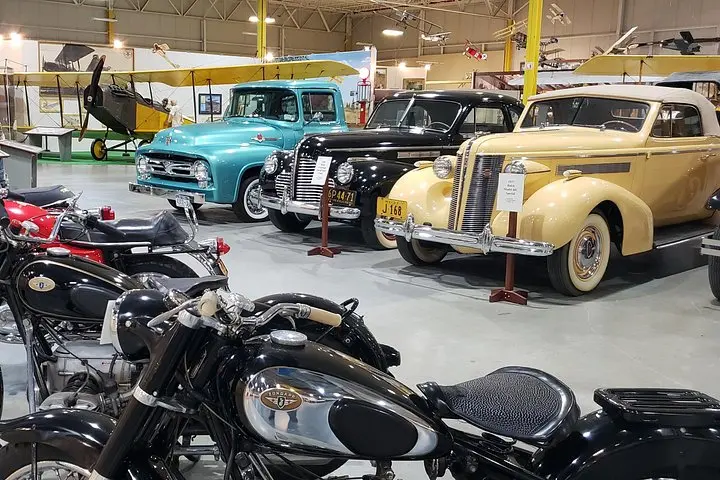
A low, wooden hangar hums with the memory of engines and wind; sun slides across a row of polished fuselages and the June Bug replica leans as if ready to lift again. Step through the Curtiss Museum doors and the air changes from lake-country quiet to the focused energy of early flight — leather, brass, and well-used tools filling the space between exhibits.
A low, wooden hangar hums with the memory of engines and wind; sun slides across a row of polished fuselages and the June Bug replica leans as if ready to lift again. Step through the Curtiss Museum doors and the air changes from lake-country quiet to the focused energy of early flight — leather, brass, and well-used tools filling the space between exhibits.
Glenn H. Curtiss rose from bicycle and motorcycle builder to America’s first licensed pilot, pushing speed records and public flight milestones in the early 1900s. The museum’s collection spans his motorcycles, full-size aircraft reproductions, and regional artifacts that tell a practical story of invention, industry, and rural New York’s role in aviation’s birth.
Geology and local culture are present in subtler ways: Keuka Lake’s shoreline farms and timber supplied early aircraft frames, and the Finger Lakes community’s mechanical know-how seeded the restoration tradition still active in the museum’s shop. Volunteers work on original airframes in public view, offering a window into conservation techniques and material challenges of century-old machines.
Practical guidance: plan about two hours, allow extra time for the restoration shop and the theater presentation. Photography is welcomed in most areas — bring a camera and a note-taking app if you enjoy technical detail. There’s free parking and wheelchair access; children under six are free but should be supervised. Visit in the morning for smaller crowds, or time your trip with seasonal events for demonstrations. The museum is an accessible, hands-on stop for anyone interested in the mechanical grit behind early aviation.