THE ADVENTURE COLLECTIVE® · Independent discovery and booking for outdoor travel

Skip the queues and step into Egypt's largest archaeological museum on a concise, guided half-day tour. Ideal for travelers short on time, this trip pairs climate-controlled transport with expert context on the pharaohs' most iconic artifacts.
Skip the queues and step into Egypt's largest archaeological museum on a concise, guided half-day tour. Ideal for travelers short on time, this trip pairs climate-controlled transport with expert context on the pharaohs' most iconic artifacts.
The sun hits the pale limestone of the Giza plateau and the new stone façade of the Grand Egyptian Museum cuts a modern silhouette against the silhouette of the pyramids. Arriving by air-conditioned vehicle, the experience begins with the bustle of Cairo receding and a hush of antiquity settling over vitrines and galleries.
Verified experiences and guided adventures in the surrounding area.
Operated by Egipto Excursiones · Giza, Giza
The sun hits the pale limestone of the Giza plateau and the new stone façade of the Grand Egyptian Museum cuts a modern silhouette against the silhouette of the pyramids. Arriving by air-conditioned vehicle, the experience begins with the bustle of Cairo receding and a hush of antiquity settling over vitrines and galleries.
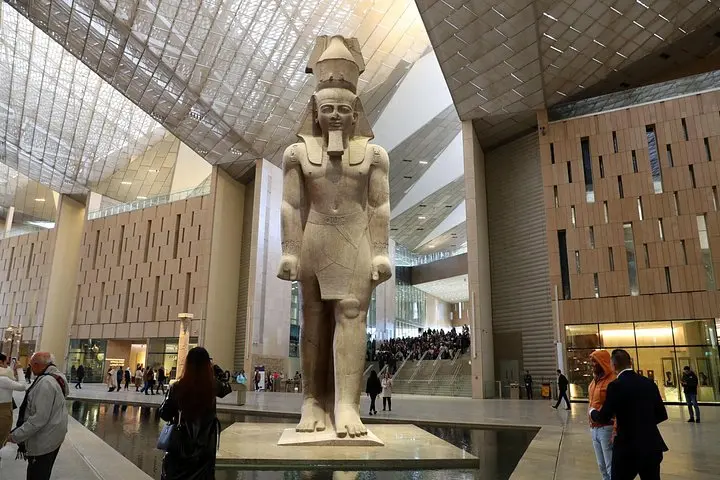
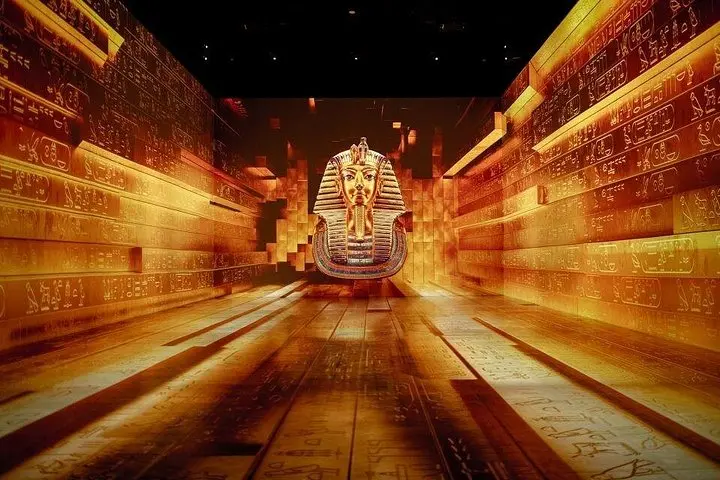
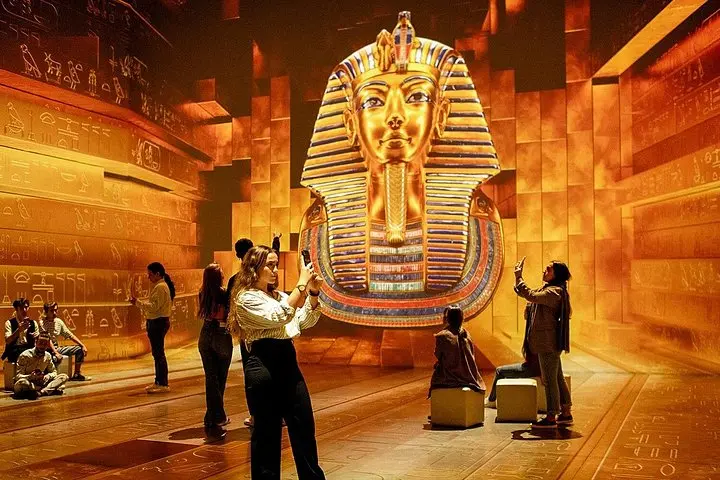
The Grand Egyptian Museum was designed to be a single, comprehensive home for Egypt's archaeological treasures—especially the complete Tutankhamun collection—and to relieve pressure on the old museum in Tahrir. Built adjacent to the Great Pyramids, the site's geology is the same desert plateau that supported pharaonic builders for millennia: compacted limestone, shallow soils and clear sightlines to the Nile valley.
Culturally, the museum sits at the intersection of past and present: modern display techniques and conservation labs meet artifacts that once rode the Nile or lay under sand for thousands of years. Local guides typically connect objects to daily life in ancient Egypt and to ongoing efforts to preserve fragile textiles, wood and painted plaster.
Practically, the half-day tour lasts about three hours and includes pickup, an expert guide, bottled water and skip-the-line entry. The museum may not be fully open in all wings, so prioritize the Tutankhamun galleries and the monumental statuary halls first. Wear comfortable shoes for walking on stone floors and bring sun protection for short outdoor views toward the pyramids. Photography rules and conservation restrictions vary by gallery—follow your guide and signage to protect the collections.
The tour runs approximately three hours, including pickup, guided time in the museum, and short transfers.
Not always—parts of the museum may be closed during phased openings; confirm accessibility when booking.
Full refunds are available if you cancel at least 24 hours before departure per the provider's policy.
The tour is labeled physically easy, but the museum has many stairs and large galleries; contact the operator for accessible options or infant seats.
Egipto Excursiones operates guided outdoor trips and adventures with an emphasis on safety, stewardship, and memorable experiences.
The sun hits the pale limestone of the Giza plateau and the new stone façade of the Grand Egyptian Museum cuts a modern silhouette against the silhouette of the pyramids. Arriving by air-conditioned vehicle, the experience begins with the bustle of Cairo receding and a hush of antiquity settling over vitrines and galleries.
The sun hits the pale limestone of the Giza plateau and the new stone façade of the Grand Egyptian Museum cuts a modern silhouette against the silhouette of the pyramids. Arriving by air-conditioned vehicle, the experience begins with the bustle of Cairo receding and a hush of antiquity settling over vitrines and galleries.
The Grand Egyptian Museum was designed to be a single, comprehensive home for Egypt's archaeological treasures—especially the complete Tutankhamun collection—and to relieve pressure on the old museum in Tahrir. Built adjacent to the Great Pyramids, the site's geology is the same desert plateau that supported pharaonic builders for millennia: compacted limestone, shallow soils and clear sightlines to the Nile valley.
Culturally, the museum sits at the intersection of past and present: modern display techniques and conservation labs meet artifacts that once rode the Nile or lay under sand for thousands of years. Local guides typically connect objects to daily life in ancient Egypt and to ongoing efforts to preserve fragile textiles, wood and painted plaster.
Practically, the half-day tour lasts about three hours and includes pickup, an expert guide, bottled water and skip-the-line entry. The museum may not be fully open in all wings, so prioritize the Tutankhamun galleries and the monumental statuary halls first. Wear comfortable shoes for walking on stone floors and bring sun protection for short outdoor views toward the pyramids. Photography rules and conservation restrictions vary by gallery—follow your guide and signage to protect the collections.