THE ADVENTURE COLLECTIVE® · Independent discovery and booking for outdoor travel
Under Arusha’s clock tower the Maasai Market unfolds in bright rows—beads, carvings and textiles waiting to be tried, bargained for, and taken home. This guide explains what to expect, how to shop respectfully, and practical tips for navigating the market.
Under Arusha’s clock tower the Maasai Market unfolds in bright rows—beads, carvings and textiles waiting to be tried, bargained for, and taken home. This guide explains what to expect, how to shop respectfully, and practical tips for navigating the market.
You step off the car beneath Arusha’s clock tower and walk into a grid of canvas roofs and color—beadwork gleams under the sun, carved wood cools in the shade, and vendors greet visitors with cheerful calls that include the familiar “mzungu.” The market’s rhythm is brisk: baskets are offered to carry finds, hands point to price tiers, and the hum of haggling sets the pace.
Verified experiences and guided adventures in the surrounding area.
Operated by Travel Africa Safari Agency · Arusha, Arusha Region
You step off the car beneath Arusha’s clock tower and walk into a grid of canvas roofs and color—beadwork gleams under the sun, carved wood cools in the shade, and vendors greet visitors with cheerful calls that include the familiar “mzungu.” The market’s rhythm is brisk: baskets are offered to carry finds, hands point to price tiers, and the hum of haggling sets the pace.
The Arusha Maasai Market is less an ethnic enclave than a public marketplace shaped by decades of interregional trade. While Maasai-style beadwork and shukas are prominent, many sellers come from other Tanzanian communities, creating a practical mix of crafts, textiles, and tourist goods. Geologically, Arusha sits at the foot of the Meru and Kilimanjaro volcanic systems, and local woods and stones used in carving reflect that volcanic landscape.
Cultural etiquette here is direct: touch is usually permitted, smiling and a firm but polite negotiation works best, and asking about origin honors artisans. Practicalities matter—cash in Tanzanian shillings is king, small denominations speed transactions, and genuine Tanzanite or ivory should be avoided unless accompanied by clear provenance and legal paperwork.
Plan for 2–6 hours depending on how deep you dive; mornings are cooler and less crowded. Wear comfortable shoes for uneven walkways, bring a hat and water, and keep valuables secure. If mobility is a concern, ramps and accessible transport are available, but stalls and narrow alleys can still be tight. Treat purchases as direct support to local makers—ask where pieces were made and consider buying fewer, higher-quality items.
Market hours vary by location and day; in Arusha expect a main daytime market that’s busiest mid-morning to late afternoon—confirm local hours before visiting.
Yes—polite negotiation is standard. Begin lower than the asking price, stay friendly, and agree on a number you’re comfortable paying.
Most stalls are cash-only; some larger shops may accept cards but always carry Tanzanian shillings for most purchases.
The market and transport options are listed as wheelchair accessible, but narrow aisles and crowded areas can still be challenging—a companion is recommended.
Travel Africa Safari Agency operates guided outdoor trips and adventures with an emphasis on safety, stewardship, and memorable experiences.
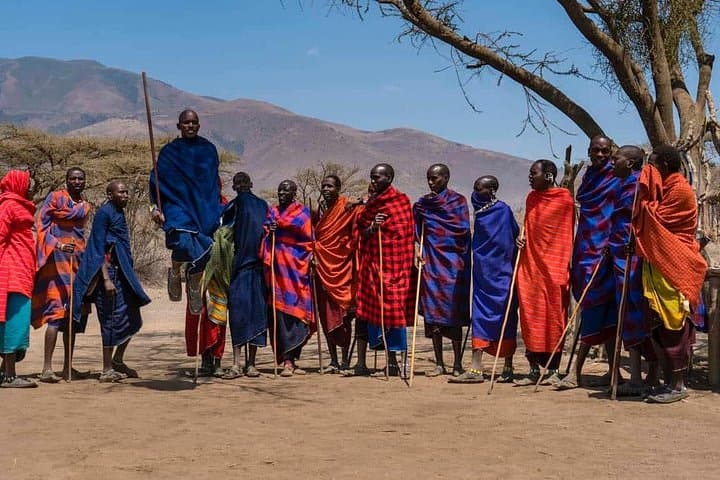
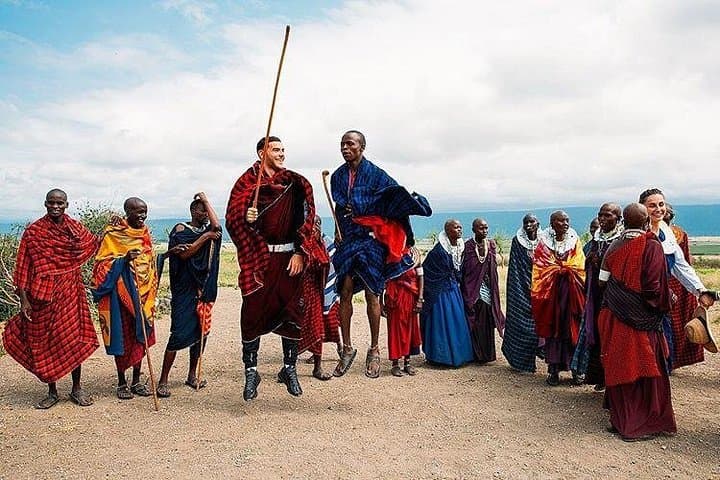
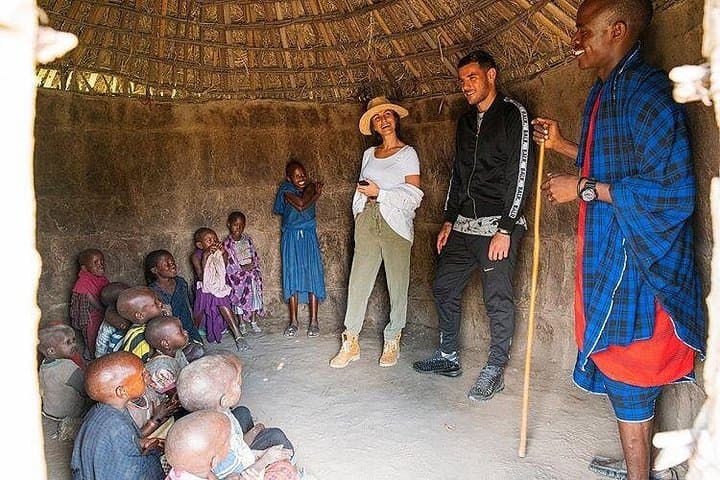

You step off the car beneath Arusha’s clock tower and walk into a grid of canvas roofs and color—beadwork gleams under the sun, carved wood cools in the shade, and vendors greet visitors with cheerful calls that include the familiar “mzungu.” The market’s rhythm is brisk: baskets are offered to carry finds, hands point to price tiers, and the hum of haggling sets the pace.
You step off the car beneath Arusha’s clock tower and walk into a grid of canvas roofs and color—beadwork gleams under the sun, carved wood cools in the shade, and vendors greet visitors with cheerful calls that include the familiar “mzungu.” The market’s rhythm is brisk: baskets are offered to carry finds, hands point to price tiers, and the hum of haggling sets the pace.
The Arusha Maasai Market is less an ethnic enclave than a public marketplace shaped by decades of interregional trade. While Maasai-style beadwork and shukas are prominent, many sellers come from other Tanzanian communities, creating a practical mix of crafts, textiles, and tourist goods. Geologically, Arusha sits at the foot of the Meru and Kilimanjaro volcanic systems, and local woods and stones used in carving reflect that volcanic landscape.
Cultural etiquette here is direct: touch is usually permitted, smiling and a firm but polite negotiation works best, and asking about origin honors artisans. Practicalities matter—cash in Tanzanian shillings is king, small denominations speed transactions, and genuine Tanzanite or ivory should be avoided unless accompanied by clear provenance and legal paperwork.
Plan for 2–6 hours depending on how deep you dive; mornings are cooler and less crowded. Wear comfortable shoes for uneven walkways, bring a hat and water, and keep valuables secure. If mobility is a concern, ramps and accessible transport are available, but stalls and narrow alleys can still be tight. Treat purchases as direct support to local makers—ask where pieces were made and consider buying fewer, higher-quality items.
