THE ADVENTURE COLLECTIVE® · Independent discovery and booking for outdoor travel

SFMOMA’s expanded galleries and city-view terraces make it a must-see for modern art fans visiting downtown San Francisco. This practical guide covers what to expect — from ticket redemption to timing, accessibility and exhibition notes.
SFMOMA’s expanded galleries and city-view terraces make it a must-see for modern art fans visiting downtown San Francisco. This practical guide covers what to expect — from ticket redemption to timing, accessibility and exhibition notes.
You step off the street into light filtered through glass and concrete — terraces open to the city, a living wall of plants climbing an interior façade, and staircases that rearrange sightlines like a gallery in motion. From Union Square it’s an easy walk; once inside the museum’s floors rise around you, each level offering a different rhythm of painting, sculpture, photography and media art.
Verified experiences and guided adventures in the surrounding area.
Operated by San Francisco Museum of Modern Art (SFMOMA) · San Francisco, California
You step off the street into light filtered through glass and concrete — terraces open to the city, a living wall of plants climbing an interior façade, and staircases that rearrange sightlines like a gallery in motion. From Union Square it’s an easy walk; once inside the museum’s floors rise around you, each level offering a different rhythm of painting, sculpture, photography and media art.
SFMOMA opened in 1935 and, after a major expansion completed in 2016, now displays one of the largest modern and contemporary collections in the United States — more than 33,000 works across multiple disciplines. The Snøhetta-designed expansion extended galleries and added city-view terraces and public spaces; visitors encounter both museum history and the ongoing conversations of contemporary art.
Culture here is civic and immediate: rotating special exhibitions sit beside California modernism, international photography and design objects. The museum’s Roman steps and sculptural staircases create informal gathering spots; outside, Yerba Buena and the Moscone Center mark SFMOMA’s place in downtown San Francisco’s cultural corridor.
Practical guidance: allow 1–3 hours to move slowly through the permanent collection and any temporary exhibits you booked. Redeem your voucher at the ticket desk on the 2nd floor; note that some special exhibitions require an extra surcharge. Photography without flash is usually permitted in permanent galleries, but check signage. The museum is wheelchair and stroller accessible, near public transit, and offers limited bicycle parking. For a calmer visit, arrive early on weekdays or mid-afternoon later in the week. Bring a water bottle, dress in layers for indoor/outdoor terraces, and leave large backpacks at your hotel — that keeps lines short and the art easy to enjoy.
Yes—purchase a mobile ticket ahead of time to ensure entry, especially on weekends and for popular temporary exhibitions.
Not always; some special or surcharged exhibitions require an additional ticket beyond general admission.
Yes—the museum is wheelchair and stroller accessible, with accessible surfaces and services; redeem vouchers at the 2nd-floor ticket desk.
Guests 18 and younger are free but still require an entry ticket, so reserve or claim their tickets in advance.
San Francisco Museum of Modern Art (SFMOMA) operates guided outdoor trips and adventures with an emphasis on safety, stewardship, and memorable experiences.
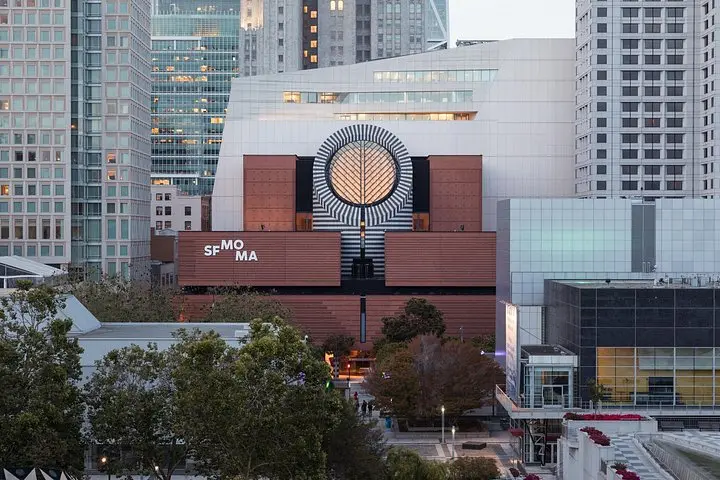
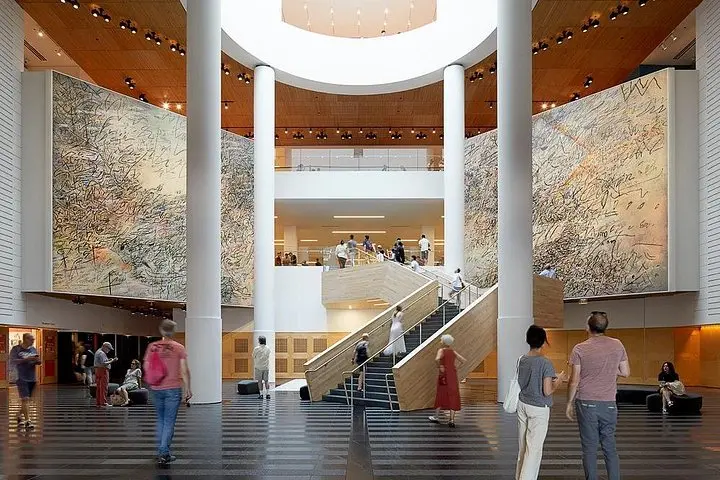
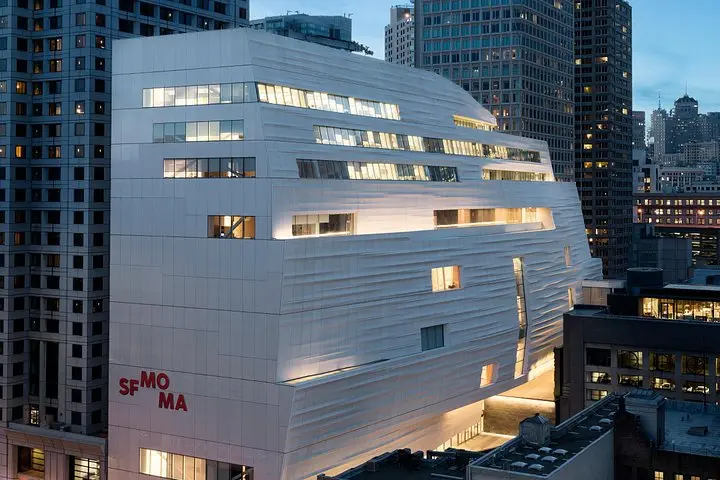
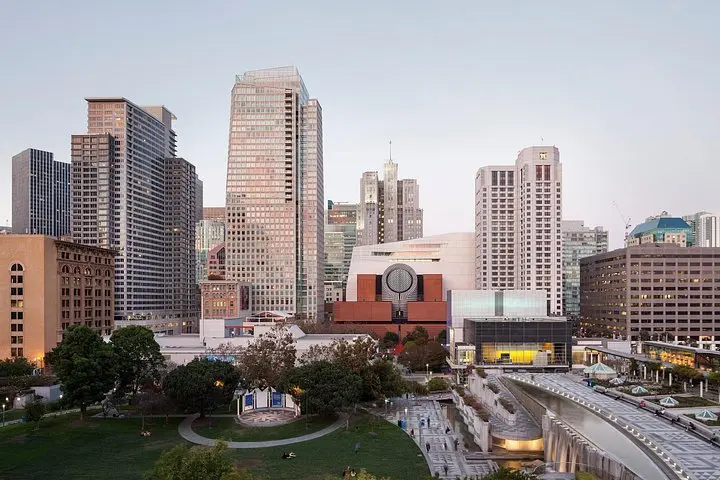
You step off the street into light filtered through glass and concrete — terraces open to the city, a living wall of plants climbing an interior façade, and staircases that rearrange sightlines like a gallery in motion. From Union Square it’s an easy walk; once inside the museum’s floors rise around you, each level offering a different rhythm of painting, sculpture, photography and media art.
You step off the street into light filtered through glass and concrete — terraces open to the city, a living wall of plants climbing an interior façade, and staircases that rearrange sightlines like a gallery in motion. From Union Square it’s an easy walk; once inside the museum’s floors rise around you, each level offering a different rhythm of painting, sculpture, photography and media art.
SFMOMA opened in 1935 and, after a major expansion completed in 2016, now displays one of the largest modern and contemporary collections in the United States — more than 33,000 works across multiple disciplines. The Snøhetta-designed expansion extended galleries and added city-view terraces and public spaces; visitors encounter both museum history and the ongoing conversations of contemporary art.
Culture here is civic and immediate: rotating special exhibitions sit beside California modernism, international photography and design objects. The museum’s Roman steps and sculptural staircases create informal gathering spots; outside, Yerba Buena and the Moscone Center mark SFMOMA’s place in downtown San Francisco’s cultural corridor.
Practical guidance: allow 1–3 hours to move slowly through the permanent collection and any temporary exhibits you booked. Redeem your voucher at the ticket desk on the 2nd floor; note that some special exhibitions require an extra surcharge. Photography without flash is usually permitted in permanent galleries, but check signage. The museum is wheelchair and stroller accessible, near public transit, and offers limited bicycle parking. For a calmer visit, arrive early on weekdays or mid-afternoon later in the week. Bring a water bottle, dress in layers for indoor/outdoor terraces, and leave large backpacks at your hotel — that keeps lines short and the art easy to enjoy.