THE ADVENTURE COLLECTIVE® · Independent discovery and booking for outdoor travel

Step into a modern, technology-driven space beside Mount Hira that traces the Qur’an’s manuscript history, preservation, and cultural impact. This guided self-paced visit is focused, accessible, and designed for visitors seeking deeper context to Makkah’s sacred landscape.
Step into a modern, technology-driven space beside Mount Hira that traces the Qur’an’s manuscript history, preservation, and cultural impact. This guided self-paced visit is focused, accessible, and designed for visitors seeking deeper context to Makkah’s sacred landscape.
You arrive beneath the low, ochre slopes of Mount Hira and the museum’s glass planes reflect the desert glare—an intentional contrast between a modern space and a landscape that shaped Islamic history.
Verified experiences and guided adventures in the surrounding area.
Operated by Seyaha · Makkah, Makkah Province
You arrive beneath the low, ochre slopes of Mount Hira and the museum’s glass planes reflect the desert glare—an intentional contrast between a modern space and a landscape that shaped Islamic history.
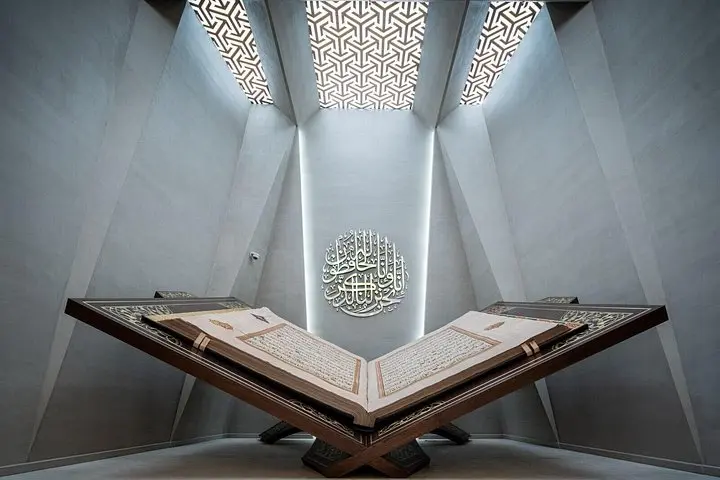
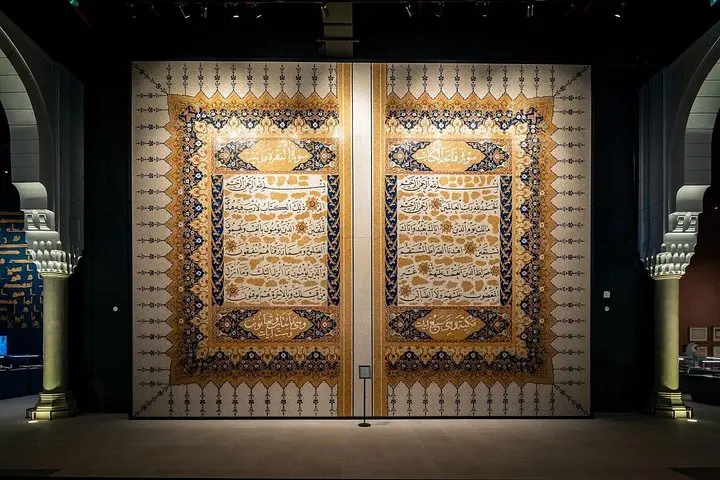
The Holy Qur’an Museum occupies a focused footprint in the Hira Cultural District, created to present the text’s history through immersive halls and multimedia displays. Exhibits range from rare manuscripts and calligraphic artifacts to projected timelines that trace the Qur’an’s compilation and its role across centuries of scholarship and daily life.
Geologically, the museum sits at the edge of the Hijaz escarpment where volcanic and sedimentary rock meet; culturally, it reads as a contemporary node in a long chain of faith sites clustered around Jabal al-Nour, where tradition holds the first revelations occurred. The building’s layout guides visitors through chronological galleries, thematic rooms on preservation and translation, and interactive stations that allow non-specialists to explore textual variants and script evolution.
Practical guidance: plan 60–120 minutes, bring identification and your mobile ticket, and respect the site’s access rules—entry is limited to Muslims. The route through the museum is accessible and paced; benches and climate control make it comfortable during Makkah’s heat. Audio and language options may be limited, so check availability before arrival.
Visitors leave with a clearer sense of the Qur’an’s manuscript traditions, conservation challenges, and the ways modern interpretation meets historical transmission. For travelers seeking context to the surrounding sacred geography, the museum provides a concise, technology-forward primer that complements a visit to Mount Hira and the broader holy sites of Makkah.
Entry is limited to Muslims; visitors should carry identification that matches booking details.
Most visitors spend 60–120 minutes exploring exhibits, depending on interest in detailed displays and multimedia stations.
Yes — the museum reports full wheelchair accessibility, with accessible surfaces and routes through exhibit halls.
All sales are final per the ticket policy; cancellations and refunds are not available.
Seyaha operates guided outdoor trips and adventures with an emphasis on safety, stewardship, and memorable experiences.
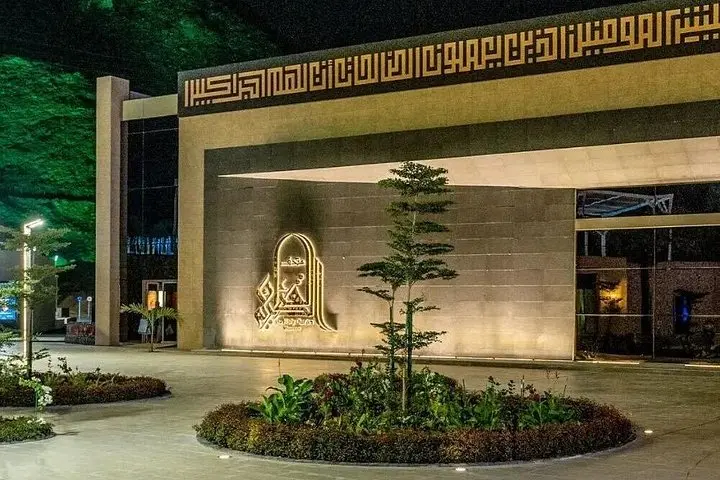
You arrive beneath the low, ochre slopes of Mount Hira and the museum’s glass planes reflect the desert glare—an intentional contrast between a modern space and a landscape that shaped Islamic history.
You arrive beneath the low, ochre slopes of Mount Hira and the museum’s glass planes reflect the desert glare—an intentional contrast between a modern space and a landscape that shaped Islamic history.
The Holy Qur’an Museum occupies a focused footprint in the Hira Cultural District, created to present the text’s history through immersive halls and multimedia displays. Exhibits range from rare manuscripts and calligraphic artifacts to projected timelines that trace the Qur’an’s compilation and its role across centuries of scholarship and daily life.
Geologically, the museum sits at the edge of the Hijaz escarpment where volcanic and sedimentary rock meet; culturally, it reads as a contemporary node in a long chain of faith sites clustered around Jabal al-Nour, where tradition holds the first revelations occurred. The building’s layout guides visitors through chronological galleries, thematic rooms on preservation and translation, and interactive stations that allow non-specialists to explore textual variants and script evolution.
Practical guidance: plan 60–120 minutes, bring identification and your mobile ticket, and respect the site’s access rules—entry is limited to Muslims. The route through the museum is accessible and paced; benches and climate control make it comfortable during Makkah’s heat. Audio and language options may be limited, so check availability before arrival.
Visitors leave with a clearer sense of the Qur’an’s manuscript traditions, conservation challenges, and the ways modern interpretation meets historical transmission. For travelers seeking context to the surrounding sacred geography, the museum provides a concise, technology-forward primer that complements a visit to Mount Hira and the broader holy sites of Makkah.