THE ADVENTURE COLLECTIVE® · Independent discovery and booking for outdoor travel

Explore a preserved rubber camp near Manaus and follow the old extraction trail from tapping to smoking racks. This three-hour tour pairs cultural history with a short jungle walk and an optional stop at Tupé Beach.
Explore a preserved rubber camp near Manaus and follow the old extraction trail from tapping to smoking racks. This three-hour tour pairs cultural history with a short jungle walk and an optional stop at Tupé Beach.
You step off the launch and the river breathes around you — Rio Negro pushing dark, warm water past the hull as the city skyline slips behind. The Rubber Museum tour starts in Manaus then moves upriver to a preserved seringal (rubber extraction camp), where shingled worker houses, a small chapel and the “large tent” of tools keep a moment of the rubber boom in place.
Verified experiences and guided adventures in the surrounding area.
Operated by Amazing Tours Agency · Manaus, Amazonas
You step off the launch and the river breathes around you — Rio Negro pushing dark, warm water past the hull as the city skyline slips behind. The Rubber Museum tour starts in Manaus then moves upriver to a preserved seringal (rubber extraction camp), where shingled worker houses, a small chapel and the “large tent” of tools keep a moment of the rubber boom in place.
The region’s story is industrial and human: late 19th–early 20th century demand made Manaus a boomtown and exported latex around the globe. Geologically, the Rio Negro valley is ancient alluvium; the blackwater river stains driftwood and leaves, and the forest clings to nutrient-poor soils that shaped extractive life. Culture here mixes caboclo river traditions and remnants of estate-era labor: the camp exhibits clarify how latex was tapped, smoked into balls and shipped.
On the short jungle walk you’ll see Hevea brasiliensis trunks and watch a demonstration of tapping — the trees themselves seeming to offer their sap with quiet insistence. The guide explains the smoking racks and points out where families lived, making the human scale of the boom obvious.
Practical guide: the tour is about three hours with hotel pickup, light walking on dirt trails and an optional quick stop at Tupé Beach where a swim may be possible when conditions allow. Wear closed-toe shoes, insect repellent and sun protection. Bring small bills for snacks and respect local rules in preserved spots — minimize plastic and follow your guide’s route to reduce erosion and disturbance.
Yes; the tour includes hotel pickup and drop-off in Manaus—confirm your pickup point when booking.
Occasionally; guides will advise based on river conditions and currents—only swim when they indicate it is safe.
Children are allowed but must be accompanied by an adult; strollers are not ideal on dirt trails and uneven surfaces.
Photography is generally permitted but respect any signs or guide instructions about restricted areas or sensitive displays.
Amazing Tours Agency operates guided outdoor trips and adventures with an emphasis on safety, stewardship, and memorable experiences.
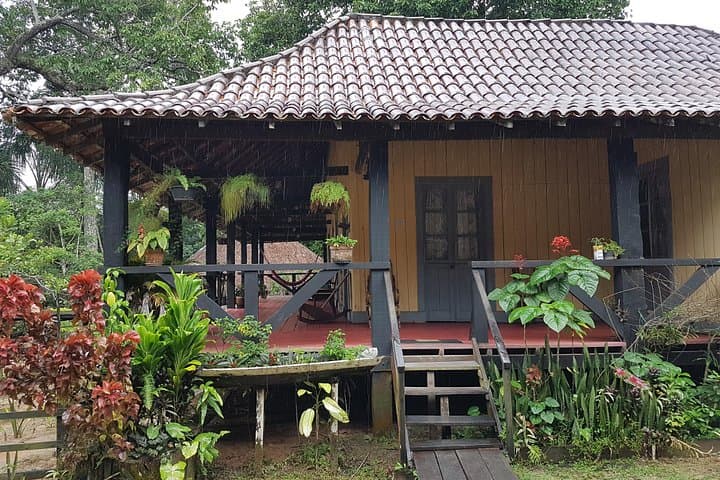
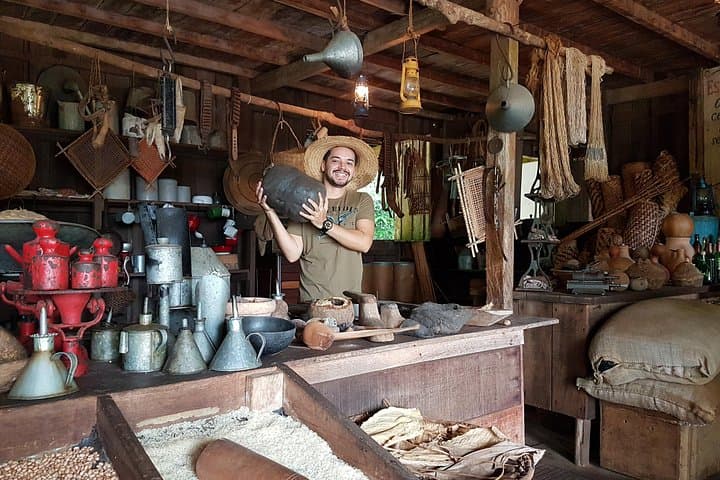
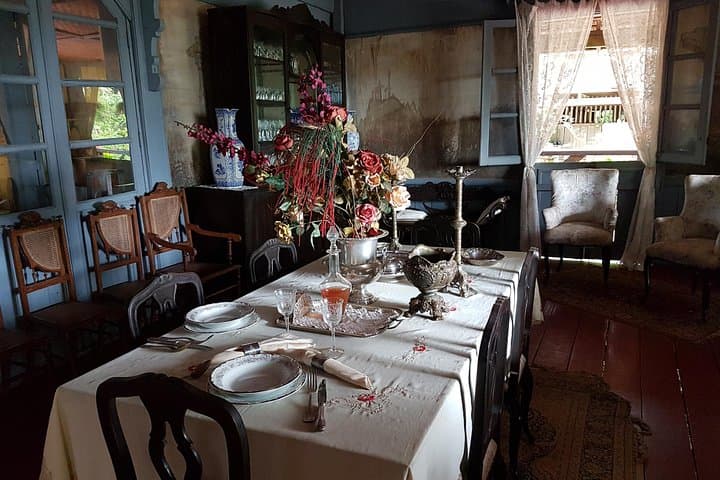
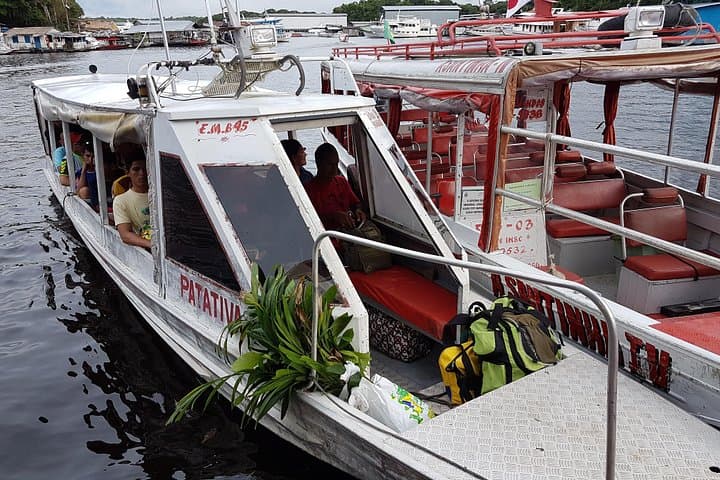
You step off the launch and the river breathes around you — Rio Negro pushing dark, warm water past the hull as the city skyline slips behind. The Rubber Museum tour starts in Manaus then moves upriver to a preserved seringal (rubber extraction camp), where shingled worker houses, a small chapel and the “large tent” of tools keep a moment of the rubber boom in place.
You step off the launch and the river breathes around you — Rio Negro pushing dark, warm water past the hull as the city skyline slips behind. The Rubber Museum tour starts in Manaus then moves upriver to a preserved seringal (rubber extraction camp), where shingled worker houses, a small chapel and the “large tent” of tools keep a moment of the rubber boom in place.
The region’s story is industrial and human: late 19th–early 20th century demand made Manaus a boomtown and exported latex around the globe. Geologically, the Rio Negro valley is ancient alluvium; the blackwater river stains driftwood and leaves, and the forest clings to nutrient-poor soils that shaped extractive life. Culture here mixes caboclo river traditions and remnants of estate-era labor: the camp exhibits clarify how latex was tapped, smoked into balls and shipped.
On the short jungle walk you’ll see Hevea brasiliensis trunks and watch a demonstration of tapping — the trees themselves seeming to offer their sap with quiet insistence. The guide explains the smoking racks and points out where families lived, making the human scale of the boom obvious.
Practical guide: the tour is about three hours with hotel pickup, light walking on dirt trails and an optional quick stop at Tupé Beach where a swim may be possible when conditions allow. Wear closed-toe shoes, insect repellent and sun protection. Bring small bills for snacks and respect local rules in preserved spots — minimize plastic and follow your guide’s route to reduce erosion and disturbance.