THE ADVENTURE COLLECTIVE® · Independent discovery and booking for outdoor travel

Board a short boat from Pearl Harbor’s Visitor Center to stand above the sunken USS Arizona and trace the events of December 7, 1941. This practical guide covers history, logistics, accessibility, and what to expect during a 4–5 hour tour from Waikiki.
Board a short boat from Pearl Harbor’s Visitor Center to stand above the sunken USS Arizona and trace the events of December 7, 1941. This practical guide covers history, logistics, accessibility, and what to expect during a 4–5 hour tour from Waikiki.
You step off the air-conditioned shuttle onto a broad, sunlit plaza and feel the harbor’s water pull at the edges of your hearing — a flat, reflective plane that remembers the morning of December 7, 1941.
Verified experiences and guided adventures in the surrounding area.
Operated by Pearl Harbor Tours · Honolulu, Hawaii
You step off the air-conditioned shuttle onto a broad, sunlit plaza and feel the harbor’s water pull at the edges of your hearing — a flat, reflective plane that remembers the morning of December 7, 1941.
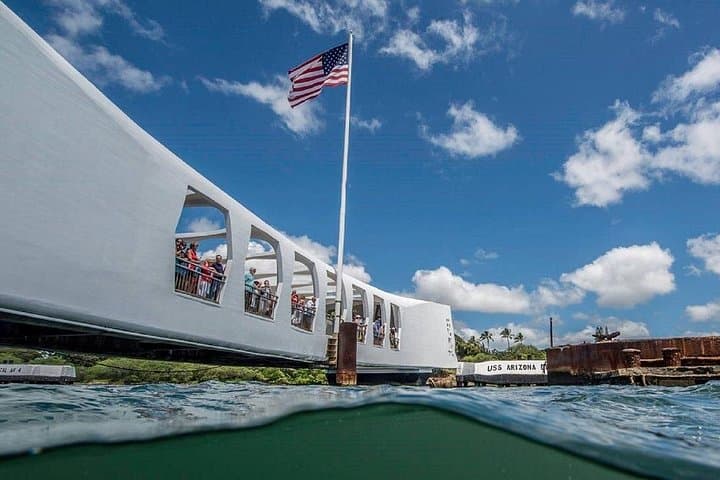
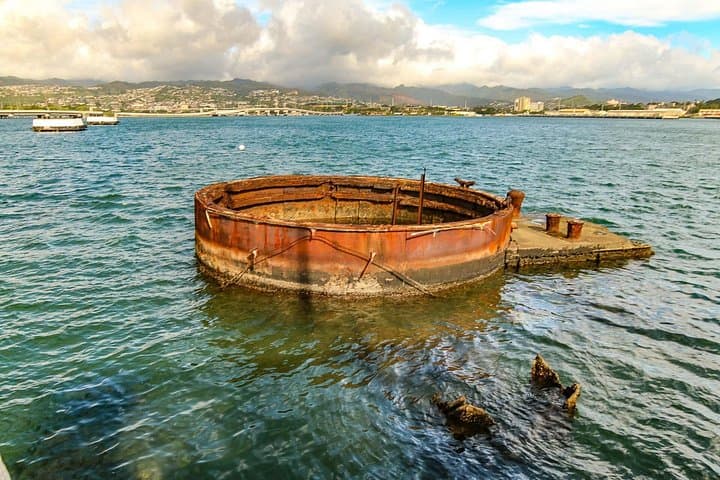
The short boat ride to the USS Arizona Memorial is quiet by design; the memorial floats above sunken hull and names etched in stone. The Visitor Center galleries — "Road to War" and "Attack" — ground the visit with maps, oral histories, and artifacts. Geologically, Pearl Harbor occupies a drowned estuary along Oʻahu’s south shore, framed by volcanic tuff cones like Punchbowl; the harbor’s calm waters and coral fringing reefs helped shape the naval facilities sited here.
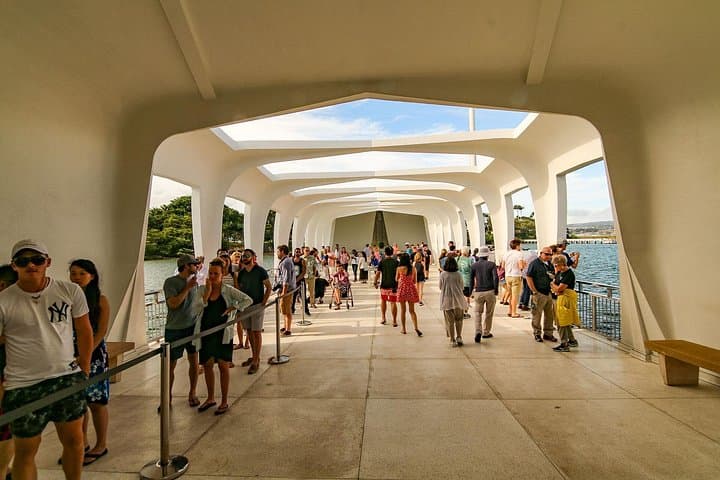
Culturally, the site is both national shrine and community place — expect local veterans, school groups, and visitors observing rituals of remembrance. Guides escort groups into the Visitor Center, briefing attendees on sequence and etiquette before the boat boarding.
Practical guidance: plan for a 4–5 hour round trip from Waikiki including pickup and exhibits; water, sun protection, and comfortable shoes are essential. Security screenings and timed boat reservations are enforced — tickets are guaranteed with many organized tours but arrive early for gallery time. Photography is allowed on the memorial but remain respectful and follow staff directions. Accessibility is good: the memorial and Visitor Center have accommodations for mobility devices, and staff will assist where needed.
The visit balances quiet reflection with clear historical context — an accessible, solemn excursion that rewards preparation and patience.
Yes — the boat ride to the memorial requires a timed ticket; many tours secure these in advance and include Visitor Center admission.
Yes — the Visitor Center and memorial have accessible routes and staff can assist with boarding and transfers as needed.
Photography is permitted, but visitors should remain respectful and follow staff directions, especially during ceremonies or moments of silence.
Expect about 4–5 hours from Waikiki with pickup, the Visitor Center galleries (about 60–90 minutes), and the boat shuttle to the memorial.
Pearl Harbor Tours operates guided outdoor trips and adventures with an emphasis on safety, stewardship, and memorable experiences.
You step off the air-conditioned shuttle onto a broad, sunlit plaza and feel the harbor’s water pull at the edges of your hearing — a flat, reflective plane that remembers the morning of December 7, 1941.
You step off the air-conditioned shuttle onto a broad, sunlit plaza and feel the harbor’s water pull at the edges of your hearing — a flat, reflective plane that remembers the morning of December 7, 1941.
The short boat ride to the USS Arizona Memorial is quiet by design; the memorial floats above sunken hull and names etched in stone. The Visitor Center galleries — "Road to War" and "Attack" — ground the visit with maps, oral histories, and artifacts. Geologically, Pearl Harbor occupies a drowned estuary along Oʻahu’s south shore, framed by volcanic tuff cones like Punchbowl; the harbor’s calm waters and coral fringing reefs helped shape the naval facilities sited here.
Culturally, the site is both national shrine and community place — expect local veterans, school groups, and visitors observing rituals of remembrance. Guides escort groups into the Visitor Center, briefing attendees on sequence and etiquette before the boat boarding.
Practical guidance: plan for a 4–5 hour round trip from Waikiki including pickup and exhibits; water, sun protection, and comfortable shoes are essential. Security screenings and timed boat reservations are enforced — tickets are guaranteed with many organized tours but arrive early for gallery time. Photography is allowed on the memorial but remain respectful and follow staff directions. Accessibility is good: the memorial and Visitor Center have accommodations for mobility devices, and staff will assist where needed.
The visit balances quiet reflection with clear historical context — an accessible, solemn excursion that rewards preparation and patience.