THE ADVENTURE COLLECTIVE® · Independent discovery and booking for outdoor travel

Float the Vistula for sweeping city views, then descend centuries into the Wieliczka Salt Mine to see salt-carved chapels and brine lakes. This combined cruise-and-mine day pairs relaxed river scenery with vigorous stair-climbing underground.
Float the Vistula for sweeping city views, then descend centuries into the Wieliczka Salt Mine to see salt-carved chapels and brine lakes. This combined cruise-and-mine day pairs relaxed river scenery with vigorous stair-climbing underground.
The Vistula pushes past Wawel and the baroque church as the catamaran slides into its current, windows framing castle silhouettes and riverside boulevards. On deck, the river pulls your attention to cranes, herons and the city’s layered skyline; below, the leather sofas and heated cabin make for an unhurried introduction to Kraków before the bus carries you out to Wieliczka.
Verified experiences and guided adventures in the surrounding area.
Operated by Intercrac Sp. z o.o. · Kraków, Lesser Poland Voivodeship
The Vistula pushes past Wawel and the baroque church as the catamaran slides into its current, windows framing castle silhouettes and riverside boulevards. On deck, the river pulls your attention to cranes, herons and the city’s layered skyline; below, the leather sofas and heated cabin make for an unhurried introduction to Kraków before the bus carries you out to Wieliczka.
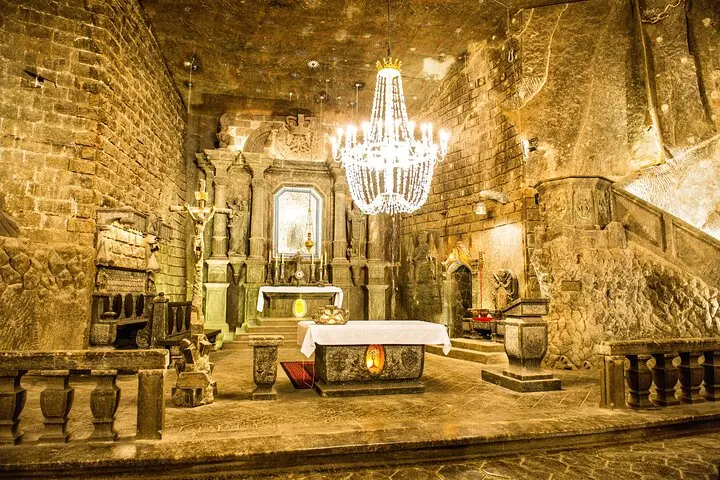
Wieliczka’s salt runs deeper than first impressions: mining here dates back to medieval times and shaped local wealth and ritual. Geologically, the mine excavates Permian and Triassic evaporites that left thick salt beds; today the tourist route follows roughly 3 km through over 20 chambers carved from salt, past brine lakes and mining relics. The high point is the Church of St. Kinga — an entire chapel sculpted from salt with chandeliers, altarpieces and bas-reliefs.
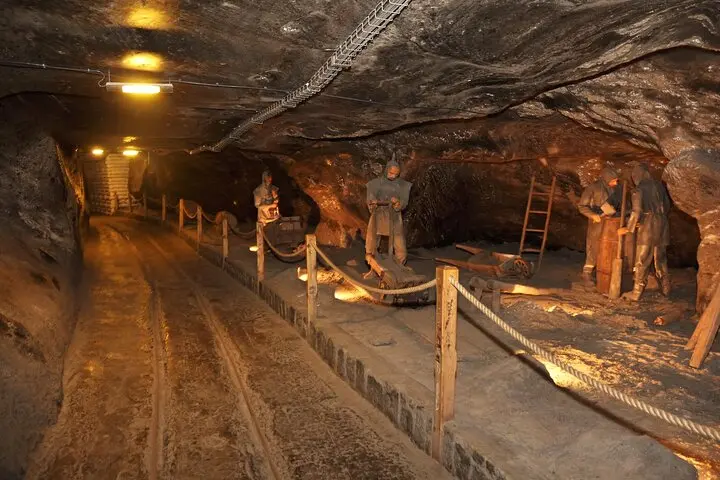
Culturally the mine blends industry, faith and community memory: miners’ carvings and votive offerings line passages, reflecting centuries of ritual and craft. The mine’s consistent 14–16°C microclimate also made parts of it a sanatorium in the 20th century.
Practical guidance: plan for a 5–6 hour outing including a ~1 hour river cruise and about 2–3 hours underground plus transfers. Wear sturdy shoes and a warm layer for the mine; expect stairs and uneven steps on the tourist route. Bring water, but note limited facilities underground. Photography is allowed in many chambers but follow your guide’s instructions. If you have cardiovascular or mobility concerns, discuss them before booking — the tour requires moderate fitness and frequent stair-climbing.
The tourist route through Wieliczka runs about 3 kilometers and typically takes around 2–3 hours including stops and the guided commentary.
The standard route includes many stairs and uneven surfaces; travelers with limited mobility should contact the operator before booking to discuss accessibility options.
Temperatures are steady around 14–16°C year-round — bring a warm layer even in summer.
You can find cafés along the Vistula and near the Wieliczka entrance, but the guided underground route has limited facilities, so bring water and snacks for surface time.
Intercrac Sp. z o.o. operates guided outdoor trips and adventures with an emphasis on safety, stewardship, and memorable experiences.
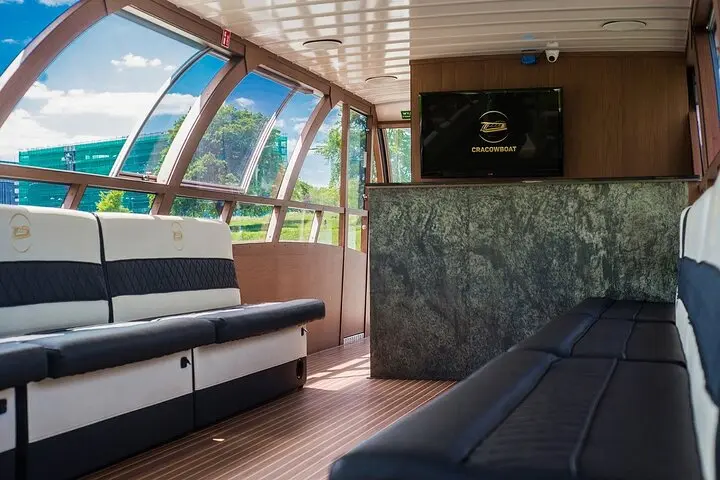
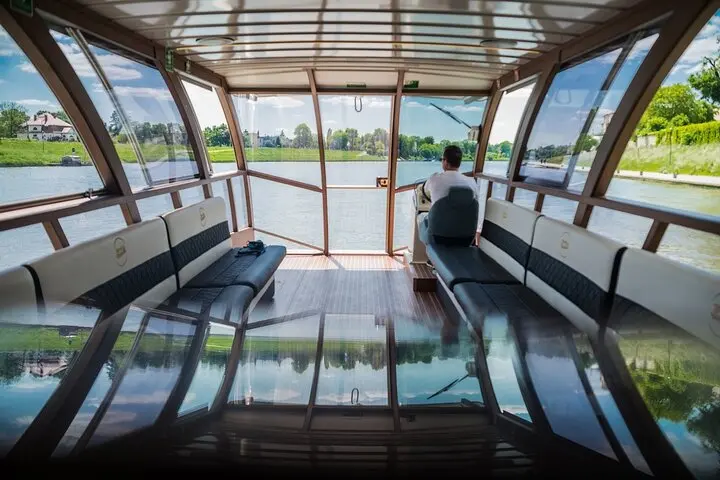
The Vistula pushes past Wawel and the baroque church as the catamaran slides into its current, windows framing castle silhouettes and riverside boulevards. On deck, the river pulls your attention to cranes, herons and the city’s layered skyline; below, the leather sofas and heated cabin make for an unhurried introduction to Kraków before the bus carries you out to Wieliczka.
The Vistula pushes past Wawel and the baroque church as the catamaran slides into its current, windows framing castle silhouettes and riverside boulevards. On deck, the river pulls your attention to cranes, herons and the city’s layered skyline; below, the leather sofas and heated cabin make for an unhurried introduction to Kraków before the bus carries you out to Wieliczka.
Wieliczka’s salt runs deeper than first impressions: mining here dates back to medieval times and shaped local wealth and ritual. Geologically, the mine excavates Permian and Triassic evaporites that left thick salt beds; today the tourist route follows roughly 3 km through over 20 chambers carved from salt, past brine lakes and mining relics. The high point is the Church of St. Kinga — an entire chapel sculpted from salt with chandeliers, altarpieces and bas-reliefs.
Culturally the mine blends industry, faith and community memory: miners’ carvings and votive offerings line passages, reflecting centuries of ritual and craft. The mine’s consistent 14–16°C microclimate also made parts of it a sanatorium in the 20th century.
Practical guidance: plan for a 5–6 hour outing including a ~1 hour river cruise and about 2–3 hours underground plus transfers. Wear sturdy shoes and a warm layer for the mine; expect stairs and uneven steps on the tourist route. Bring water, but note limited facilities underground. Photography is allowed in many chambers but follow your guide’s instructions. If you have cardiovascular or mobility concerns, discuss them before booking — the tour requires moderate fitness and frequent stair-climbing.