THE ADVENTURE COLLECTIVE® · Independent discovery and booking for outdoor travel

Walk from Sulphur Bay’s hot springs to one of the world’s most accessible active volcanoes. This 3-hour hike blends coastal terrain, fumaroles, and close-up volcanic views with local cultural insight.
Walk from Sulphur Bay’s hot springs to one of the world’s most accessible active volcanoes. This 3-hour hike blends coastal terrain, fumaroles, and close-up volcanic views with local cultural insight.
A raw wind pushes across black scoria as hikers leave Sulphur Bay’s warm springs and step onto trails that lead toward Mount Yasur. Steam hisses from fumaroles beside the path, and the ground underfoot alternates between packed coral soil and loose volcanic gravel; every step feels like a negotiation with the island itself.
Verified experiences and guided adventures in the surrounding area.
Operated by Tanna Volcano Transfers and Tours · Lenakel, Tafea Province
A raw wind pushes across black scoria as hikers leave Sulphur Bay’s warm springs and step onto trails that lead toward Mount Yasur. Steam hisses from fumaroles beside the path, and the ground underfoot alternates between packed coral soil and loose volcanic gravel; every step feels like a negotiation with the island itself.
Yasur is one of the world’s most accessible active volcanoes, been observed by European explorers since the 18th century and long respected in local Ni-Vanuatu kastom. Geologically it’s an andesitic cone with frequent strombolian activity—regular bursts of gas and molten rock that make the crater an alive, noisy landmark. The walk crosses coastal lowland, pockets of endemic shrubs, and open slopes where the scent of sulfur replaces ocean air.
Culturally, Tanna’s communities live closely with the volcano; guides often explain local stories, safety practices, and points where traditional gardens and ceremonial sites sit a short distance from the trail.
Practical guidance: this is a physically demanding 3-hour outing with uneven footing and short steep sections—expect roughly 5–7 km round-trip and about 250–350 m elevation gain depending on the route. Sturdy boots, at least 2–3 liters of water, sun protection, and a windproof layer are essential. Follow your guide’s instructions about crater approach distances; volcanic activity can change quickly and operators maintain clear exclusion zones. Start early for cooler conditions and clearer views; late afternoon can bring wind and poorer visibility. Respect village areas, carry out waste, and keep noise to a minimum—the island’s wildlife and communities rely on low-impact visitors.
Distance varies with current volcanic activity; guides enforce exclusion zones and will position the group where viewing is safe—expect to be kept back from the active crater edge.
Not generally—operators advise the hike for fit adults and older teenagers; steep and unstable sections make it unsuitable for very young children.
Bring water, wear good footwear, follow your guide’s instructions, and avoid loose rocks or fumarole vents; cancelations can occur in bad weather or increased volcanic unrest.
Early morning offers cooler temperatures and clearer air; late afternoon can bring wind, steam, or reduced visibility from cloud and volcanic gases.
Tanna Volcano Transfers and Tours operates guided outdoor trips and adventures with an emphasis on safety, stewardship, and memorable experiences.
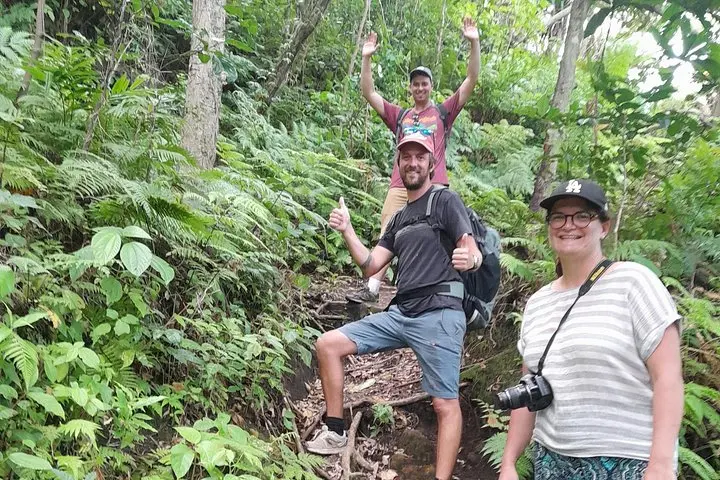
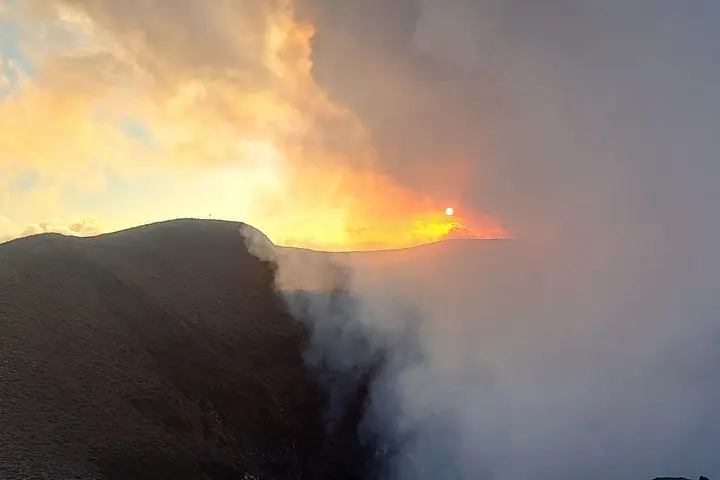
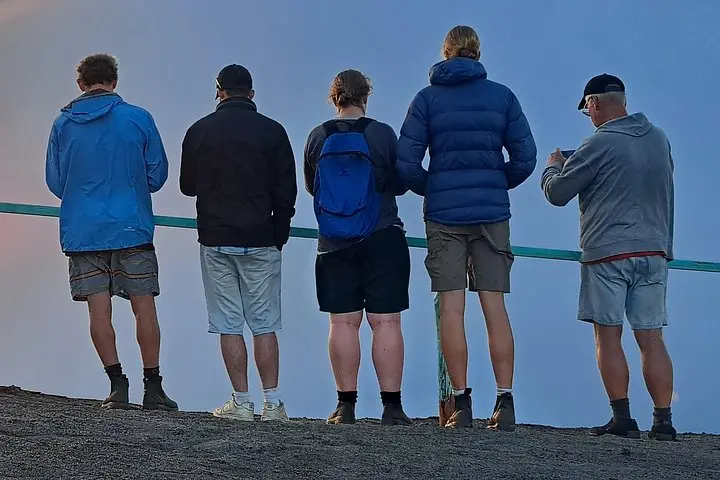
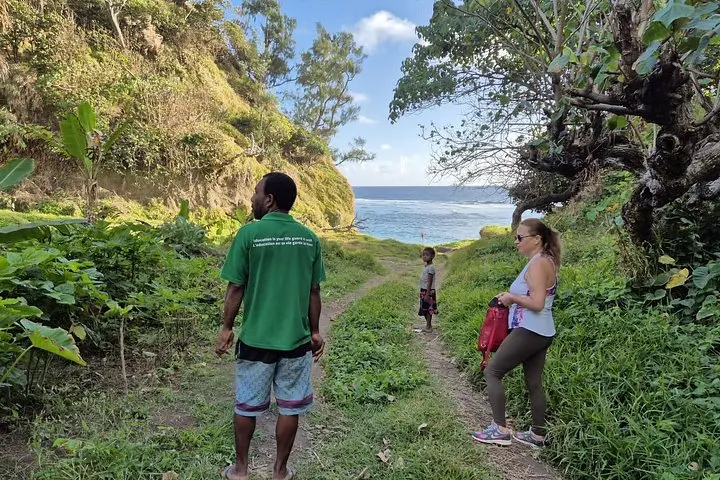
A raw wind pushes across black scoria as hikers leave Sulphur Bay’s warm springs and step onto trails that lead toward Mount Yasur. Steam hisses from fumaroles beside the path, and the ground underfoot alternates between packed coral soil and loose volcanic gravel; every step feels like a negotiation with the island itself.
A raw wind pushes across black scoria as hikers leave Sulphur Bay’s warm springs and step onto trails that lead toward Mount Yasur. Steam hisses from fumaroles beside the path, and the ground underfoot alternates between packed coral soil and loose volcanic gravel; every step feels like a negotiation with the island itself.
Yasur is one of the world’s most accessible active volcanoes, been observed by European explorers since the 18th century and long respected in local Ni-Vanuatu kastom. Geologically it’s an andesitic cone with frequent strombolian activity—regular bursts of gas and molten rock that make the crater an alive, noisy landmark. The walk crosses coastal lowland, pockets of endemic shrubs, and open slopes where the scent of sulfur replaces ocean air.
Culturally, Tanna’s communities live closely with the volcano; guides often explain local stories, safety practices, and points where traditional gardens and ceremonial sites sit a short distance from the trail.
Practical guidance: this is a physically demanding 3-hour outing with uneven footing and short steep sections—expect roughly 5–7 km round-trip and about 250–350 m elevation gain depending on the route. Sturdy boots, at least 2–3 liters of water, sun protection, and a windproof layer are essential. Follow your guide’s instructions about crater approach distances; volcanic activity can change quickly and operators maintain clear exclusion zones. Start early for cooler conditions and clearer views; late afternoon can bring wind and poorer visibility. Respect village areas, carry out waste, and keep noise to a minimum—the island’s wildlife and communities rely on low-impact visitors.